
The Best Time To Visit Antigua
 Daniel Mode
Daniel Mode
Daniel Mode Laura Schulthies
Laura Schulthies
Laura SchulthiesOur comprehensive guide to the best time to visit Antigua explores the weather patterns, tourist flows, special events, and cultural celebrations that define each season. Whether you’re seeking the festive atmosphere of high season, the cultural vibrancy of Carnival, or the peaceful tranquility of low season, understanding Antigua’s annual rhythm will help you choose the perfect time for your visit and make the most of the island’s diverse offerings!
This article contains affiliate links. If you click on our links, we may earn a small commission at no extra cost to you. This helps us continue to offer free travel guides, but does not influence our recommendations in any way. Thanks for supporting independent travel content.
Contents
Antigua in January
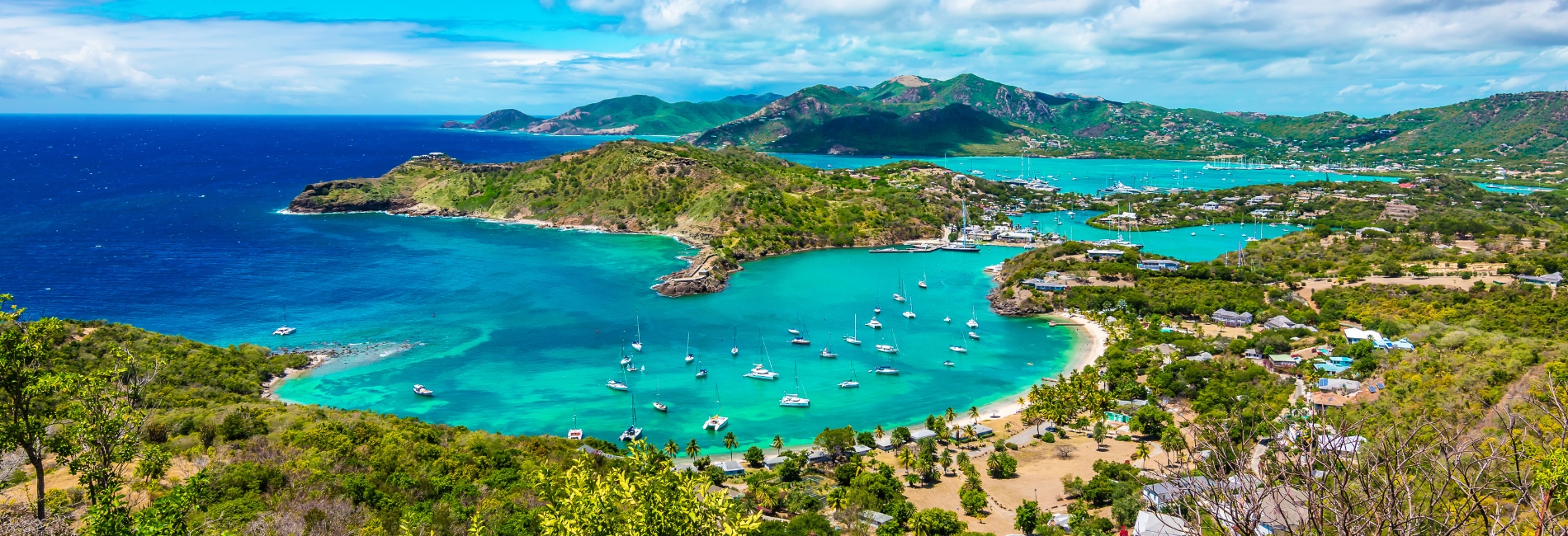
Ah, welcome to Antigua in January – you’ve picked one of the most delightful times to visit our Caribbean paradise! The weather is consistently beautiful during this month, with daytime temperatures averaging a comfortable 25-26°C (77-79°F), though afternoon highs can reach a balmy 28-29°C (82-84°F). The gentle trade winds keep things comfortable throughout the day. The occasional brief shower might pass through, but it typically clears up quickly, leaving behind that fresh tropical scent that makes the island feel so alive.
January falls right in the middle of the peak tourist season, so visitors should book accommodations well in advance. The atmosphere is bustling but not overwhelming – the beaches are comfortably populated and restaurants pleasantly lively, especially around English Harbour and Dickenson Bay. The cruise ships bring in regular waves of visitors, so planning beach days around their schedules can provide a quieter experience.
This month brings some exciting events, including the annual Talisker Whisky Atlantic Challenge arrivals, where visitors can witness brave rowing teams completing their trans-Atlantic journey from the Canary Islands, a grueling 3,000-mile row that takes 35-96 days to complete. The Sunday afternoon steel pan performances at Shirley Heights Lookout are particularly magical in January, with the clear winter sky providing stunning sunset views over English Harbour.
To avoid the crowds, consider exploring the less-visited south coast beaches or heading to Half Moon Bay in the mornings. The water temperature is a pleasant 26°C (79°F), perfect for snorkeling or trying out some water sports.
Enjoy a cruise around Antigua as you sip cocktails on this romantic Antigua Sunset Catamaran Cruise.
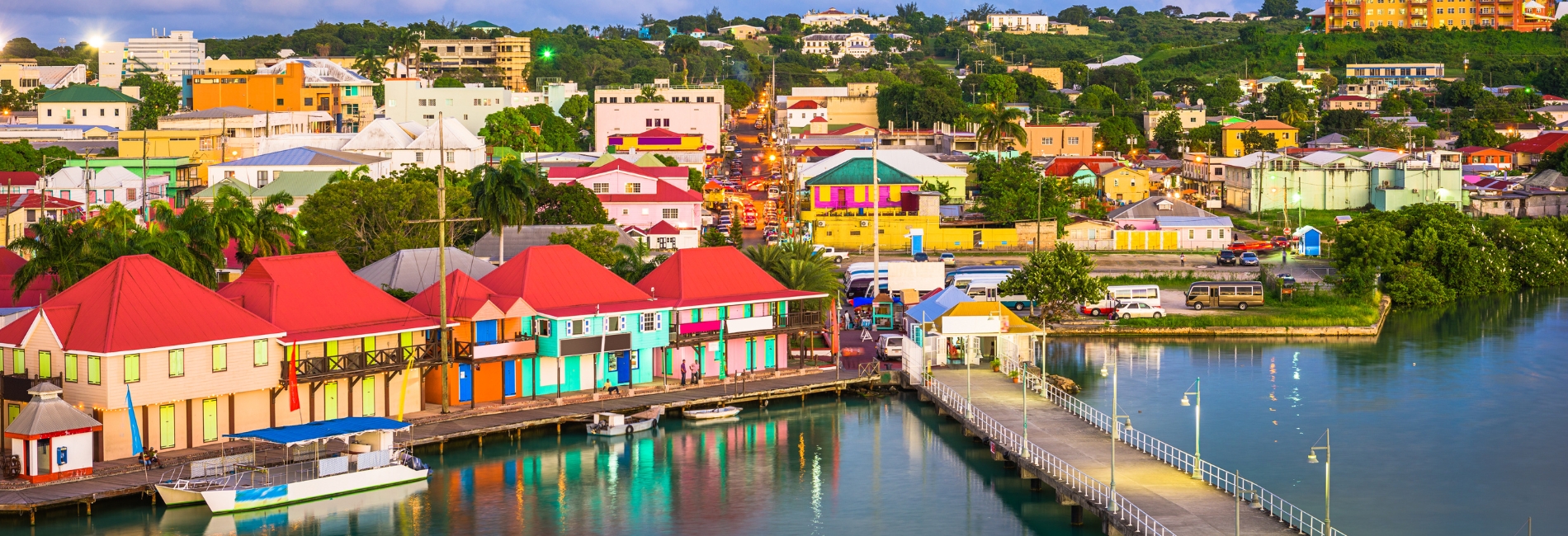
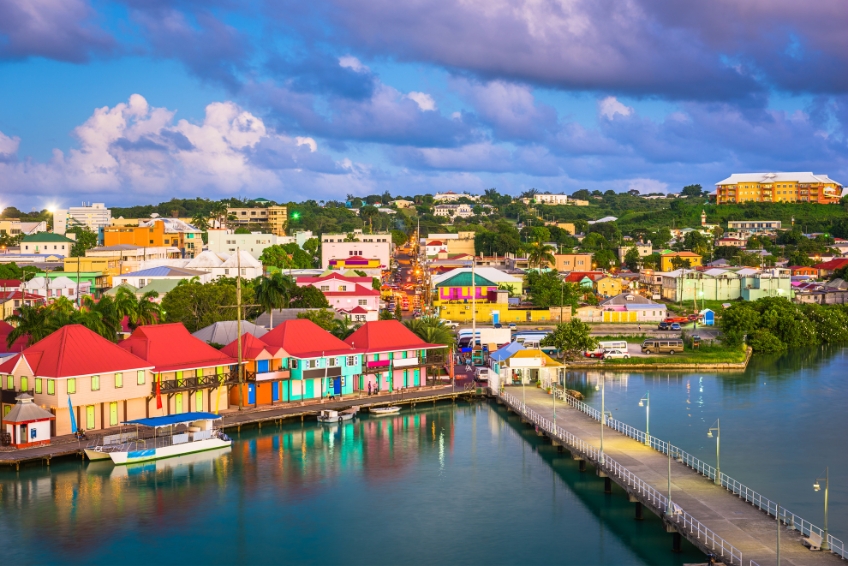
Antigua in February
Welcome to Antigua in February, when the island basks in the heart of its perfect winter season! The weather remains reliably warm and inviting, with average daytime temperatures reaching 25°C (77°F), though afternoon highs can climb to a comfortable 28°C (82°F). February sees even less rainfall than January, making it the driest month of the year, perfect for those seeking guaranteed sunshine. Those cooling trade winds continue their gentle dance across the island, creating ideal conditions for sailing and windsurfing.
February maintains the peak tourist season momentum, though with slightly smaller crowds than January. The island still hums with activity, particularly around popular spots like Jolly Harbour and St. John’s. The weekly arrivals of cruise ships bring rhythmic pulses of visitors, but their movements are predictable and easy to plan around for those seeking more serene experiences.
The month sparkles with cultural events, most notably the vibrant Jolly Harbour Valentine’s Regatta, a celebration of all things sailing and a testament to the spirit of Antigua’s vibrant sailing community. February also holds the annual Wadadli Day celebrations at St John’s Botanical Gardens, showcasing indigenous Antiguan culture with traditional crafts, warri games, local food, and performances from cultural groups like the John Bull dancers and Highlanders. Local fish fries in villages like Urlings and Old Road offer authentic tastes of island life, while the sunset gatherings at Shirley Heights continue to enchant visitors with steel pan music and Caribbean hospitality.
For those seeking tranquility, the lesser-known beaches along the eastern coast, such as Long Bay and Green Island, offer peaceful alternatives to the more popular western shores. The crystalline waters maintain their inviting 26°C (79°F) temperature, perfect for exploring the colorful coral reefs that fringe the island. Early mornings often provide the most serene moments, ideal for birdwatching in the Body Ponds nature reserve or peaceful walks along deserted beaches.

Antigua in March
March in Antigua marks a beautiful transition as the peak winter season begins to soften into spring, while still maintaining the island’s characteristic warmth and charm. The temperatures climb slightly to average around 26°C (79°F), with afternoon highs reaching a pleasant 29°C (84°F), and the trade winds continue their faithful service of keeping the air fresh and pleasant. The rainfall remains minimal, contributing to nearly perfect beach conditions with clear skies and excellent visibility for snorkeling and diving.
Tourism patterns shift noticeably during March, as the winter crowd begins to thin but spring break visitors arrive, particularly in the latter half of the month. This creates an interesting mix of atmospheres – quieter mornings perfect for peaceful beach walks, followed by more lively afternoons and evenings, especially around popular spots like Dickenson Bay and English Harbour.
The month holds special significance in Antigua’s cultural calendar with the celebration of the island’s rich sailing heritage. The Antigua Classic Yacht Regatta preparations begin, bringing an influx of stunning vintage vessels to the harbors. As nature awakens, leatherback sea turtles begin their nesting season on Antigua’s beaches, offering lucky visitors the chance to witness these magnificent creatures during evening beach walks. Local fishing villages like Seatons and Willikies come alive with their traditional boat racing events, offering visitors a glimpse into authentic island sporting culture.
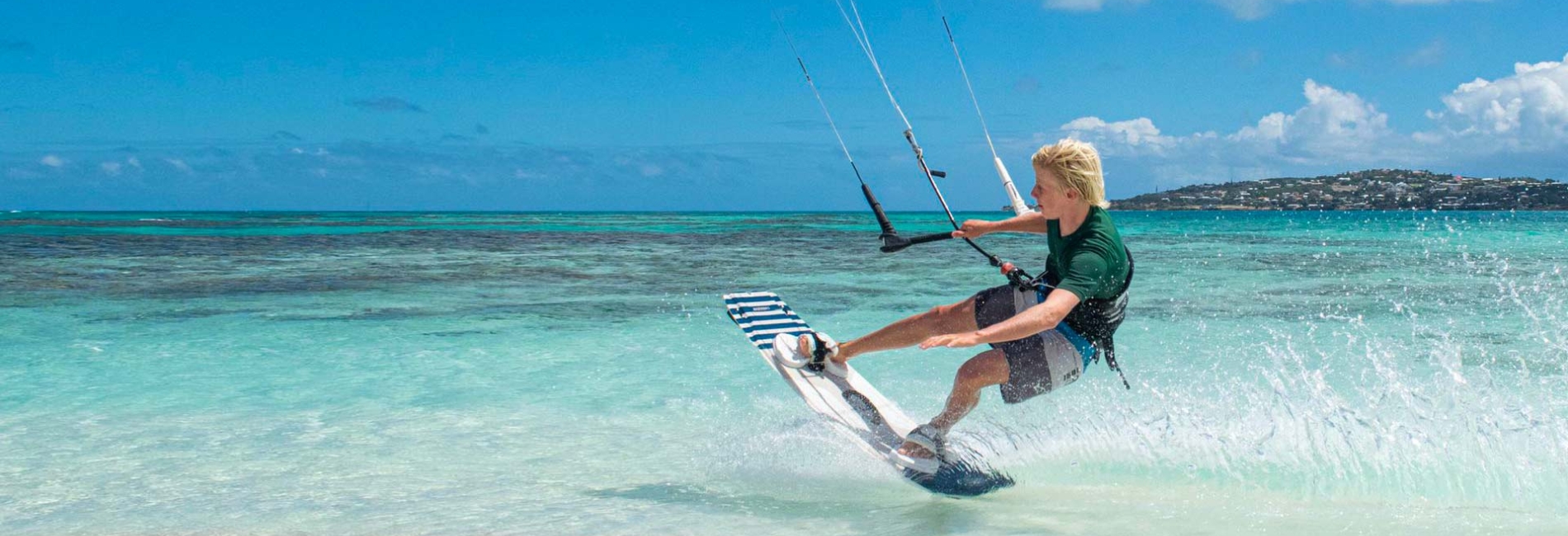
March also brings optimal conditions for water sports enthusiasts. The consistent winds make it an excellent time for kitesurfing off Jabberwock Beach, while the calm mornings at Cades Reef provide exceptional snorkeling opportunities. The sea temperature rises slightly to 27°C (80°F), making longer swimming sessions even more enjoyable.
For those seeking cultural experiences, the weekly markets in St. John’s become particularly vibrant as local farmers bring in their best produce during this fertile period. The sunset viewings at Fort Berkeley offer a less crowded alternative to Shirley Heights, though both locations provide spectacular vistas of the harbor filled with both modern and classic yachts preparing for the upcoming regatta season.
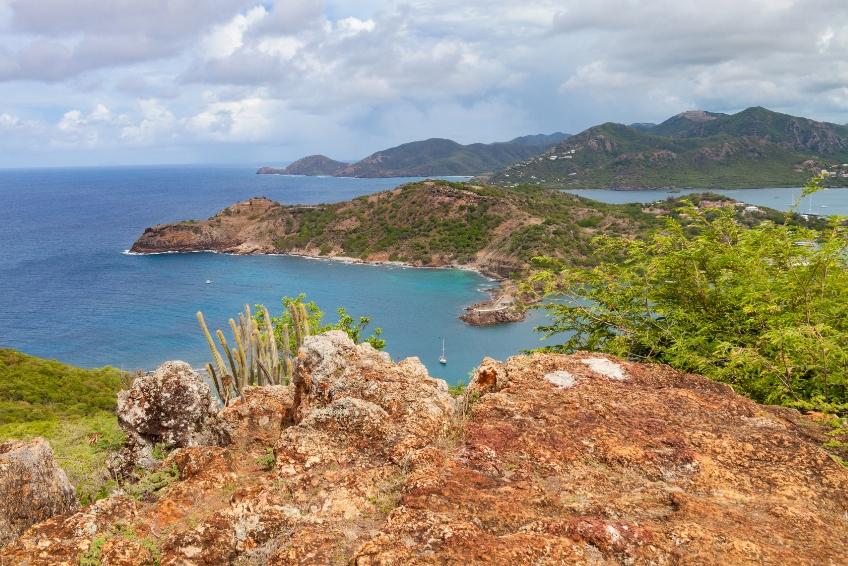
Antigua in April
April in Antigua brings the delightful transition into spring, with average temperatures settling at a balmy 30°C (86°F). The characteristic trade winds grow slightly gentler during this month, though they still provide welcome relief from the warming sun. The island typically experiences brief, refreshing afternoon showers that quickly give way to sunshine, contributing to the lush greenery that begins to emerge across the landscape.
The island’s atmosphere transforms notably in April as the winter crowds disperse and a more relaxed vibe takes hold. This timing offers visitors the sweet spot between peak season prices and the approaching summer low season, with many accommodations beginning to offer attractive shoulder season rates. The beaches adopt a more peaceful character, particularly during weekdays, though they may see brief bursts of activity when cruise ships dock.
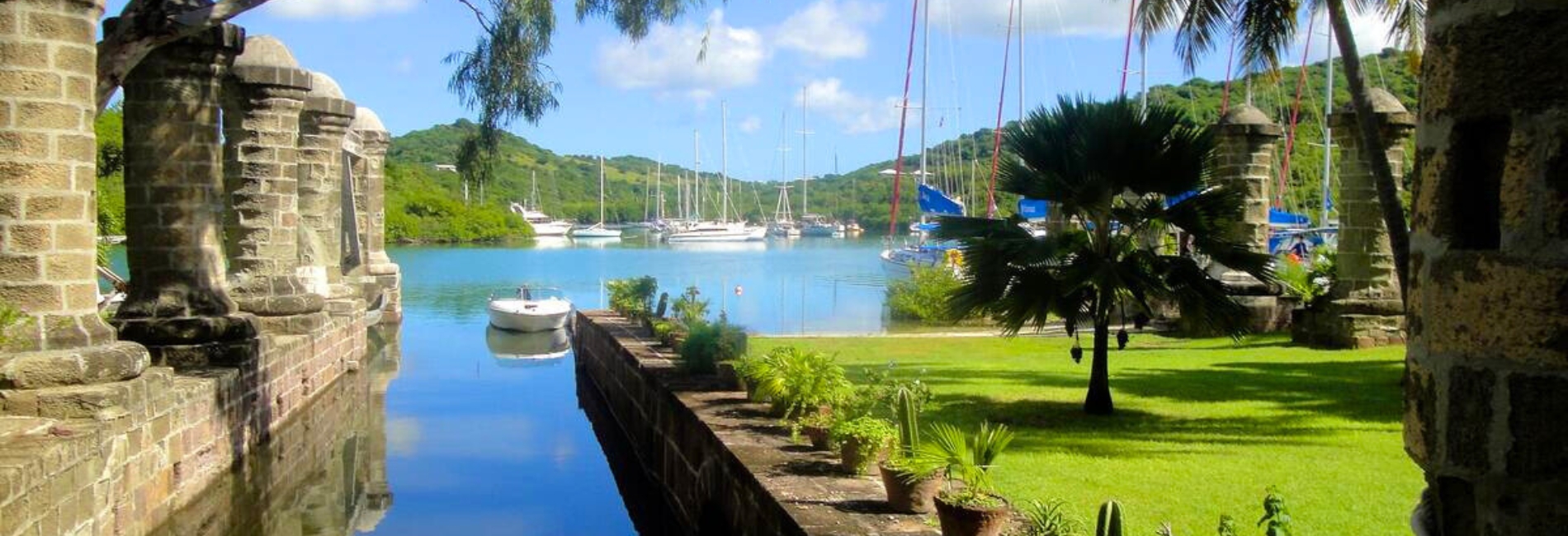
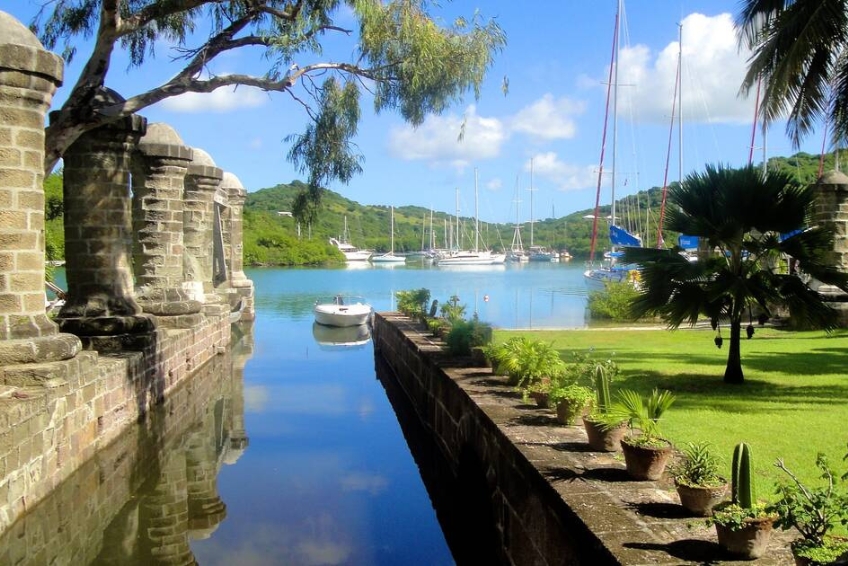
April holds special significance in Antigua’s cultural calendar as the host month for the prestigious Antigua Classic Yacht Regatta, typically held in mid-April. This spectacular event draws sailing enthusiasts from around the world, filling the harbors with beautiful vintage vessels and creating a festive atmosphere throughout English Harbour and Nelson’s Dockyard. The racing events provide stunning photo opportunities, while the evening social events offer visitors a chance to mingle with sailing aficionados and experience Antigua’s legendary maritime heritage.
Local Easter celebrations add another layer of cultural richness to April visits. The island comes alive with traditional kite flying festivals, particularly at Devil’s Bridge, where the annual Easter Monday International Kite Festival brings together professional kite flyers and families to enjoy this cherished tradition. Local bakeries fill with the aroma of freshly baked hot cross buns, and churches throughout the island host moving gospel concerts.
The calmer seas of April create perfect conditions for snorkeling and diving, with water visibility often reaching its peak. The sea temperature rises to a comfortable 28°C (82°F), and marine life becomes increasingly active around the reefs. This makes it an ideal time to explore sites like Cades Reef or Deep Bay, where the wreck of the Andes lies in shallow, crystal-clear waters.
Check out this Eco-Friendly Certified Diver Trip In Antigua.
Or enjoy this Sail and Snorkel at Cades Reef.
Antigua in May
May in Antigua signals the gentle beginning of the low season, bringing with it a remarkable transformation in both atmosphere and value for visitors. The temperature climbs to an average of around 27°C (81°F), with afternoon highs reaching 30-31°C (86-88°F), though the mornings remain particularly pleasant for exploration and outdoor activities. Brief tropical showers become more common, typically arriving in the late afternoon and creating spectacular sunsets as the clouds clear.
The departure of peak season visitors creates a notably different island experience, allowing travelers to discover a more authentic side of Antiguan life. Restaurant reservations become easier to secure, beaches return to a peaceful state, and locals have more time to share stories and recommendations with visitors. Many hotels and resorts begin offering significant discounts during this period, sometimes up to 40% off peak season rates, making May an excellent choice for budget-conscious travelers seeking luxury experiences.
The Antigua Sailing Week, one of the Caribbean’s premier sailing events, often extends into early May, bringing a festive atmosphere to Nelson’s Dockyard and English Harbour. The event culminates in spectacular parties and award ceremonies that visitors can enjoy alongside international sailing crews. As this event concludes, the island settles into a more relaxed rhythm, perfect for those seeking a quieter Caribbean experience.
May also marks the beginning of mango season in Antigua, with local markets overflowing with dozens of varieties of this tropical fruit. Food enthusiasts can sample different types at roadside stands or participate in cooking classes that highlight this seasonal bounty. The month often features small local food festivals celebrating the harvest, offering visitors an authentic taste of island cuisine.
The warmer waters of May, reaching around 28°C (83°F), attract various marine species closer to shore. Snorkelers and divers might spot more sea turtles during this time, particularly around Galleon Beach and Green Island. As hawksbill and green sea turtles begin their nesting season, evening beach walks may reward you with glimpses of these magnificent creatures coming ashore. The increasing humidity also brings the island’s flora into full bloom, making May an ideal time for nature photographers and hiking enthusiasts to explore trails around Mount Obama or the rainforest areas.
Sail around Antigua on this top rated Xtreme Circumnavigation tour, where you’ll get to explore Stingray City, have lunch and wash it down with some rum punch.
Or take a look at this Sailing Antigua’s West Coast tour, where you’ll have lunch on a secluded beach.
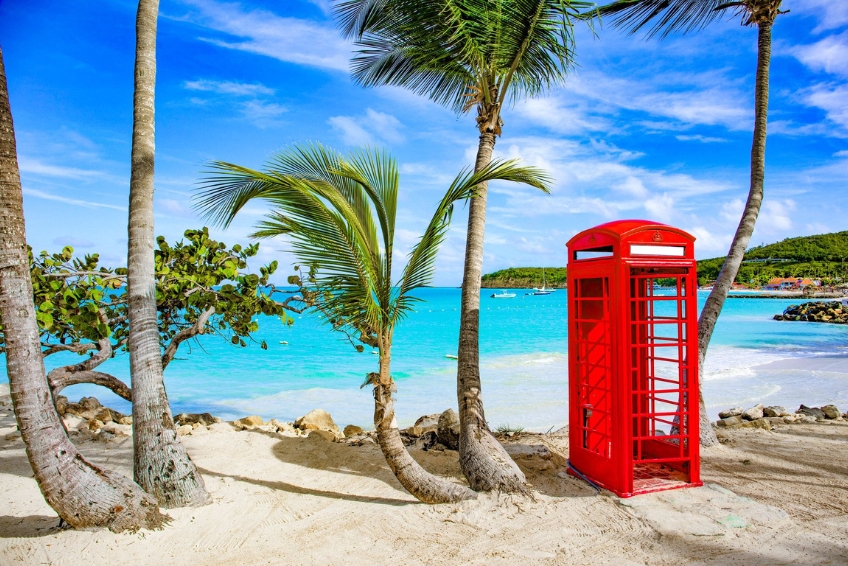
Antigua in June
June in Antigua ushers in the official start of the Caribbean summer, bringing warmer temperatures that average around 27-28°C (81-82°F), with afternoon highs reaching 31°C (88°F). The island experiences a subtle shift in its weather patterns, with short but more frequent rain showers that typically arrive in the late afternoon. These brief downpours actually provide welcome relief from the heat and contribute to the island’s increasingly lush landscape, as tropical flowers burst into bloom across the countryside.
The arrival of low season transforms the island’s character entirely, offering visitors a more intimate and authentic experience of Antiguan life. Hotels and resorts operate at reduced capacity, leading to significantly lower rates – often 50% or more below peak season prices. This makes June an excellent time for travelers seeking luxury accommodations on a moderate budget. The reduced tourist numbers mean beaches return to their natural tranquil state, with popular spots like Dickenson Bay and Half Moon Bay offering plenty of space for peaceful relaxation.
June holds special significance in Antigua’s cultural calendar as the month when locals celebrate the opening of mango season in earnest. The island comes alive with small fruit festivals and local markets overflow with over two dozen varieties of mangoes. Visitors can sample local delicacies like mango chow, fresh juices, and homemade ice creams that highlight these seasonal treasures.
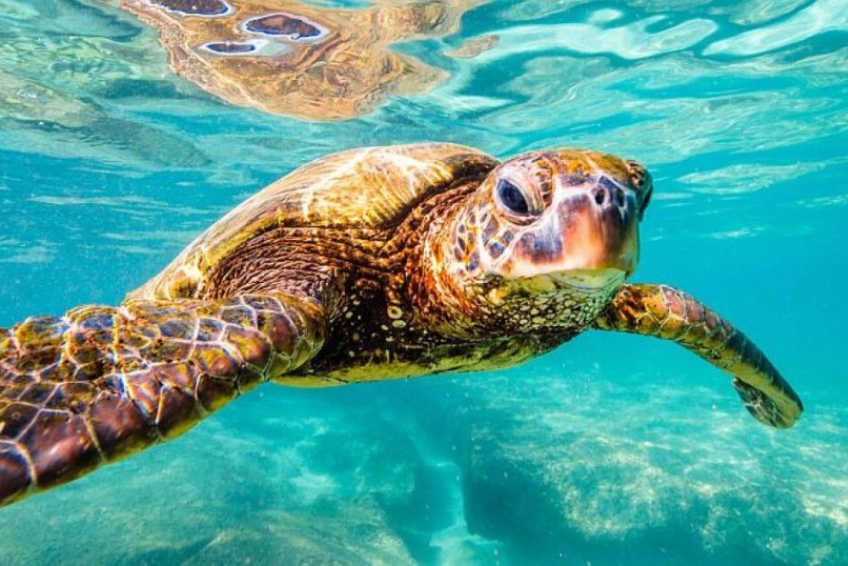
The warming waters, reaching around 29°C (84°F), create ideal conditions for sea turtle watching, as hawksbill turtles continue their nesting season alongside green sea turtles, while leatherback turtles complete their final nests of the season. Evening walks along beaches like Pasture Bay or Jabberwock might reward patient observers with glimpses of these magnificent creatures coming ashore. The calmer seas of June also make it an excellent time for learning to sail or taking beginner windsurfing lessons, with several schools offering low-season discounts on instruction.
Despite being the start of the official hurricane season, June typically sees very little severe weather. However, the possibility of tropical storms means visitors can benefit from lower travel insurance rates and flexible booking policies. The occasional overcast day provides perfect opportunities to explore indoor attractions like Betty’s Hope sugar plantation or the Museum of Antigua and Barbuda without the peak season crowds.
Visit Antigua’s best sites on this half day A Taste Of Paradise and History Of Antigua tour. You’ll explore the Betty’s Hope Sugar Plantation, sample local pineapple, mango, and rum punch, and discover Devil’s Bridge.
Antigua in July
July in Antigua brings the heart of Caribbean summer, with temperatures averaging around 27-28°C (81-82°F), though afternoon highs can reach 31°C (88-91°F).nThe island settles into a predictable rhythm during this month, with mornings dawning bright and clear before clouds build up in the afternoon, often delivering brief but refreshing showers that rarely last more than an hour. These passing rains create spectacular rainbows and help maintain the island’s vibrant greenery without disrupting beach time or outdoor activities.
The deep low season of July transforms the visitor experience dramatically. The reduced tourist numbers mean that even the most popular beaches like Pigeon Point and Darkwood feel almost private, with plenty of space to spread out under shaded palm trees. Hotels and resorts operate at their lowest capacity, offering remarkable values with rates often 60% below peak season prices. Many establishments use this quieter period to provide extra personalized service, allowing visitors to experience Antiguan hospitality at its finest.
Culturally, July holds special significance as the month of Antigua’s Carnival preparations. While the main festival typically begins in late July and extends into August, visitors earlier in the month can witness rehearsals of steel pan bands and carnival troupes throughout St. John’s. These informal previews offer unique insights into the island’s cultural traditions without the crowds of the main event.
The marine environment reaches its warmest and most inviting state in July, with water temperatures averaging 29-30°C (84-86°F). This warmth attracts diverse marine life closer to shore, making it an excellent time for snorkeling, particularly around Cades Reef and Green Island. The hawksbill turtle nesting season continues, and evening turtle watching tours operate with high success rates at beaches like Pasture Bay and Johnson’s Point.
Despite falling within hurricane season, July historically sees more manageable weather patterns than later summer months. However, the possibility of tropical storms means visitors benefit from highly flexible booking policies and reduced rates on travel insurance. Many hotels offer free rebooking or cancellation, providing peace of mind for travelers during this season.
The relative quiet of July also creates perfect conditions for exploring the island’s interior. The hiking trails around Mount Obama and through the rainforest areas become less traveled, offering peaceful opportunities to spot native birds and wildlife. The abundant tropical fruits of the season, including soursop, passion fruit, and continued mango harvests, make this an especially rewarding time for culinary adventurers to explore local markets and roadside stands.
Antigua in August
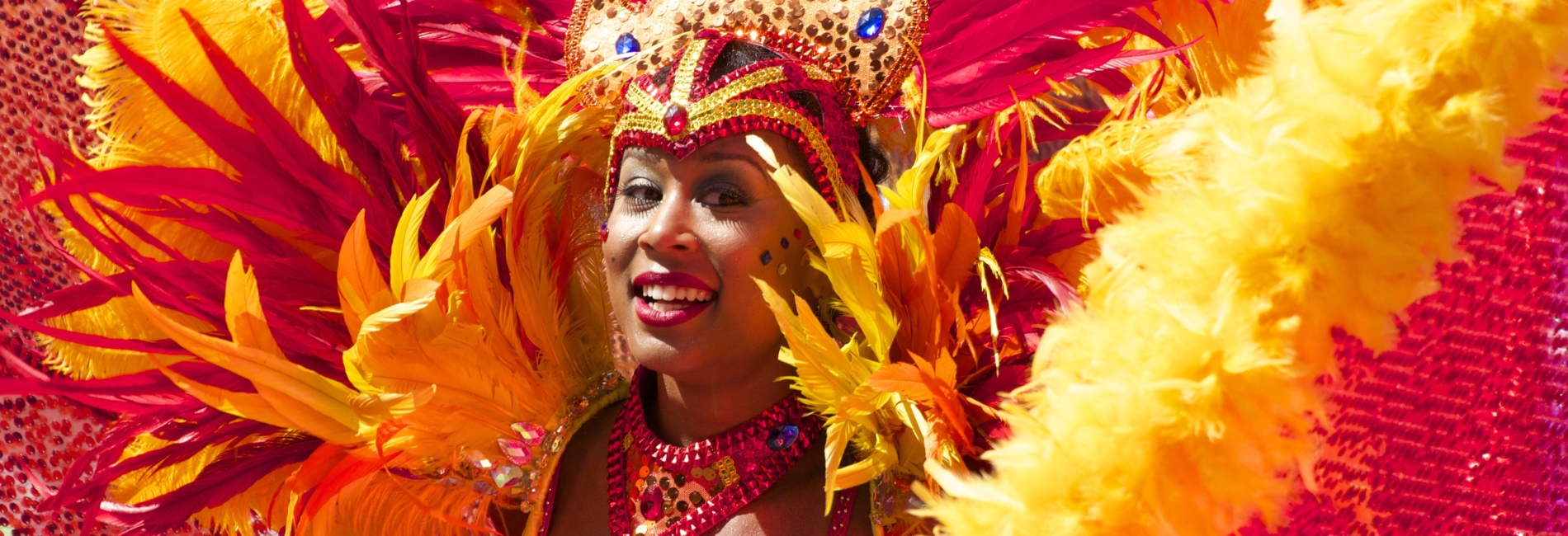
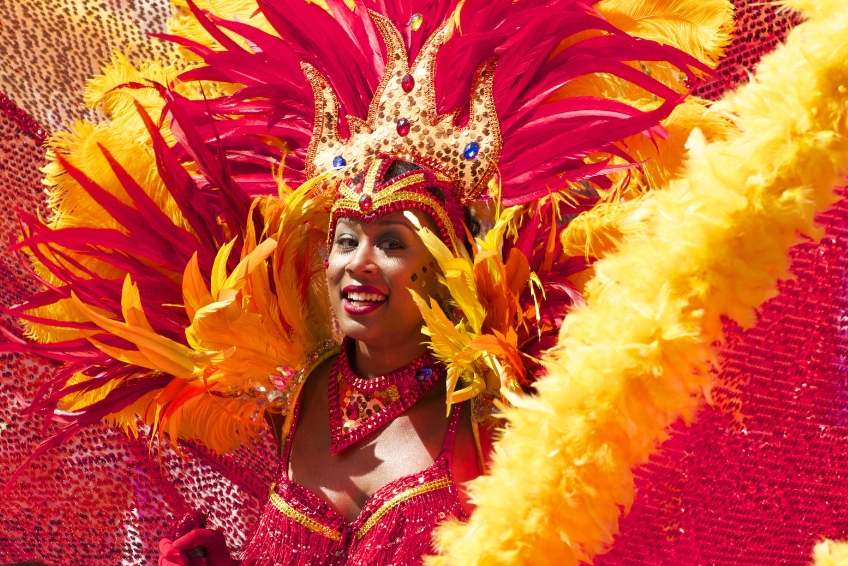
August in Antigua buzzes with the vibrant energy of Carnival, transforming the island into a spectacular celebration of culture, music, and dance. The temperatures average around 28°C (82°F), as August is the warmest month of the year with afternoon highs reaching 31-32°C (88-90°F), and while this marks one of the warmest months, the festivities keep everyone’s spirits high. Brief afternoon showers are common but rarely interfere with the celebrations or beach activities.
During Carnival, the streets of St. John’s come alive with colorful parades, steel pan competitions, and food fairs featuring local delicacies. Major events include J’Ouvert and the grand finale Parade of the Bands, where elaborate costumes and infectious Caribbean rhythms fill the streets.Even though this major cultural event attracts visitors, August remains part of the low season, meaning hotel rates stay significantly discounted – often 50-60% below peak season prices. Many properties offer special Carnival packages that include event tickets and transportation to festivities.
For food enthusiasts, August often features the annual Mango Festival at Christian Valley Agricultural Station, celebrating the peak of mango season with tastings, culinary competitions, and workshops on budding and grafting techniques.
The warm waters of August, reaching 30°C (86°F), create perfect conditions for swimming and snorkeling. Marine life is particularly active, with frequent sea turtle sightings as the nesting season continues. Morning beach visits are recommended, as afternoon thunderstorms become more common during this month.
While August falls within hurricane season, requiring flexible travel plans, most storms pass well north of the island. Visitors benefit from highly accommodating cancellation policies and the extraordinary value of low-season travel, making August an exciting month to experience Antigua’s rich cultural heritage at its most vibrant.
Antigua in September
September in Antigua marks a significant transition in both weather patterns and island atmosphere. The temperature averages around 28°C (82°F), with afternoon highs reaching 31°C (88°F), but humidity reaches its peak during this month. The likelihood of rain increases notably, with periodic showers becoming more frequent and lasting longer than in previous months. These weather patterns contribute to the lush tropical landscape, with the island’s vegetation reaching its most vibrant state.
This month falls squarely within the low season, and tourism reaches its quietest point. Many hotels and restaurants use this period for renovations or staff training, while others offer extraordinary discounts – sometimes up to 70% off peak season rates. Visitors who don’t mind the occasional rainy day can experience luxury accommodations at remarkable values. The beaches return to an almost pristine state, with popular locations like Valley Church Beach and Long Bay often having only a handful of visitors.
September’s weather patterns create interesting opportunities for photographers and nature enthusiasts. The dramatic cloud formations and frequent rainbows make for spectacular photo opportunities, particularly during sunrise and sunset. The increased rainfall also brings the island’s waterfalls, like Wallings Dam, to their most impressive flow.
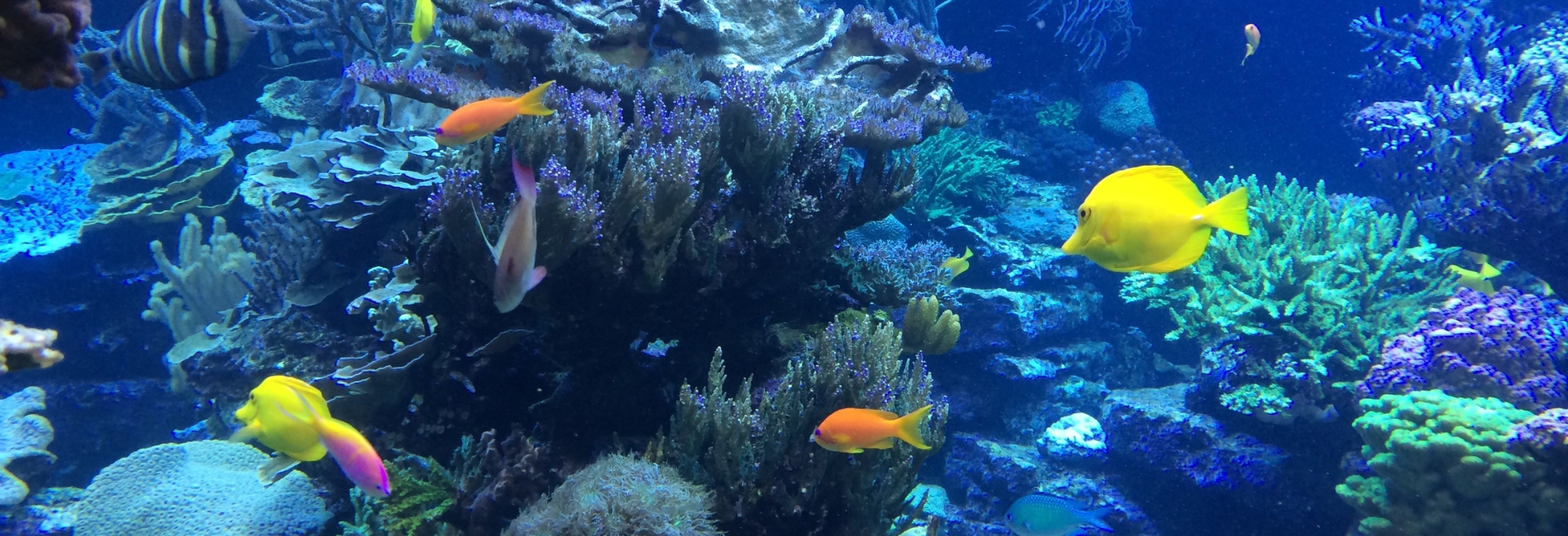
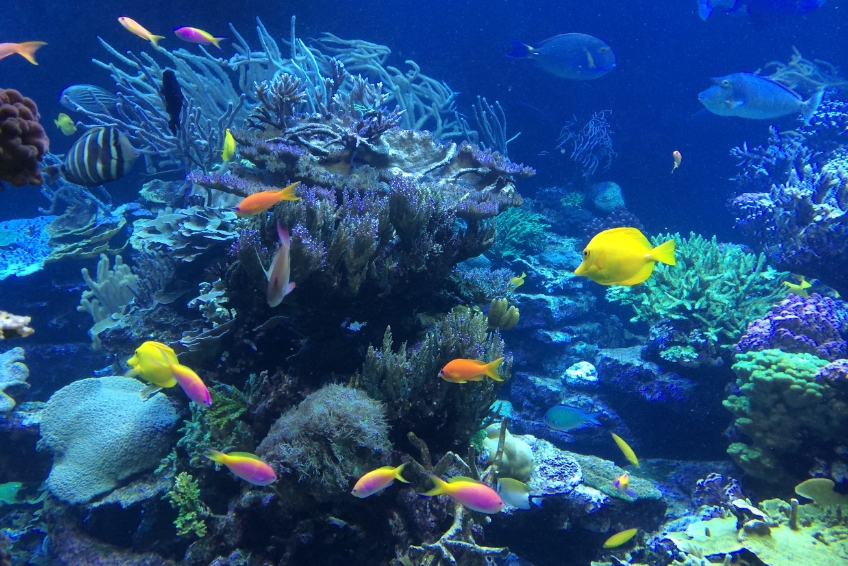
The sea temperature reaches its annual peak at around 29°C (84°F), and despite the occasional choppy conditions, the warmer waters attract diverse marine life. Snorkelers often report increased sightings of rays and tropical fish, especially in protected bays like Deep Bay and Half Moon Bay. However, visitors should remain flexible with their plans, as water activities might need to be rescheduled around weather conditions.
While September falls within the peak of hurricane season, requiring careful attention to weather forecasts and flexible travel plans, the majority of storms pass without significant impact. Most hotels and airlines offer highly accommodating cancellation policies during this period, and travel insurance typically provides comprehensive coverage at reasonable rates.
Check out this top rated Stingray City Experience with round trip travel included or this 6 Hour Guided Stingray Tour off the West Coast of Antigua.
Antigua in October
October in Antigua marks a significant transition in both weather patterns and island atmosphere. Average temperatures settle around 27-28°C (81-82°F), with afternoon highs reaching 30°C (86°F), though humidity remains relatively high. The weather patterns begin to stabilize compared to September, but afternoon showers remain common, typically lasting an hour or two before clearing to reveal spectacular sunset skies.
The island experiences a gradual awakening during October as properties begin preparing for the upcoming high season. While some establishments remain closed for annual maintenance, others reopen with refreshed facilities and enthusiastic staff. Visitors during this period can still find significant discounts, with many hotels offering rates 40-50% below peak season prices. The beaches remain peacefully uncrowded, though you might notice increasing activity around English Harbour as the yachting community begins its seasonal return.
The sea temperature stays warm at around 29°C (84°F), and the waters gradually become calmer as the hurricane season winds down. This creates excellent conditions for snorkeling and diving, particularly at sheltered sites like Carlisle Bay and Long Bay. Marine life remains highly active, with frequent sightings of rays and tropical fish in the clearer waters. As the sea turtle nesting season draws to a close on October 31, visitors may still catch glimpses of late-season hawksbill and green turtle activity on quieter beaches.
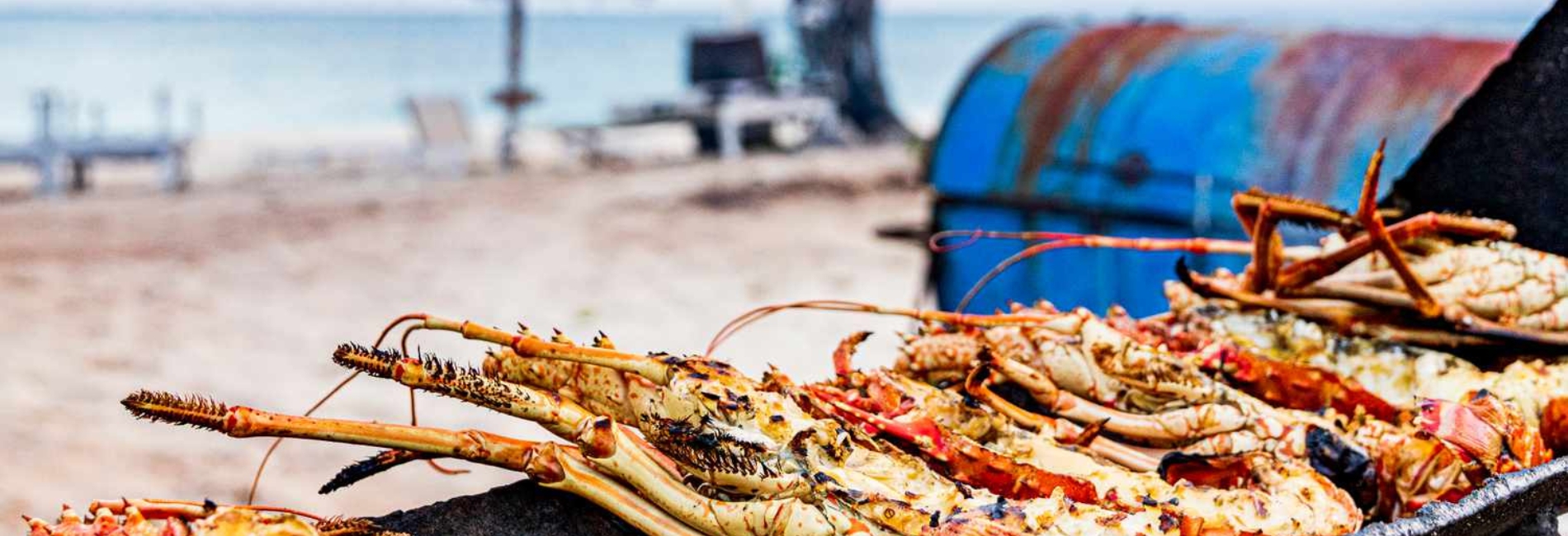
October holds cultural significance as the month when many local fishing villages host their harvest festivals. These authentic celebrations offer visitors unique opportunities to experience traditional Antiguan culture, sample local seafood specialties, and enjoy impromptu music performances. The slightly cooler evenings make these outdoor festivities particularly enjoyable.
While October still falls within hurricane season, the risk decreases significantly compared to September. Nevertheless, travelers should maintain flexible plans and consider comprehensive travel insurance. Most properties continue to offer generous rebooking policies during this period, providing peace of mind for visitors.
Antigua in November
November in Antigua marks the beginning of the high season as the island welcomes back international visitors seeking winter sunshine. The weather shifts into a more predictable pattern, with temperatures averaging around 27°C (81°F), with afternoon highs reaching 29-30°C (84-86°F), and humidity levels dropping noticeably. Brief passing showers remain possible but typically last only minutes, quickly giving way to sunshine. The trade winds return with renewed consistency, creating comfortable conditions for outdoor activities.
The island’s energy transforms during November as restaurants, hotels, and attractions operate at full capacity again. While rates begin to climb from their low-season levels, early November still offers better values than the peak winter months ahead. Advance reservations become increasingly important, particularly for popular restaurants around English Harbour and Jolly Harbour. The beaches grow more lively but rarely feel crowded, creating a pleasant balance between solitude and social atmosphere.
November holds special cultural significance as Antigua celebrates its Independence on November 1. Week-long celebrations lead up to independence with cultural performances, art exhibitions, dance festivals, food fairs, and sports competitions, culminating in the Prime Minister’s address, Grand Ceremonial Parade, and spectacular fireworks marking the island’s independence anniversary.
The marine conditions in November are particularly favorable, with water temperatures around 28°C (82°F) and improving visibility as the hurricane season ends. This makes it an excellent time for water sports, from snorkeling at Half Moon Bay to sailing around the island’s perimeter. The calmer seas also mark the beginning of the whale-watching season, with occasional sightings of humpback whales passing through Antiguan waters. The calmer seas also provide excellent conditions for diving and exploring the island’s renowned coral reefs and shipwrecks.
November brings the start of the winter sailing season, and the harbors begin filling with yachts from around the world. This influx creates a cosmopolitan atmosphere, particularly during sunset hours when beach bars and waterfront restaurants come alive with a mix of visitors and seasonal residents. The month often features small regattas and sailing events, offering spectacular views for photographers and maritime enthusiasts.
The slightly cooler evenings of November create perfect conditions for outdoor dining and entertainment, including the famous Sunday sunset parties at Shirley Heights, which see increasing attendance as the high season approaches. Local markets also become more vibrant as vendors prepare for the tourist season, offering an excellent opportunity to explore Antiguan crafts and local produce.
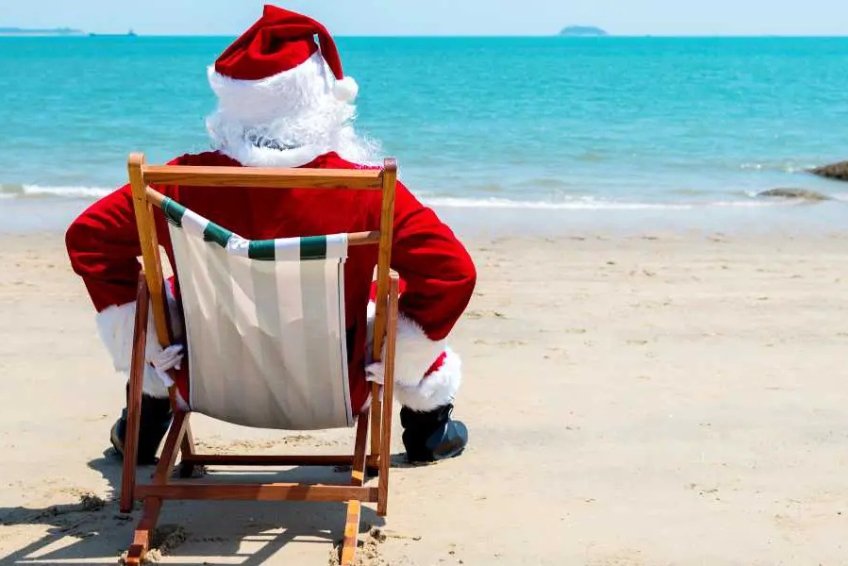
Antigua in December
December in Antigua heralds the true beginning of peak season, as the island transforms into a sought-after winter paradise. The weather reaches near perfection with temperatures hovering around 26°C (79°F), with afternoon highs reaching 28-29°C (82-84°F), while the trade winds provide natural air conditioning. December typically sees minimal rainfall, with any brief showers quickly giving way to brilliant sunshine. The humidity drops to its lowest levels of the year, creating ideal conditions for exploring both beaches and inland attractions.
As one of the most popular months for visitors, December sees a significant increase in activity and prices across the island. Hotels and resorts often charge their highest rates, particularly during the holiday weeks when accommodations frequently book up months in advance. The island’s atmosphere becomes notably more cosmopolitan, with mega-yachts filling the harbors and international visitors bringing a festive energy to beaches and restaurants.
The waters around Antigua remain invitingly warm at 27°C (81°F), though slightly cooler than previous months. This temperature drop actually improves visibility for snorkeling and diving, particularly around Cades Reef and Deep Bay. The December seas typically remain calm, making it an excellent time for sailing excursions and water sports of all kinds.
The holiday season brings special celebrations to Antigua, with local Christmas markets appearing in St. John’s and villages across the island. Steel pan bands perform traditional carols with a Caribbean twist, while restaurants offer special holiday menus featuring both international and local seasonal specialties. The yacht clubs and harbors sparkle with holiday decorations, creating magical evening atmospheres, particularly around Nelson’s Dockyard and Jolly Harbour.
For those seeking to experience December in Antigua, early booking is essential – not just for accommodations but also for restaurants and popular activities. Those hoping to spend Christmas or New Year’s on the island should plan at least six months ahead, as this period represents the absolute peak of high season, with many visitors booking a year in advance.
Want to experience the best sites in Antigua? Check out this Scenic Full Day Tour, where you’ll see Devil’s Bridge, Blockhouse, Shirley Heights, Nelson Dockyard, and Fig Tree Drive where you’ll see banana trees, and pineapples.
More
CARIBBEAN
Islands, Beaches, Cuisine and More

The Best Antigua All Inclusive Resorts
Whether you’re searching for family relaxation or some romance, each of these all-inclusive resorts in Antigua will deliver, with a dash of Caribbean luxury, and the perfect setting for your dream tropical vacation.

Antigua Restaurant Guide
Welcome to beautiful Antigua! This stunning Caribbean Island has been a favorite of holidaymakers from around the world for years, with its relaxed culture and gorgeous seafood just two of the biggest draws for travelers looking to embrace the slower side of life.
Antigua Visitors Guide
The island of Antigua holds a special place in our hearts. It’s a place where one can access luxurious amenities and STILL find numerous places to get away from it all! Here is some basic info to get you started and many of the best things to do in Antigua.

Antigua Hotel Guide
Antigua has a special blend of all the comforts of the 21st century mixed with all the mystique of the pirate era. Visitors can relax on the beach, snorkel, zipline and more. Use this guide to Antigua hotels to pick your perfect relaxation base.
The Best Caribbean All Inclusive Resorts
Choosing the best Caribbean all inclusive resort for your needs can be challenging. In this article, we’ll tell you our top choices in each country and help you plan the most fantastic holiday imaginable.

The Best Cayman Islands All Inclusive Resorts
Welcome to the ultimate guide to Cayman Islands all inclusive resorts! Whether you’re looking for a family-friendly resort or a romantic adults-only retreat, we’ve got you covered with this list of the best all inclusive resorts in the Cayman Islands.

Jamaica Waterfalls Guide
Jamaica is home to some of the most famous waterfalls in the Caribbean. From towering cascades to gentle streams, there’s a waterfall for every taste. Here is our guide to the best waterfalls Jamaica has to offer.

Puerto Rico Bioluminescent Bay Guide
There are three incredible bioluminescent bays in Puerto Rico that shouldn't be missed. They are a unique attraction, and visiting them is the perfect nighttime adventure. Here's a guide to visiting these bioluminescent bays on your next trip to Puerto Rico.

Spanish Wells, Bahamas Visitors Guide
Spanish Wells is a charming small island hidden among the uninhabited cays on the archipelago of the Bahamas. Our Spanish Wells visitors guide provides everything you need to know to have an incredible island getaway.
Harbour Island Bahamas Visitors Guide
Harbour Island is known for its charming historical pastel-painted cottages, boutique hotels, and miles of soft, pink sand beaches. Here is our guide for the perfect trip to Harbour Island in the Bahamas.
The Best Bimini Bahamas Resorts
Bimini Bahamas offers an enchanting mix of relaxation and adventure. Some people may not think of resorts when they think of Bimini, but we’ve compiled a list of the best Bimini Bahamas resorts for you to check out this year!

Bimini Island Visitors Guide
Bimini Island in The Bahamas is a dreamy destination with incredible beaches, turquois water and friendly locals. Plan your dream visit with great info, travel tips, fun things to do in Bimini and more.