
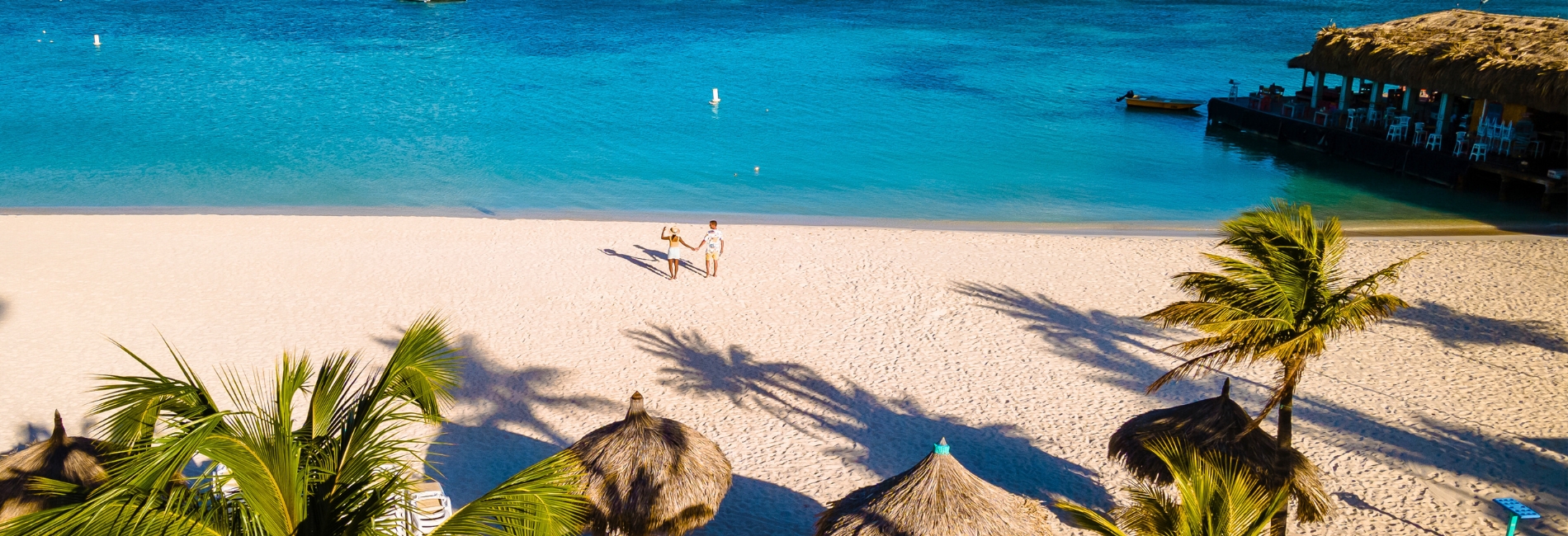
The Best Time To Visit Aruba
 Daniel Mode
Daniel Mode
Daniel Mode Laura Schulthies
Laura Schulthies
Laura SchulthiesWelcome to our comprehensive guide to the best time to visit Aruba, the Caribbean’s enchanting “Happy Island.” This month-by-month journey will help you discover the perfect time to experience Aruba’s endless sunshine, cooling trade winds, and vibrant culture. While Aruba enjoys consistently beautiful weather year round, each month offers its own unique blend of festivals, cultural events, and more. Whether you’re seeking the lively atmosphere of the high season or the peaceful tranquility of the summer months, this guide will help you plan your ideal Aruban adventure.
This article contains affiliate links. If you click on our links, we may earn a small commission at no extra cost to you. This helps us continue to offer free travel guides, but does not influence our recommendations in any way. Thanks for supporting independent travel content.
Contents
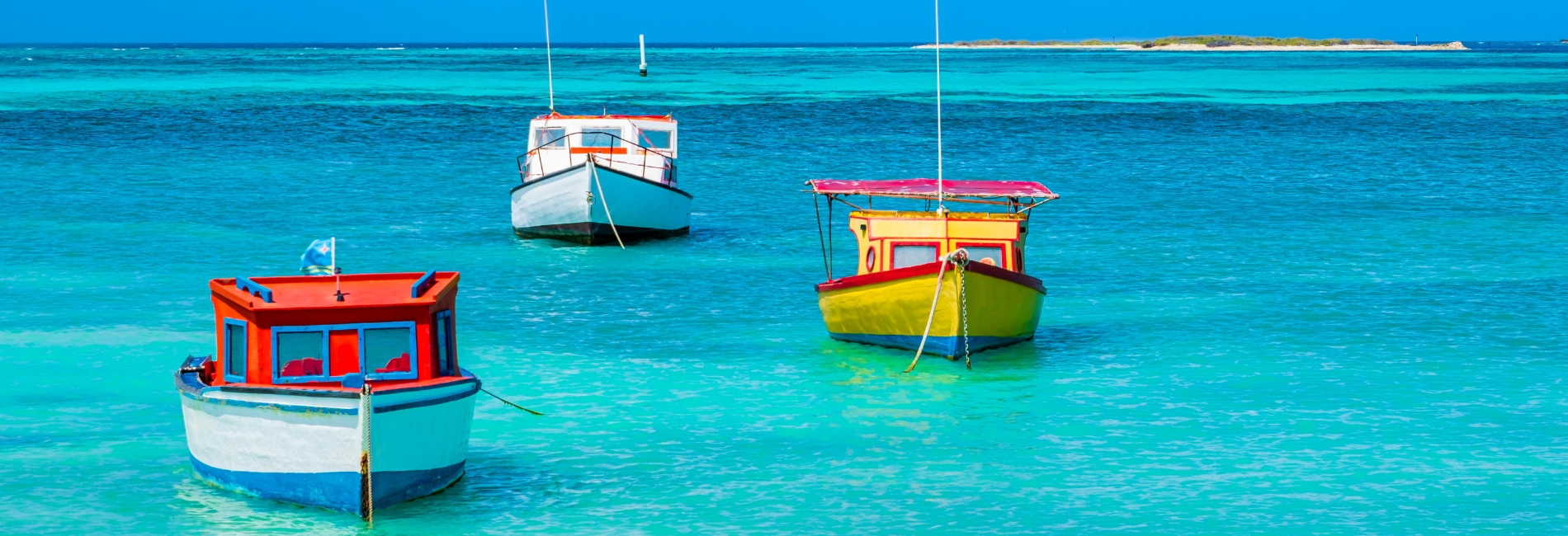
Aruba in January
Ah, welcome to Aruba in January – you’ve picked one of the most delightful times to visit this Caribbean paradise! The weather is consistently beautiful during this month, with daytime temperatures hovering around 25-30°C (77-86°F) and gentle trade winds keeping things comfortable. January is Aruba’s driest month with minimal rainfall , just over an inch for the entire month, leaving you with nearly endless sunny days.
January falls right in the middle of the peak tourist season, so visitors should book accommodations well in advance. The atmosphere is bustling but not overwhelming – the beaches are comfortably populated and restaurants pleasantly lively, especially around Palm Beach and Arashi Beach. Eagle Beach is consistently rated among the Caribbean’s best beaches and is a prime spot for turtle nesting during this time of year.
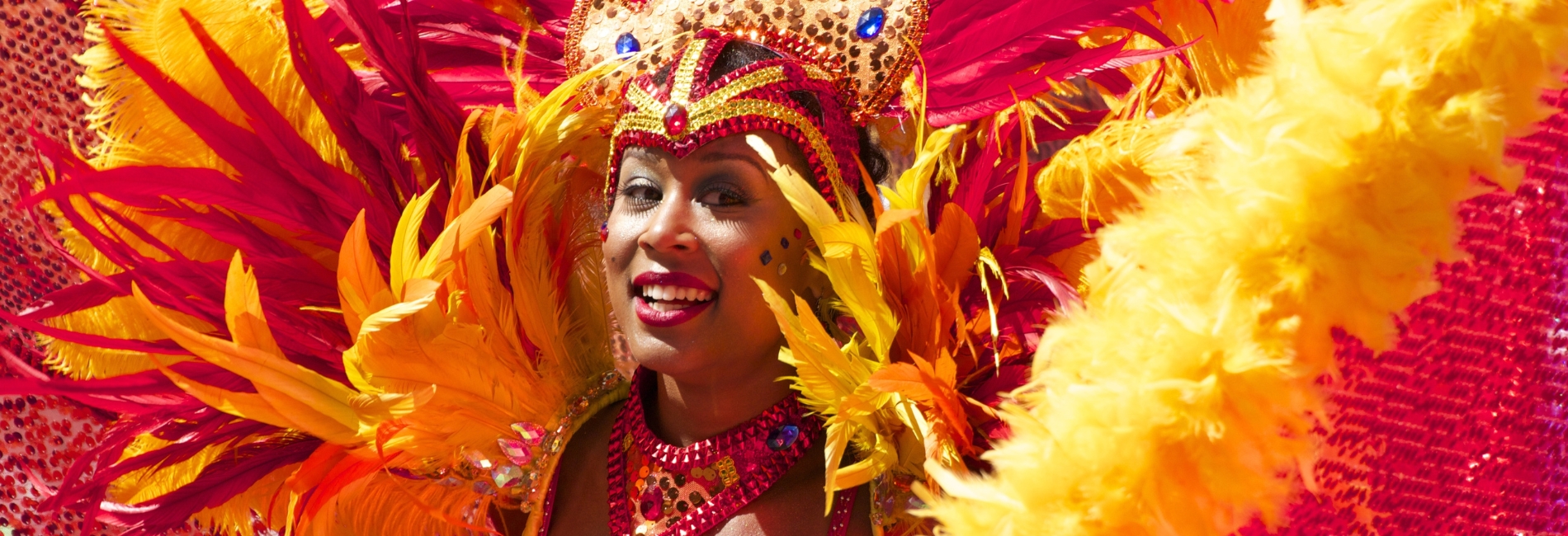
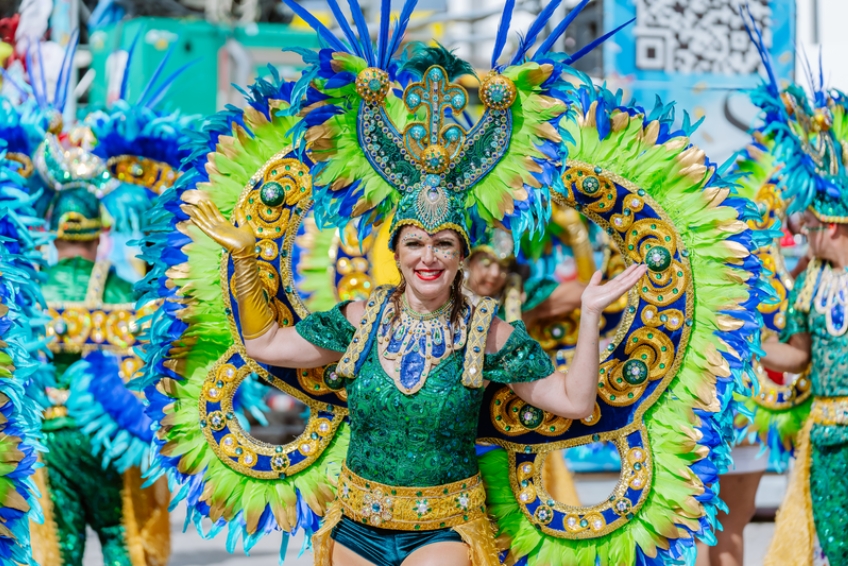
This month brings some exciting events, including the kickoff of Aruba’s famous Carnival season! The festivities begin on January 1st with the Tivoli Lighting Parade, marking the start of weeks of celebrations that include jump-ins, calypso competitions, and colorful parades. The weekly Bon Bini Festival continues every Tuesday evening at Fort Zoutman in Oranjestad, offering visitors a taste of traditional Aruban music, dance, and cuisine.
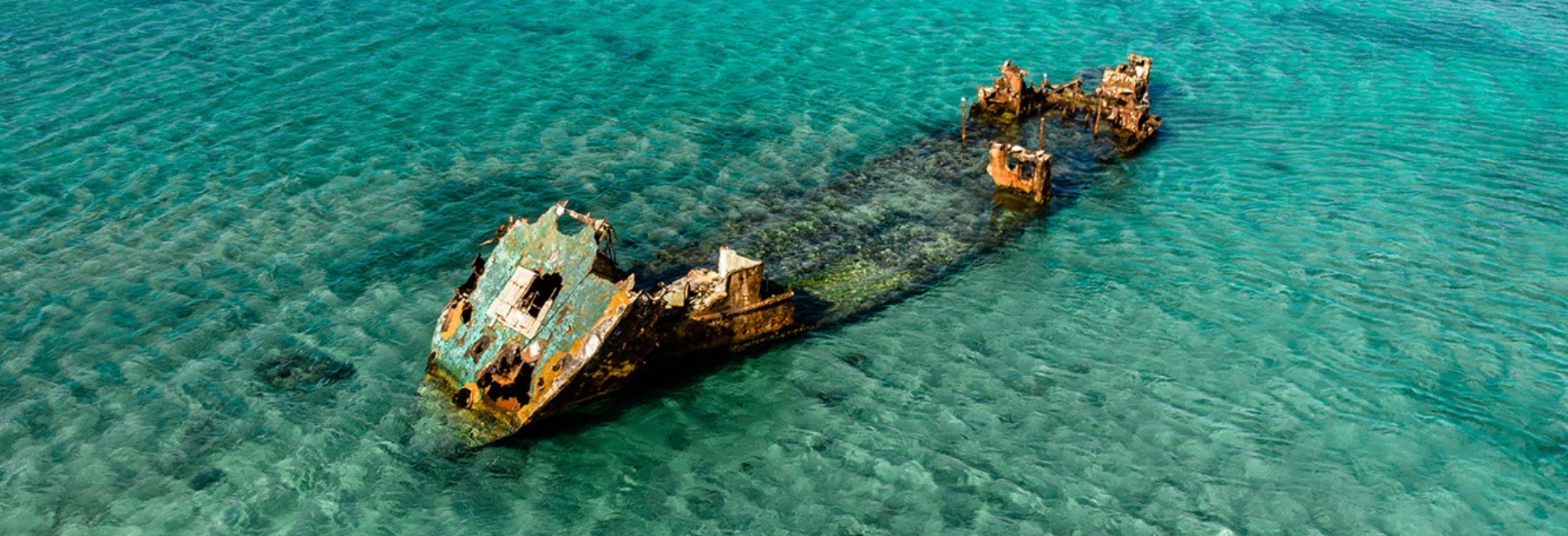
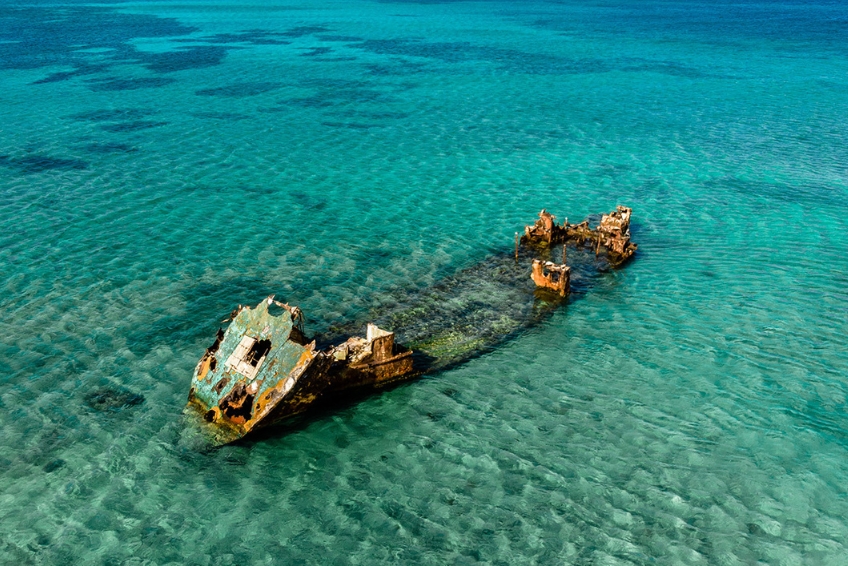
To avoid the crowds, consider exploring the island’s hidden gems like Mangel Halto for morning snorkeling or take an excursion to Arikok National Park to discover caves, natural pools, and rugged desert landscapes. The water temperature is a pleasant 26°C (79°F), perfect for snorkeling or trying out some water sports. Don’t miss the chance to snorkel or dive the Antilla Wreck, at 400 feet long, it’s the Caribbean’s largest shipwreck and sits in crystal-clear waters off Malmok Beach.
Check out an amazing Aruban sunset on this Aruba Happy Hour Sunset Sail with Savory Bites and Cocktails or this Aruba Sunset Sail Cruise aboard The Dolphin Catamaran.
Aruba in February
February continues Aruba’s high season, offering visitors perfect beach weather with temperatures ranging from 77-88°F (25-31°C). The cooling trade winds remain consistent, creating ideal conditions for both relaxation and water sports. Like January, rainfall is minimal, though you might experience an occasional brief shower that quickly gives way to sunshine.
The island buzzes with pre-Lenten celebrations as Carnival season reaches its peak. This month-long festival transforms Aruba into a vibrant spectacle of color and music, with grand parades, calypso competitions, and midnight celebrations filling the streets. The Children’s Parade in Oranjestad typically occurs around mid-February, with additional parades and events continuing through the end of the month leading up to the Grand Carnival Parade finale in early March.
Despite being peak season, February often feels slightly less crowded than January as holiday travelers have departed. However, Carnival events draw both tourists and locals to celebration areas, so plan accordingly if you’re visiting during this time. Beach areas remain busy but manageable, with popular spots like Baby Beach and Arashi Beach offering quieter alternatives to the hotel zone beaches.
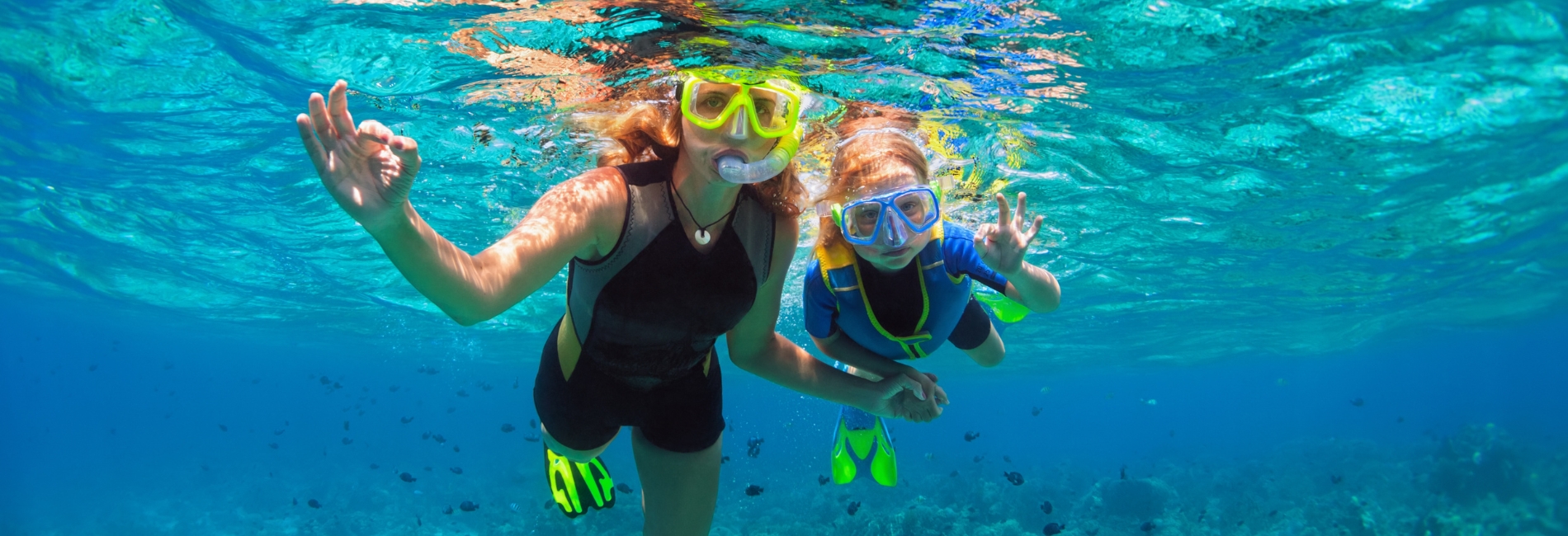
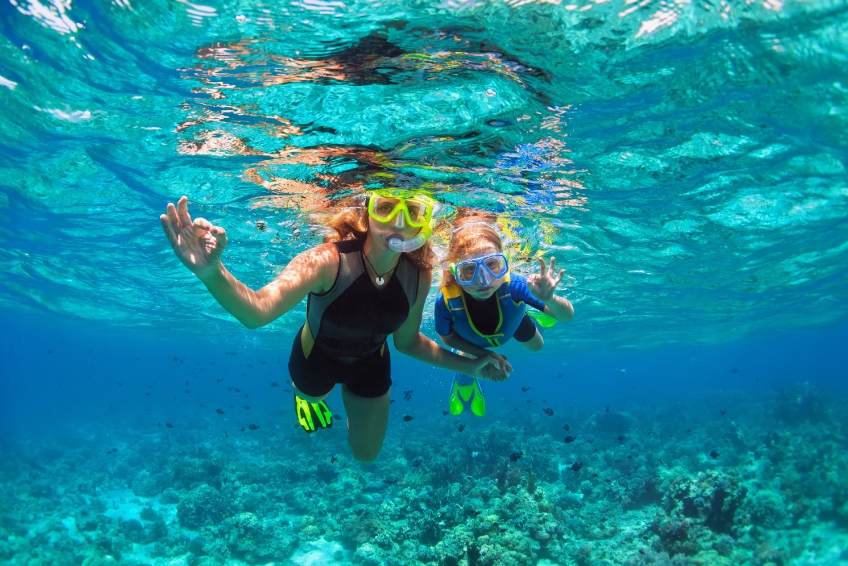
Accommodation prices remain at premium rates, and advance booking is essential, particularly if you want to experience Carnival. Consider staying in San Nicolas if you’re interested in the authentic carnival experience, as many events center around this cultural hub. For water activities, mornings offer the calmest conditions before the trade winds pick up. February’s clear waters make it an excellent time for diving and snorkeling, with visibility often exceeding 60-100 feet.
Local restaurants feature special Carnival menus during this period, offering traditional foods like Johnny cakes and fresh seafood. The festive atmosphere extends into the evenings with beach barbeques and live music performances at various resorts and restaurants.
Explore the beautiful underwater world of Aruba on this top rated Arusun Catamaran Sail With Snorkeling or this excellent Aruba Sail and Snorkel with Crafted Cocktails.
Aruba in March
March marks the final month of Aruba’s peak season, maintaining the ideal weather pattern with temperatures ranging from 77-88°F (25-31°C). The famous trade winds continue their steady presence, though they might occasionally intensify, creating excellent conditions for windsurfing and kiteboarding enthusiasts. Clear skies dominate, with any rain showers passing quickly.
March is one of Aruba’s most festive months! The Grand Carnival Parade, the spectacular finale of Carnival season, takes place in early March in Oranjestad, featuring elaborate costumes and float processions winding through the city streets, followed by the traditional Burning of Momo ceremony.
March 18th is Aruba’s National Flag & Anthem Day (Dia di Himno y Bandera), commemorating the 1976 adoption of Aruba’s official symbols. The streets of Oranjestad come alive with parades, traditional music, and celebrations at Plaza Betico Croes, it’s a wonderful opportunity to experience authentic Aruban culture and national pride.
Spring break brings an influx of college students and families, particularly in the middle of the month. The atmosphere becomes more energetic, especially around Palm Beach and the High-Rise hotel area. However, the island’s numerous beaches and attractions allow visitors to find their preferred pace, whether seeking excitement or tranquility.
The island maintains its cultural vibrancy throughout March with ongoing weekly events and local celebrations. Art fairs and music performances enliven San Nicolas’s muraled streets, showcasing the island’s creative spirit. The weekly Bon Bini Festival in downtown Oranjestad offers visitors a taste of traditional Aruban music, dance, and cuisine every Tuesday evening.
Water temperatures hover around 79°F (26°C), perfect for swimming and water sports. March’s afternoon winds make Malmok Beach and Boca Grandi popular destinations for experienced windsurfers. For calmer waters, morning snorkeling at Mangel Halto or afternoon swimming at Rogers Beach offer excellent alternatives.
While still in high season, March sometimes sees slightly lower accommodation rates than February, though advance booking remains essential. Consider exploring the California Lighthouse area or staying in Savaneta for a more authentic Aruban experience away from spring break crowds. Many restaurants offer sunset dinner specials during this time, and local food trucks gather at various locations, providing delicious, casual dining options.
Take in the beauty of San Nicolas’s muraled streets on this top rated The Whole Story Tour: San Nicolas tour or this fantastic Baby Beach and San Nicolas Private Art Murals Adventure.
Aruba in April
April signals the transition from high to shoulder season in Aruba, bringing subtle changes to the island’s rhythm. Temperatures remain consistently pleasant, ranging from 79-90°F (26-32°C), while the trade winds begin to moderate slightly. The arid climate continues, with abundant sunshine and minimal rainfall, creating perfect conditions for outdoor activities.
As spring break crowds dissipate, the island returns to a more relaxed pace. Visitors find shorter wait times at popular restaurants and attractions, though the island maintains a lively atmosphere. The King’s Day Celebration (Koningsdag) takes place on April 27th, bringing the streets of Aruba to life with vibrant fairs, sports competitions, and cultural performances.
Holy Week celebrations, if they fall in April, add a cultural dimension to your visit, with processions and special church services that provide insight into Aruban traditions. The island’s Easter celebrations often include beach picnics and flying of kites, a beloved local tradition.
Water conditions remain excellent for swimming and snorkeling, with underwater visibility at its peak. The moderating winds make April ideal for learning water sports, and many operators offer discounted lessons during this shoulder season. The waters around Renaissance Island and De Palm Island are particularly calm, perfect for novice snorkelers.
Accommodation prices begin to decrease, offering better values than previous months. Consider booking at smaller boutique hotels or guest houses that might have been fully booked during peak season. The Pos Chiquito and Paradera areas offer authentic neighborhood experiences with easy access to main attractions.
Local restaurants begin introducing off-season menus, and many venues feature live music events under the stars. The Thursday night art fair in San Nicolas continues, showcasing local artists and craftspeople in a less crowded setting than during high season.
Get out on the water with this fun Aruba Jet Ski Waverunner Rental or this top rated Aruba Parasailing Experience.
For some family fun on the water check out this Exciting Tube Ride in Aruba.
Aruba in May
May ushers in Aruba’s shoulder season, bringing subtle increases in temperature ranging from 81-90°F (27-32°C). The famous trade winds maintain their cooling presence but often decrease in intensity, creating more predictable conditions for water activities. While humidity begins to rise slightly, the island’s arid climate ensures comfortable conditions with very little rainfall.
This month offers an excellent balance of amenities and accessibility, with reduced crowds and lower prices compared to winter months. The annual Hi-Winds Competition kicks off at the end of May and continues into early June. This kitesurfing competition brings fun to Aruba with its extraordinary kitesurfing, which includes creative competitions. The Aruba Soul Beach Music Festival occurs in May, featuring live beach concerts, beach parties, and entertaining comedy acts.
The month kicks off with Aruba’s Labor Day celebrations on May 1st, featuring local music and cultural events. As the month progresses, visitors can enjoy popular attractions like the Butterfly Farm and Arikok National Park without the winter crowds. The Casibari Rock Formations and Ayo Rock Formations offer excellent hiking opportunities in the slightly cooler morning hours.
Water temperatures warm to around 80°F (27°C), perfect for extended swimming and snorkeling sessions. The calmer winds make May ideal for diving excursions to sites like the Antilla Wreck or the reef at Mangel Halto. Eagle Beach and Palm Beach remain popular but offer plenty of space to spread out, while Boca Catalina provides excellent morning snorkeling opportunities.
Accommodation rates drop significantly, and many hotels offer package deals that include meals or activities. Consider exploring stays in the Noord district or near Druif Beach for quieter alternatives to the main hotel areas. Local restaurants begin their off-season specials, and the twice-monthly food truck festival in Oranjestad offers an authentic taste of local cuisine.
Explore Arikok National Park on this amazing Arikok National Park Jeep Adventure or this Half Day Arikok National Park Safari Tour.
Looking for a little more adventure? Check out this Horseback Ride Tour Of Arikok National Park or this Private National Park Hiking Tour.
Aruba in June
June marks the beginning of Aruba’s off-season, though you’d hardly notice any decline in the island’s beauty or activities. Temperatures climb slightly to 81-90°F (27-32°C), but the ever-present trade winds keep conditions comfortable. Brief afternoon showers become more common but rarely last long enough to disrupt plans, and they provide welcome refreshment to the warm days.
The island celebrates its cultural heritage with the Dera Gai (St. John’s Day) festivities on June 24th, featuring traditional harvest dances and musical performances. The Hi-Winds Competition wraps up in early June, so visitors arriving in the first week may catch the final days of this exciting windsurfing and kiteboarding event at Fisherman’s Huts.
Being off-season, June offers remarkable value for visitors. Hotel rates drop to their lowest levels, and many properties offer significant incentives including room upgrades and dining credits. Restaurants reduce their prices and often feature special summer menus highlighting local ingredients and traditional dishes.
Water activities remain excellent, with water temperatures reaching 82°F (28°C). Morning diving and snorkeling conditions are particularly good, with excellent visibility at sites like Baby Beach and Malmok Beach. The afternoon winds pick up enough for windsurfing but generally remain milder than winter months, perfect for beginners.
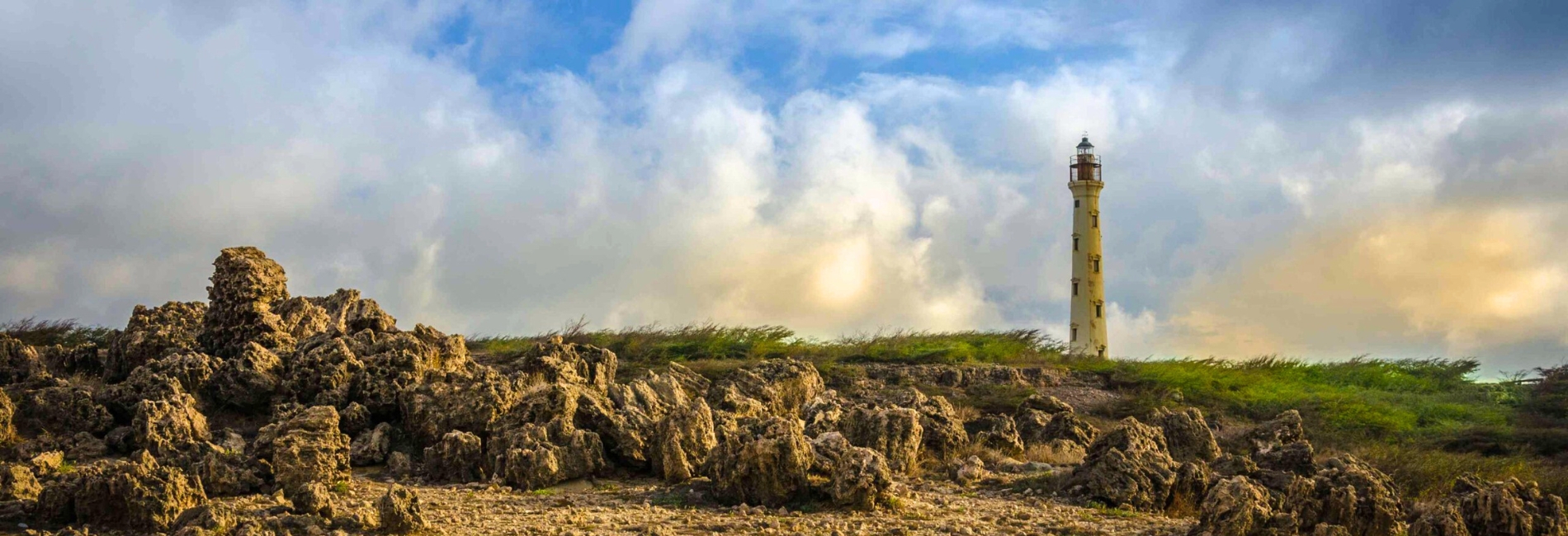
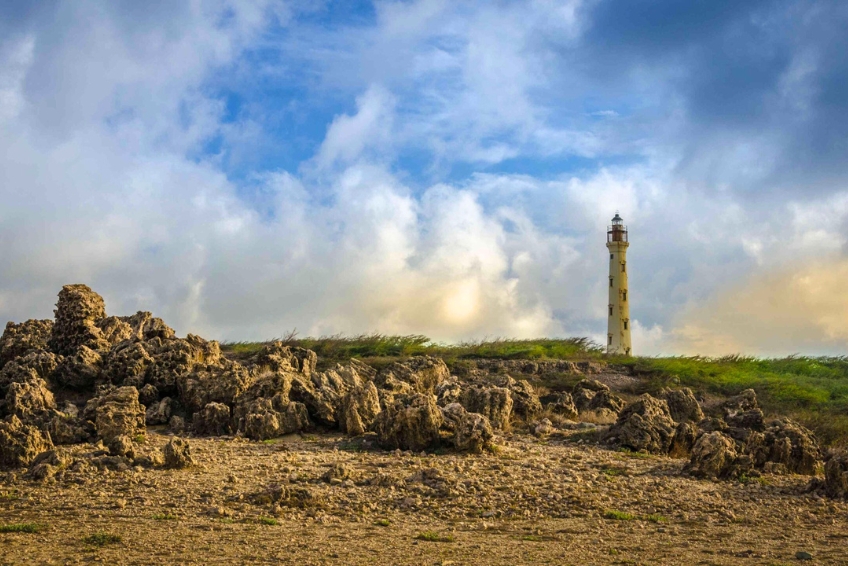
June’s reduced crowds mean easier access to popular attractions like the California Lighthouse and the Donkey Sanctuary. The Aruba Aloe Factory offers fascinating tours without the winter queues, and the Archaeological Museum provides a peaceful retreat during afternoon heat.
Consider staying in the Oranjestad area during this time, as many local cultural events center around the capital. The nearby Surfside Beach offers calm morning waters and sunset views, while the main shopping districts provide air-conditioned relief from afternoon warmth.
Check out California Lighthouse and other Aruba attractions on this Highlights Of Aruba Island Tour.
Looking for a bit more luxury check out this California Lighthouse Three-Course Dining Experience.
Aruba in July
July brings the heart of Aruba’s summer season, with temperatures reaching 82-90°F (28-32°C). While these numbers might sound warm, the reliable trade winds continue their cooling dance across the island, making outdoor activities perfectly comfortable. The occasional afternoon shower presents a brief, refreshing interlude rather than a disruption to island activities.
This month offers a quieter, more authentic experience of the island’s culture. Local communities, especially in San Nicolas, often host impromptu music sessions and beach gatherings, where visitors can experience genuine Aruban hospitality. Weekly cultural shows at hotels and restaurants provide opportunities to experience traditional Aruban music and dance performances.
Tourism reaches its lowest point in July, translating into remarkable opportunities for visitors. Hotels often offer their best rates of the year, sometimes including complimentary nights or resort credits. Many high-end restaurants introduce summer tasting menus at reduced prices, making this an excellent time to experience Aruba’s finest dining establishments.
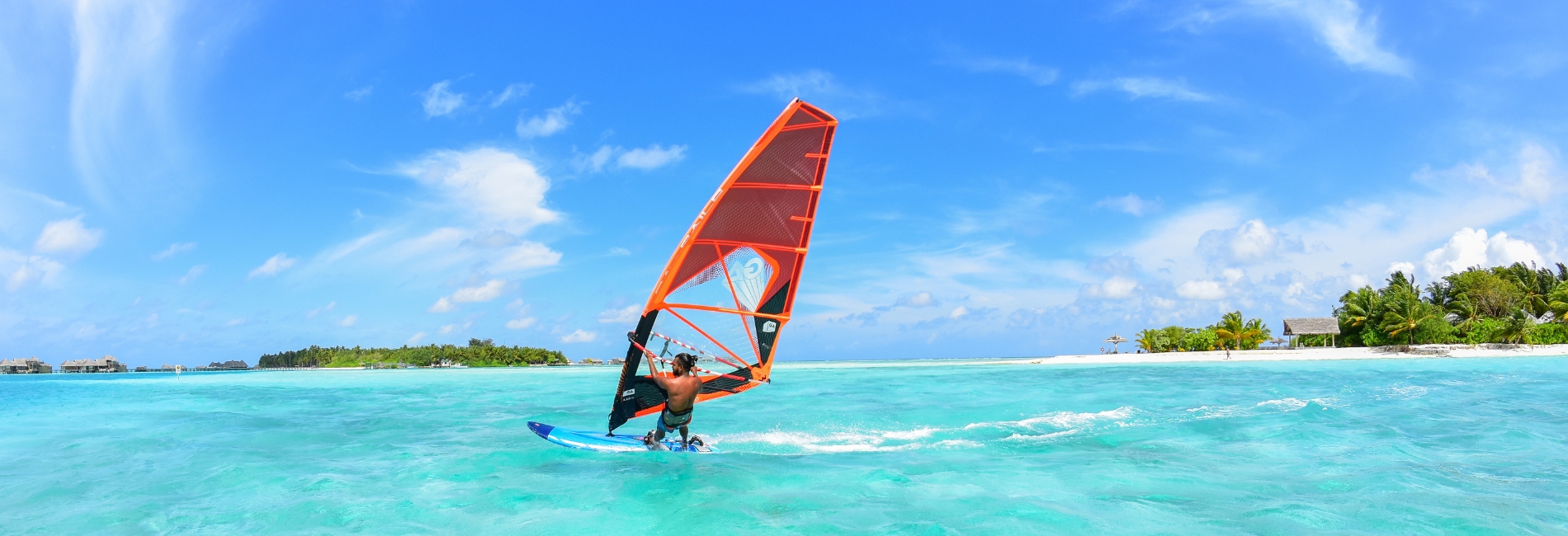
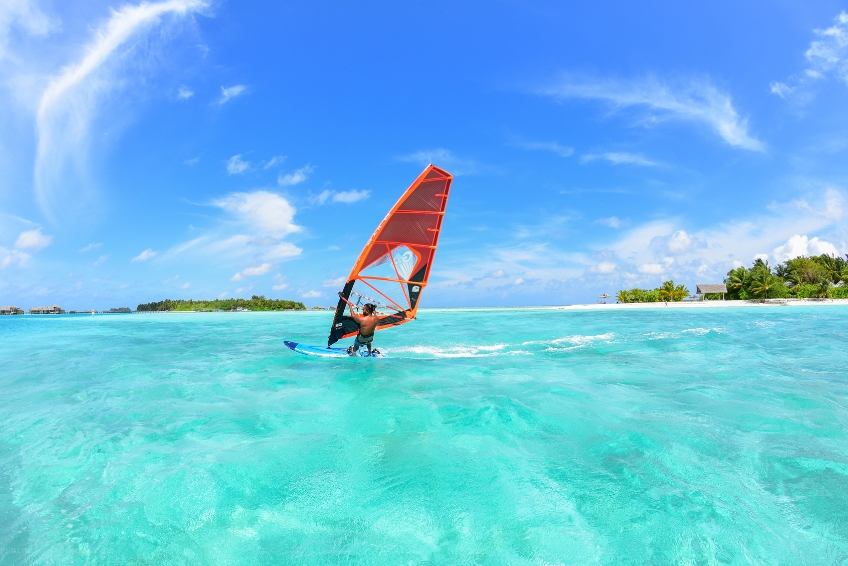
The sea reaches its warmest temperature of about 83°F (28.5°C), creating perfect conditions for extended water activities. Morning snorkeling sessions at Arashi Beach or Boca Catalina reveal abundant marine life in crystal-clear waters. The afternoon winds provide ideal conditions for novice windsurfers, with many schools offering discounted lesson packages during this quieter season.
July’s reduced crowds transform popular attractions like De Palm Island and Renaissance Island into peaceful retreats. The Casibari Rock Formation trails offer stunning sunrise views without the usual photographers’ crowd, while the Natural Pool in Arikok National Park becomes more accessible with shorter wait times for guided tours.
Try your hand at windsurfing with this Private Windsurfing Lesson.
Check out the beautiful natural pools at Arikok National Park with this Ultimate Island Jeep Safari to Natural Pool with Lunch, or this Thrill Seekers: Aruba UTV Tour & Cliff Jump at Natural Pool.
Want to avoid the crowds? Check out this top rated Natural Pool Sunrise Hike & Swimming Tour.
Aruba in August
August maintains the laid-back summer atmosphere of Aruba, with temperatures matching July’s range of 82-91°F (28-33°C). The trade winds continue their reliable presence, though they occasionally soften, creating periods of greater warmth. Brief afternoon showers become slightly more frequent but rarely last longer than 15-20 minutes, offering a refreshing break from the sunshine.
The island celebrates youth during this month with the International Youth Day festivities, featuring sports competitions, beach games, and cultural performances. Local communities organize small food festivals, offering visitors authentic tastes of Aruban cuisine.
While still in the off-season, August sees a slight increase in visitors compared to July, particularly European travelers enjoying their summer holidays. Despite this minor uptick, the island maintains its relaxed pace, with minimal wait times at restaurants and attractions. Many tour operators continue offering summer rates, making this an excellent time for activities like deep-sea fishing, sailing trips, and island tours.
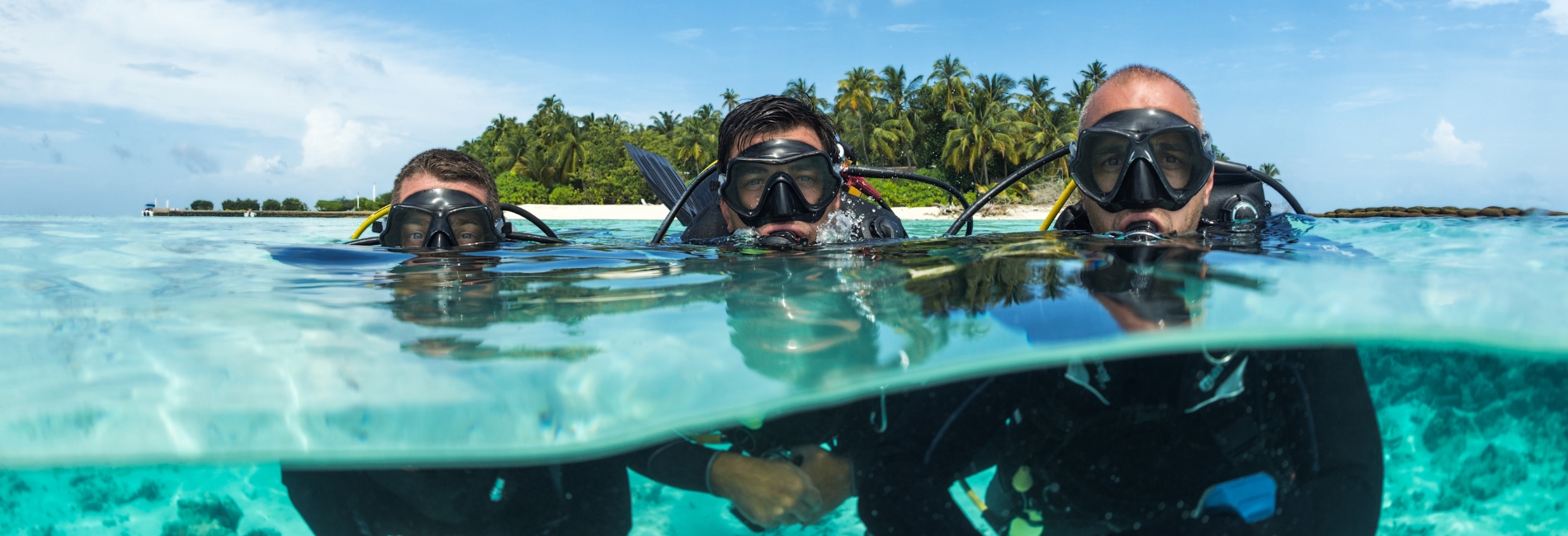
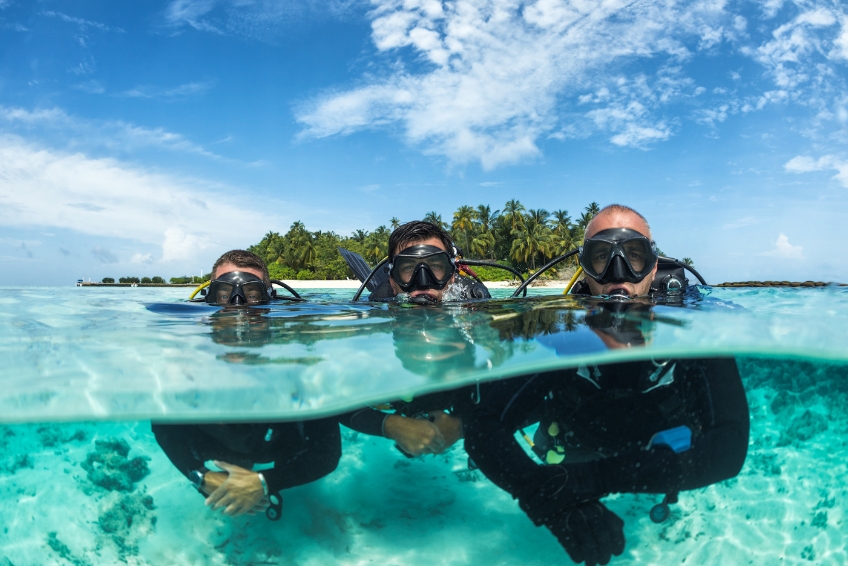
The warm sea temperatures persist around 84°F (29°C), perfect for water activities. The slightly calmer winds create ideal conditions for beginning scuba divers, with excellent visibility at sites like the Pedernales Wreck and Mike’s Reef. Morning kayak tours through the mangroves near Mangel Halto offer peaceful wildlife viewing opportunities.
Hotel rates remain attractive, though slightly higher than July. Consider exploring accommodations in the Savaneta area, where local fishing boats bring in fresh catches daily, or the Eagle Beach area, which offers a perfect balance of amenities and tranquility during this quieter season.
Explore the mangroves Aruba on this top rated Aruba Glass Bottom Kayak Tour through the Mangrove Forest or this Kayak Tour At Mangel Halt and Spanish Lagoon.
Aruba in September
September heralds subtle changes to Aruba’s seasonal rhythm, with temperatures ranging from 81-91°F (27-33°C). The trade winds maintain their steady presence, though they occasionally intensify as the month progresses. While technically part of the Caribbean’s hurricane season, Aruba’s location outside the hurricane belt means the island typically experiences only increased cloud cover and passing showers rather than severe weather.
Aruba sits just 12 degrees north of the equator, placing it safely at the southern fringe of the Caribbean hurricane belt. The last significant hurricane-related weather was from Hurricane Felix in 2007, which passed to the north with only minor effects. This makes September a surprisingly safe and affordable time to visit.
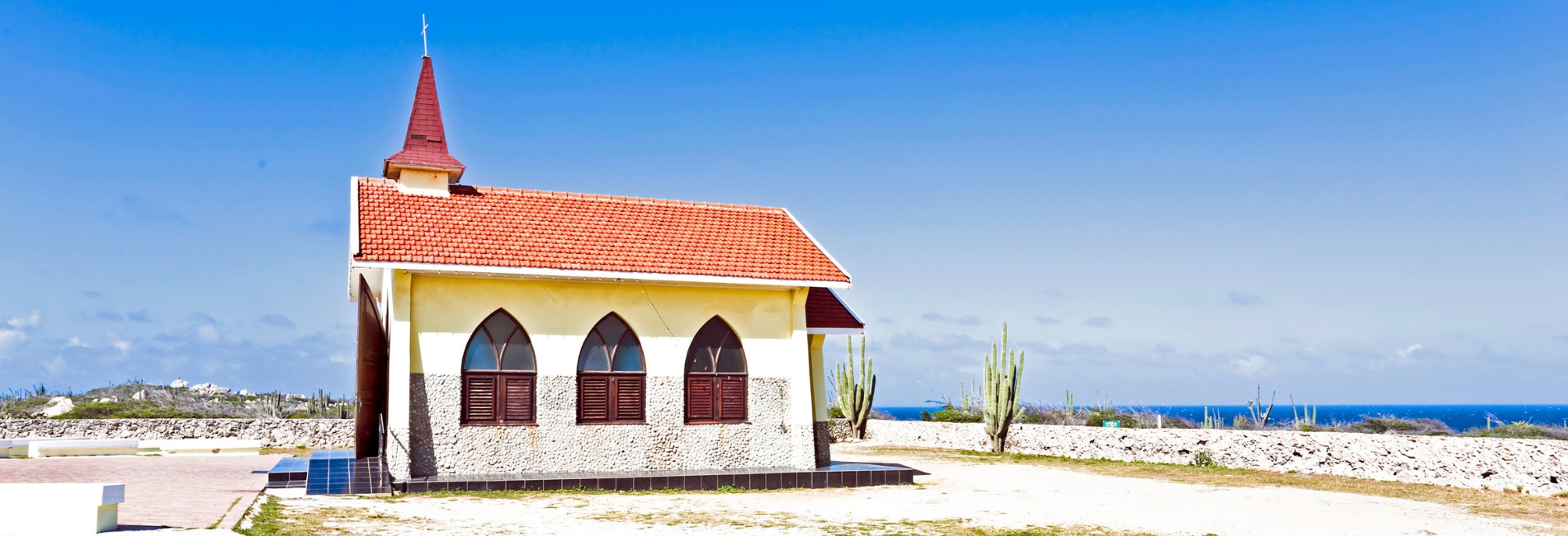
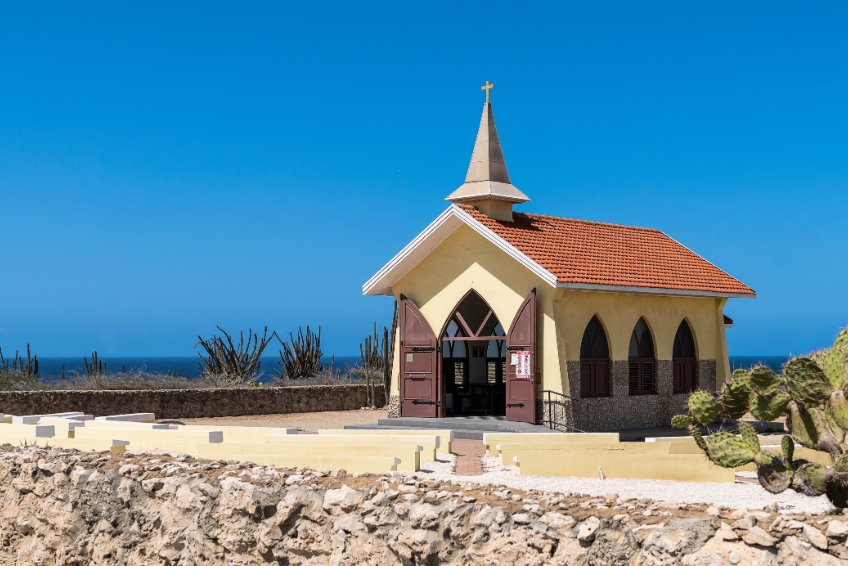
This month brings a unique energy as locals return from summer travels and prepare for the upcoming high season. . The island celebrates its cultural heritage on September 15th with International Monuments Day, featuring special exhibitions and guided tours at historical sites like the Alto Vista Chapel and the Bushiribana Gold Mill Ruins. The Aruba Art Fair usually occurs in late September, transforming San Nicolas into an open-air gallery featuring local and international artists.
Tourism remains relatively quiet, creating perfect conditions for exploring the island’s hidden gems. The protected coves along the southeastern coast offer exceptional snorkeling opportunities, with water temperatures at their warmest, around 84-85°F (29°C). The afternoon winds begin to strengthen, attracting windsurfing enthusiasts to Hadikurari Beach for the early competitive season.
Hotel rates continue at their off-season levels, though some properties begin preparing for the upcoming high season with renovations and upgrades. This makes September an excellent time to explore boutique accommodations in areas like Pos Chiquito or Paradera, where you’ll find authentic Aruban hospitality away from the main tourist districts.
Local restaurants often use this quieter period to showcase new menu items and seasonal specialties. Eduardo’s Beach Shack on Palm Beach and other local eateries maintain shorter wait times, allowing for a more relaxed dining experience.
Check out the best sites in Aruba in September with this Aruba Countryside Tour or this Aruba Island Sightseeing Tour that visits Alto Vista Chapel and Casibari Rock Formation.
Aruba in October
October marks a transitional period in Aruba, as the island prepares for the upcoming high season. Temperatures maintain a pleasant range of 81-90°F (27-32°C), while the trade winds begin to establish their more vigorous winter pattern. Brief passing showers become less frequent as the month progresses, and humidity levels gradually decrease, creating increasingly comfortable conditions for outdoor activities.
Local communities celebrate the harvest season with smaller food festivals and cultural events, offering visitors authentic glimpses into Aruban traditions. The annual Eat Local Restaurant Week typically occurs in October, with participating restaurants offering special prix-fixe menus highlighting traditional Aruban cuisine.
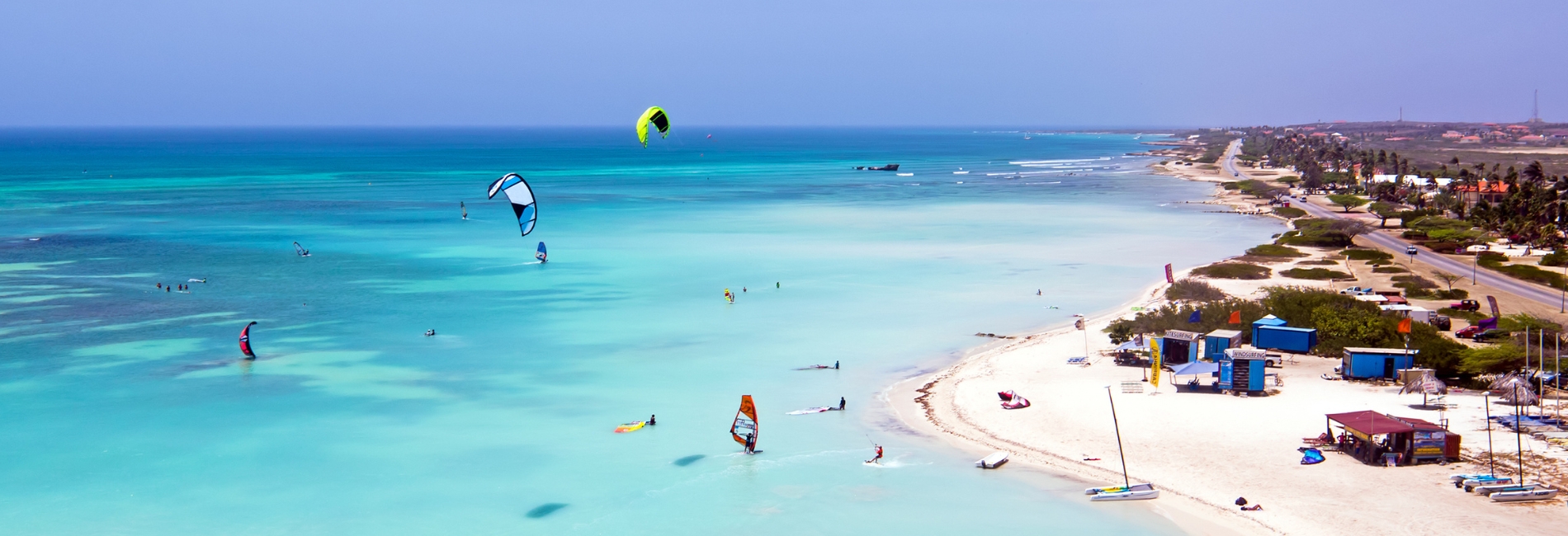
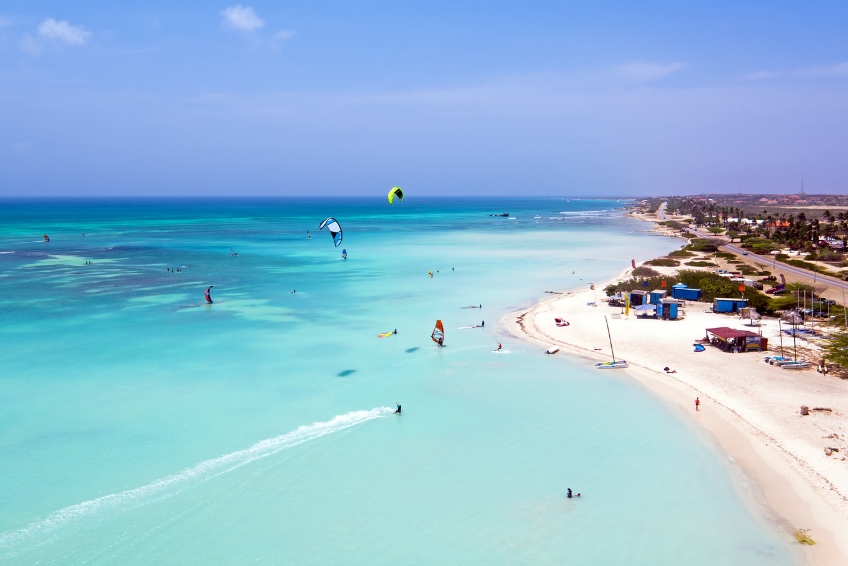
Tourism begins to pick up gradually, though the island still maintains its off-season charm. Popular attractions like the Antilla Wreck dive site and the Natural Pool see increased activity but remain easily accessible. The strengthening trade winds create perfect conditions for water sports, particularly at Fisherman’s Huts and Boca Grandi, where kitesurfing and windsurfing enthusiasts gather for the excellent conditions.
Water temperatures hold steady around 84°F (29°C), ideal for swimming and snorkeling. Morning hours offer particularly calm conditions at sites like Mangel Halto and Tres Trapi, where sea turtles and tropical fish are frequently spotted in the crystal-clear waters.
Accommodation rates begin their gradual climb toward high-season prices, though many properties still offer shoulder-season packages. Consider exploring stays in the Noord area or along Eagle Beach, where you can enjoy premium locations without peak-season premiums. Local tour operators continue offering competitive rates, making October an excellent time for island exploration and adventure activities.
Discover the underwater world with turtles at Tres Trapi on this fantastic Turtle Snorkeling Tour.
Aruba in November
November signals the beginning of Aruba’s high season as winter travelers seek the island’s predictable sunshine. Temperatures settle into an ideal range of 79-90°F (26-32°C), while the trade winds establish their stronger winter pattern, creating refreshing breezes across the island. Rainfall becomes increasingly rare, though occasional brief showers might pass quickly through, leaving behind rainbows against the azure sky.
The island embraces the holiday spirit early in November with the arrival of Sint Nicolaas (Sinterklaas). The arrival parade typically occurs mid-November, bringing Dutch holiday traditions to the streets as St. Nicholas arrives by boat to greet children and families.
Carnival season also begins in November! The festivities kick off on November 11th with special events, marking the start of months of celebrations leading up to the grand parades in late February and early March.
The island embraces a festive atmosphere as it celebrates its national identity during the Aruba National Flag & Anthem Day on November 18th. This cultural celebration features traditional music, dance performances, and local food festivals across the island. The streets of Oranjestad come alive with parades, while communities gather for traditional games and storytelling sessions that share Aruba’s rich history.
Tourism steadily increases throughout the month as North American and European visitors begin arriving for winter escapes. While early November maintains a relatively relaxed pace, the latter half sees growing activity, particularly around the American Thanksgiving holiday. Popular beaches like Eagle Beach and Palm Beach become progressively busier, though they never feel overwhelmed thanks to their expansive shorelines.
The strengthening trade winds create perfect conditions for water sports enthusiasts, particularly at locations like Hadicurari Beach, where windsurfers and kiteboarding aficionados gather. Morning hours offer ideal conditions for snorkeling at Boca Catalina or diving around the shipwrecks, with water temperatures holding steady at a comfortable 81°F (27°C).
Hotel rates begin their climb toward peak season prices, though early November still offers some shoulder season values. Many resorts introduce their winter programming, including beach BBQs, cultural nights, and water sport activities. Local restaurants extend their hours and often introduce seasonal menus featuring both traditional Aruban dishes and international cuisine.
Or explore the Antilla Wreck with this Antilla Shipwreck and Catalina Bay Snorkel Sail tour or this fun Antilla Shipwreck Seabob Tour.
Aruba in December
December transforms Aruba into a unique blend of Caribbean paradise and holiday magic. Temperatures maintain their perfect range of 78-88°F (26-31°C), while the trade winds provide consistent cooling breezes. The weather settles into its most reliable pattern, with nearly constant sunshine and extremely rare precipitation, creating ideal conditions for beach activities and outdoor celebrations.
The island embraces a distinctive holiday atmosphere, combining traditional Aruban celebrations with international festivities. The Sinterklaas Feast Day on December 5th brings Dutch holiday traditions to families across the island, while the nightly Gaita bands perform Venezuelan-inspired Christmas music throughout the island. The Dande singers begin their traditional house-to-house visits around Christmas, performing blessing songs that continue through January 6th (Three Kings Day), while local homes and businesses display both traditional Caribbean and European-inspired holiday decorations.
Tourism reaches its first peak of the high season, particularly during the Christmas and New Year period. The island’s infrastructure handles the increased activity smoothly, though dinner reservations and special activity bookings become essential. Many visitors develop a rhythm of early morning beach time, afternoon shopping or cultural activities, and evening celebrations.
Water conditions remain excellent, with temperatures around 80°F (26.5°C). The consistent trade winds create perfect conditions for sailing and windsurfing, while protected coves like Baby Beach and Mangel Halto offer calm waters for swimming and snorkeling. Early morning hours provide the best opportunities for water activities before the beaches become livelier.
Hotel rates reach their premium levels, especially during the final two weeks of the month. Resorts offer special holiday programs, including festive dinners, children’s activities, and New Year’s celebrations. Local restaurants create special holiday menus that blend traditional Aruban dishes with international holiday favorites. The island’s atmosphere becomes particularly magical in the evenings, with holiday lights reflecting off the Caribbean waters and live music filling the air.
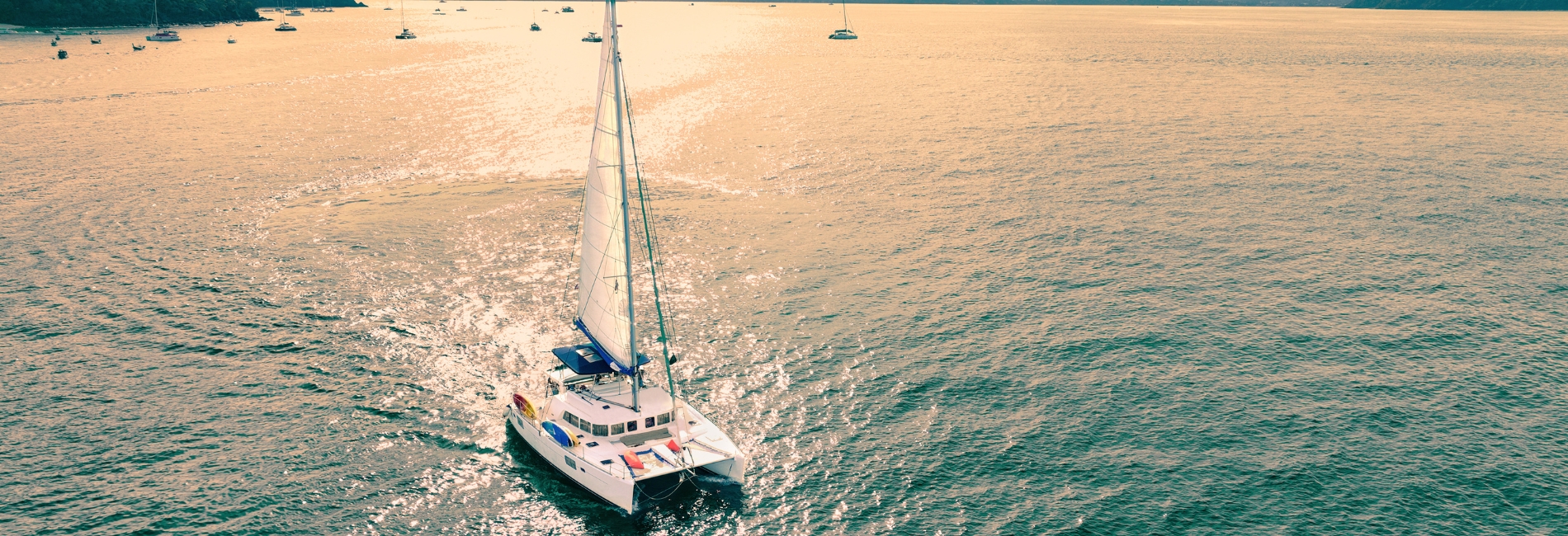
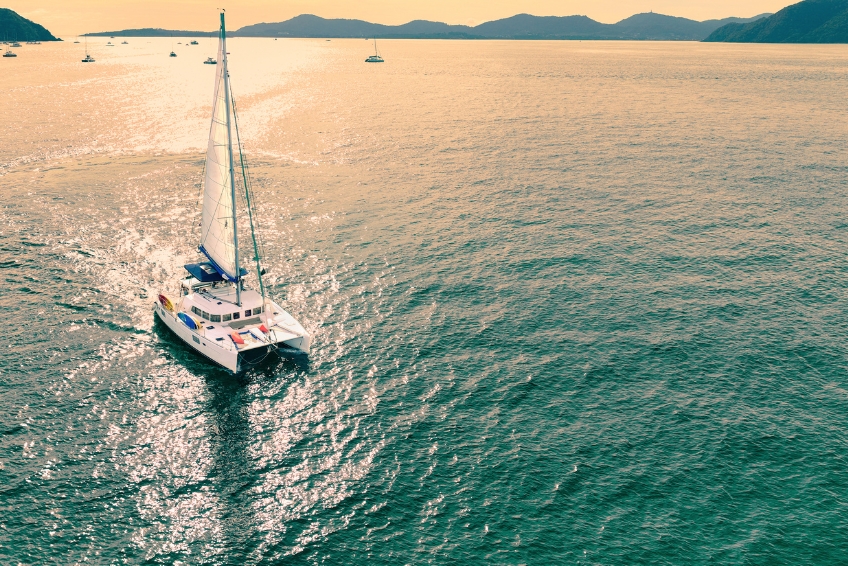
Sit back and relax on a beautiful sail around the turquoise waters of Aruba with this Aruba Morning Snorkel Sail and Mimosa Brunch or this luxurious Aruba Lagoon Cruise with onboard Chef and Signature Cocktails.
More
CARIBBEAN
Islands, Beaches, Cuisine and More

Aruba All Inclusive Resorts Guide
Aruba has a wide selection of excellent all inclusive resorts including 5-star luxury, family friendly, adults only and budget friendly options. Here is our guide to the best Aruba all inclusive resorts!
Aruba Snorkeling Guide
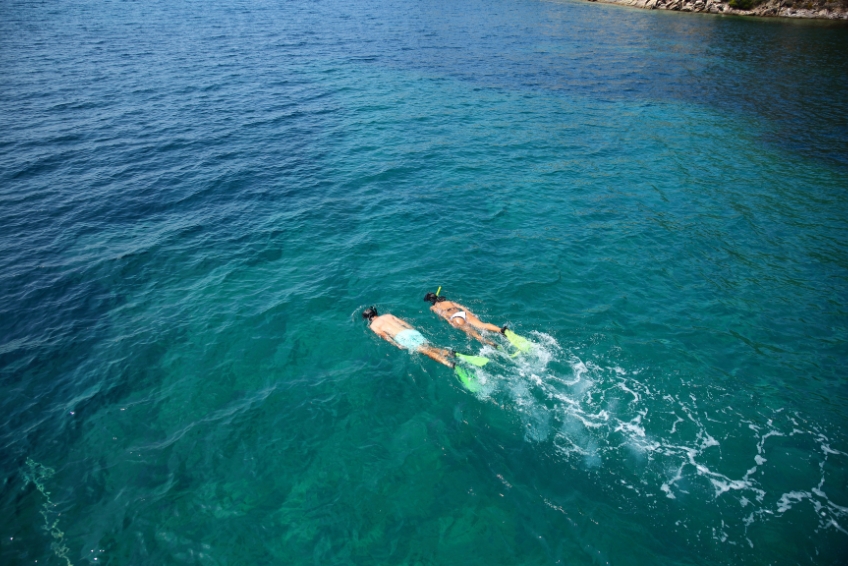
From crystal clear waters and exotic sea life to vibrant reefs and fascinating shipwrecks, Aruba offers unforgettable aquatic adventures for all experience levels. Our guide will give you an insider’s look at the best snorkeling sites in this stunning Caribbean paradise.
Aruba Visitors Guide
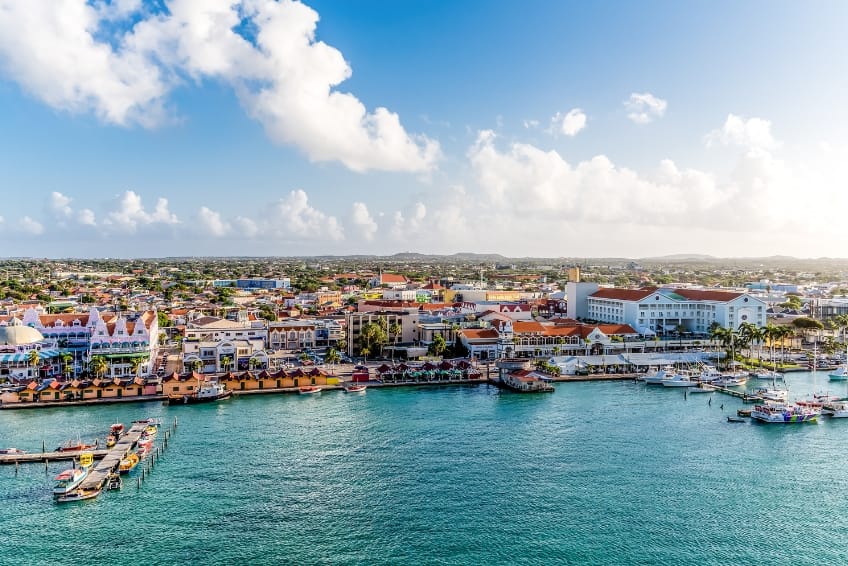
Aruba is a fantastic mix of cultures, natural beauty and delicious cuisine. Whether you want to relax on the beach sipping cocktails or explore the history of the island, Aruba has something for everyone. Come find out just what this tropical paradise has to offer!
Aruba Restaurant Guide
Aruba is a small slice of paradise in the Caribbean and is filled with various restaurants and cuisine options to suit any traveler. From budget-friendly ‘mom and pop’ restaurants to high-end mouthwatering dishes, it’s hard to go hungry in Aruba.
Aruba Beaches Guide
Aruba beaches are some of the best in the world. The white sand of Aruba beaches is famous and the Caribbean waters are always clear which makes it easy to see tropical fish and other marine life. Here are the best beaches in Aruba!

Aruba Hotel Guide
Located in the southern Caribbean, Aruba is an island paradise with idyllic year round weather. So, regardless of whether you are looking to go snorkeling, shopping or just relax, there’s a place for everyone. Here are the best hotels in Aruba!
Aruba Beach Hotels Guide
Aruba has exceelent accomodations for visitors of all types. Check out our list the top aruba hotels on the beach including hotels on Palm Beach, Eagle Beach, Flamingo Beach and Malmok Beach in Aruba.
The Best Caribbean All Inclusive Resorts
Choosing the best Caribbean all inclusive resort for your needs can be challenging. In this article, we’ll tell you our top choices in each country and help you plan the most fantastic holiday imaginable.

Bahamas Visitors Guide
The Bahamas has something for everyone, whether you’re a single wanting to get away, a couple needing quality time to connect, or a family seeking adventure. With 700 islands and 2,500 cays, the opportunities are endless!

Jamaica Waterfalls Guide
Jamaica is home to some of the most famous waterfalls in the Caribbean. From towering cascades to gentle streams, there’s a waterfall for every taste. Here is our guide to the best waterfalls Jamaica has to offer.
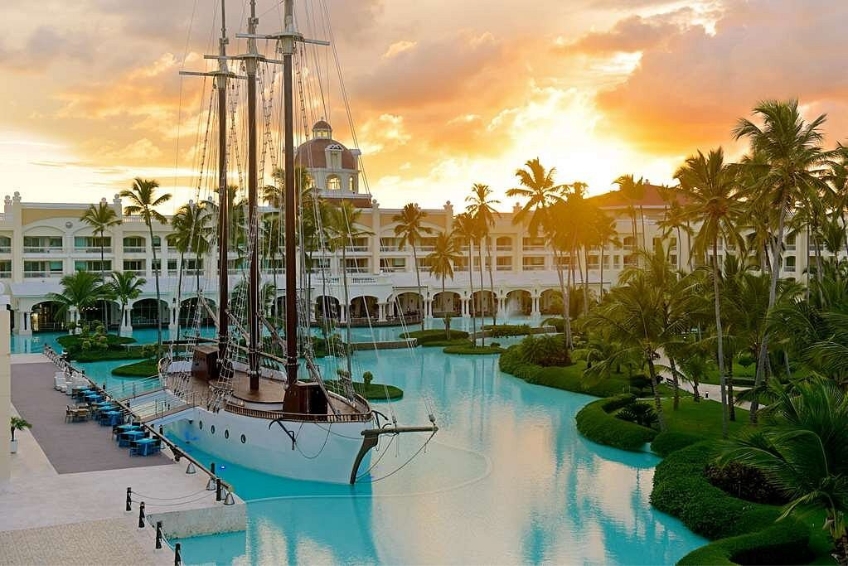
Punta Cana All Inclusive Resort Guide
As one of the Dominican Republic’s premiere resort destinations, it’s no wonder that travelers flock to Punta Cana and its endless miles of beaches. Find your ideal vacation getaway with our list of the best Punta Cana all inclusive resorts.

The Best U.S. Virgin Islands All Inclusive Resorts
The U.S. Virgin Islands has everything you could desire for a perfect tropical getaway; a warm climate, sparkling blue waters and friendly locals. Here are the best St. Thomas, St. John and St. Croix all inclusive resorts that you should definitely look into.