
The 7 Best St. Lucia Rainy Day Activities
 Daniel Mode
Daniel Mode
Daniel Mode Laura Schulthies
Laura Schulthies
Laura SchulthiesWhen tropical showers sweep across St. Lucia, they create perfect opportunities to explore the island’s exceptional indoor experiences. The occasional rainy day shouldn’t interrupt your Caribbean adventure, and St. Lucia offers world-class spas, authentic cooking experiences, artisan studios, and cultural attractions that shine regardless of weather conditions. These seven activities transform rainy days from disappointments into highlights, providing meaningful connections to island culture while keeping you comfortable and dry.
This article contains affiliate links. If you click on our links, we may earn a small commission at no extra cost to you. This helps us continue to offer free travel guides, but does not influence our recommendations in any way. Thanks for supporting independent travel content.
Contents
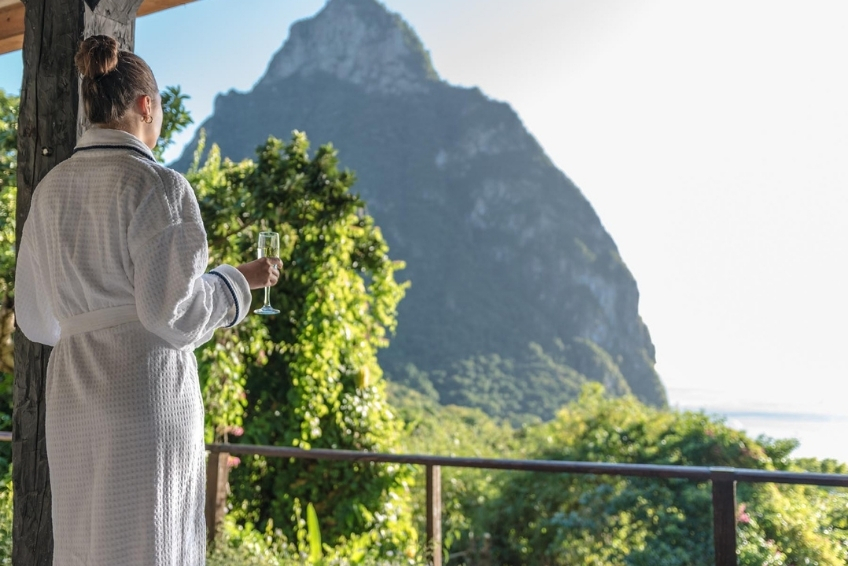
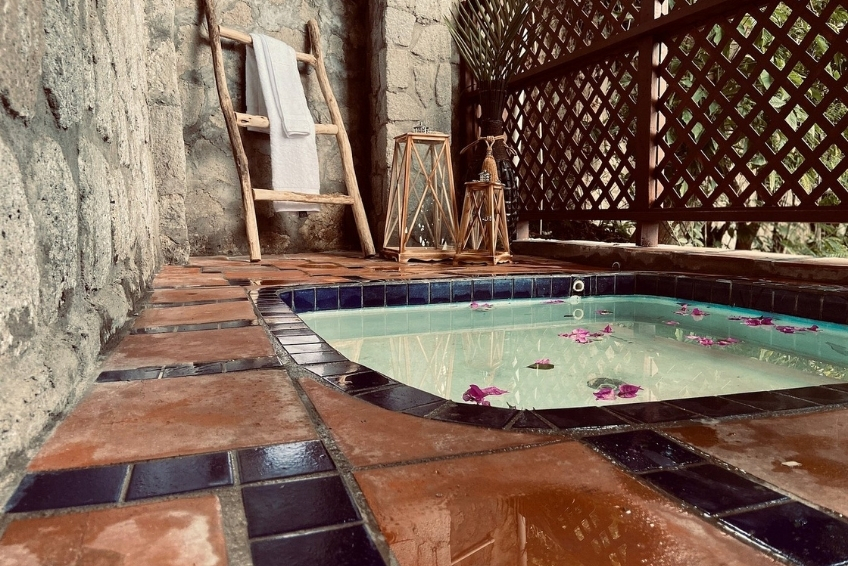
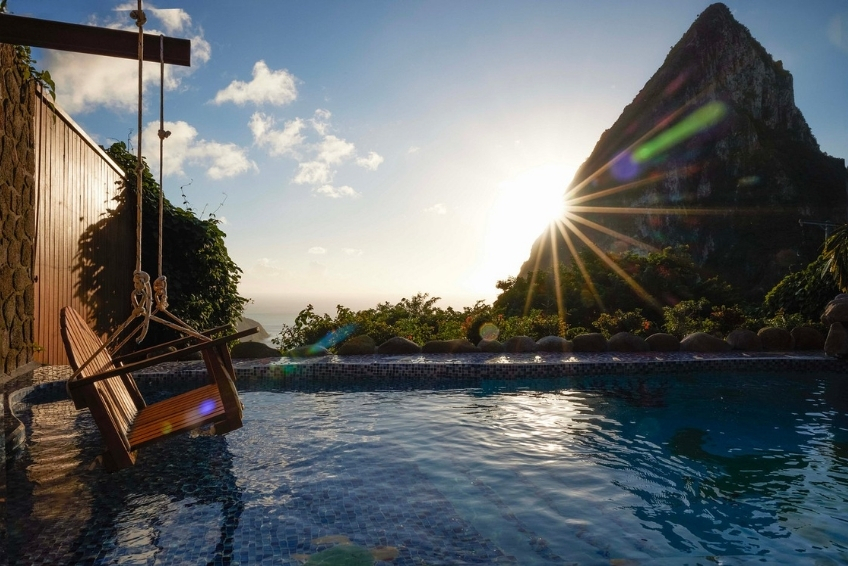
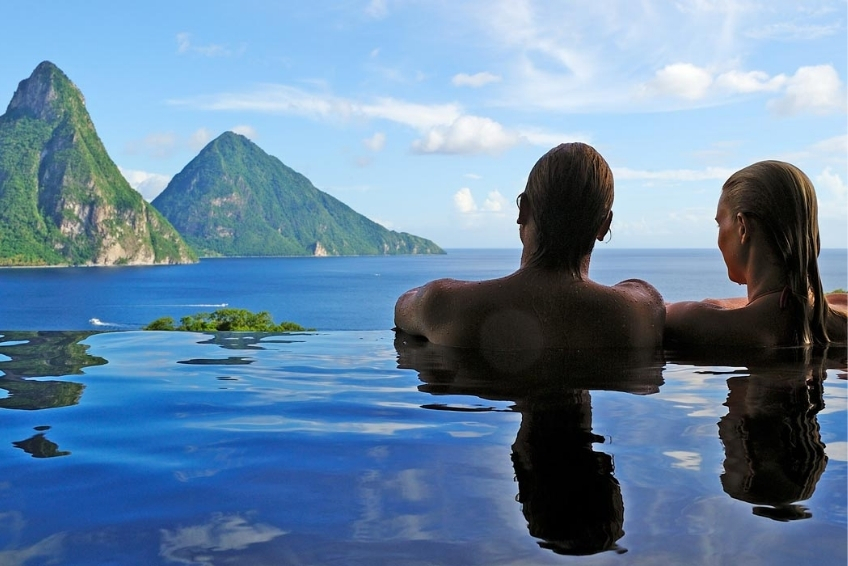
click to see more images
1. Luxury Spa Experiences at World-Class Wellness Centers
St. Lucia’s spa culture rivals any destination globally, with wellness centers that harness volcanic minerals, tropical botanicals, and centuries-old healing traditions. When rain keeps you off the beach, surrendering to expert therapists in serene environments becomes the perfect alternative, turning weather challenges into opportunities for profound relaxation and rejuvenation.
Details at a Glance:
- Location: Island-wide at resort spas; top facilities in Rodney Bay, Cap Estate, and Soufriere
- Our top choice for comprehensive wellness: BodyHoliday in Cap Estate
- Duration: 50-90 minutes for individual treatments, full day for spa packages
- Price range: $90-250 USD for signature treatments, packages $300-600 USD
- Best for: Couples massages, volcanic mud treatments, holistic wellness programs
- Operating hours: Vary by property (typically 8:00 AM – 6:00 PM); confirm when booking
- Advance booking: Essential during peak season (December-April)
- Unique feature: Many spas incorporate St. Lucian volcanic minerals and local botanicals
The Wellness Experience
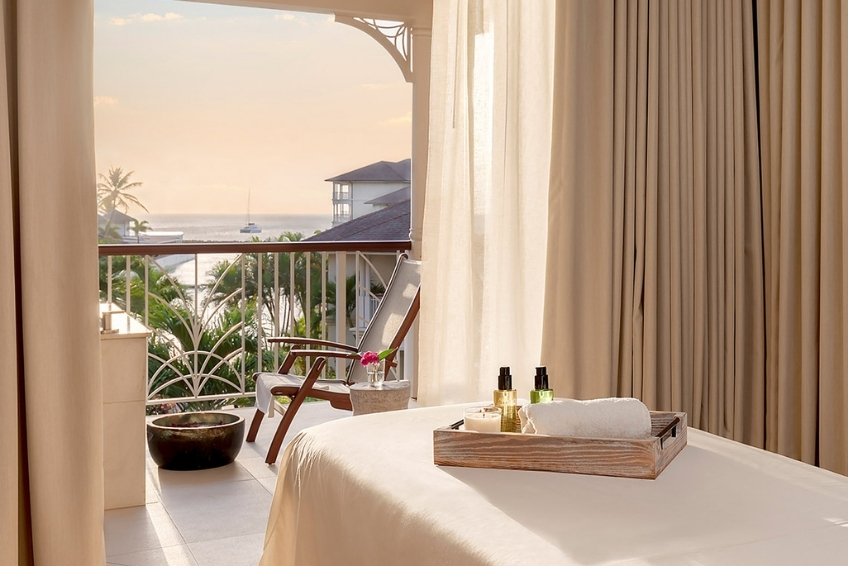
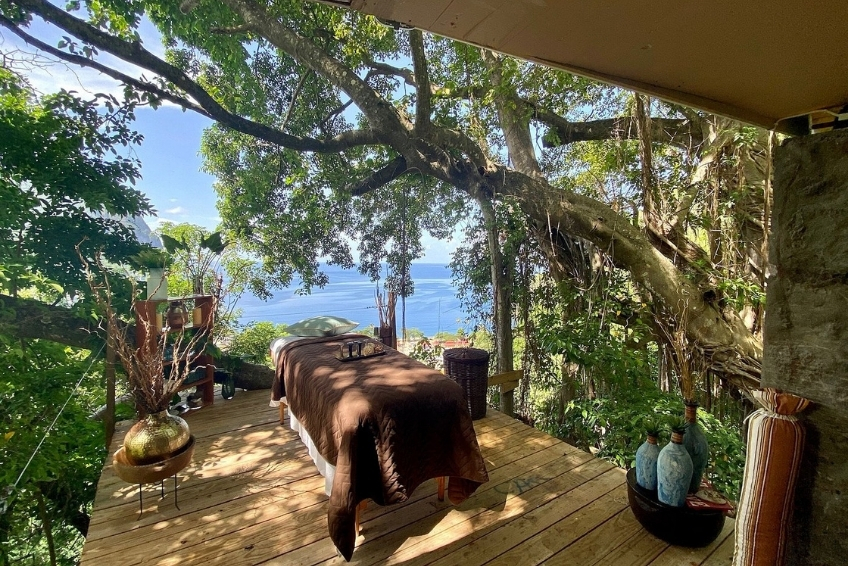
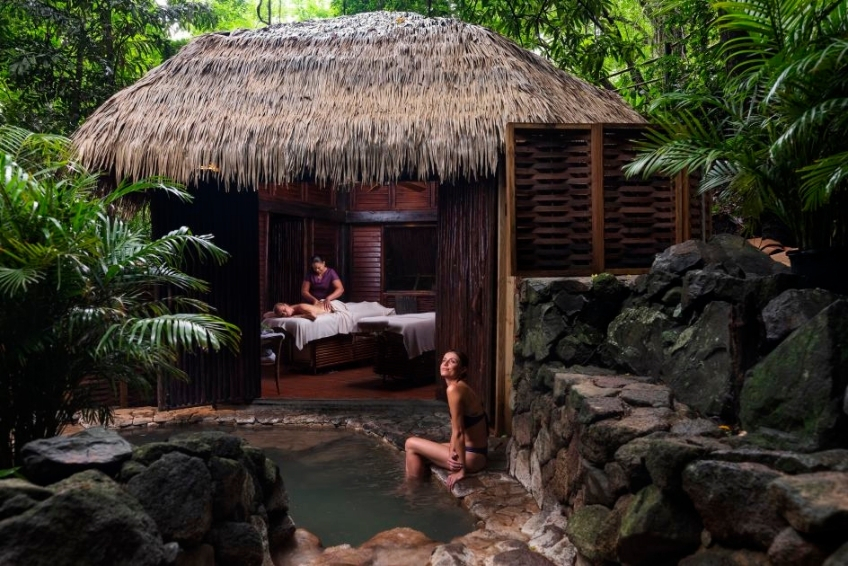
St. Lucia’s premier wellness centers combine natural Caribbean beauty with cutting-edge spa technology. Many facilities feature open-air treatment rooms where you enjoy massages while listening to rainfall in tropical gardens, creating an immersive sensory experience impossible to replicate in enclosed spaces. The volcanic heritage of the island provides unique therapeutic opportunities through mineral-rich mud baths, sulphur-infused treatments, and geothermal therapies that harness the earth’s natural healing properties.
The island’s top spas offer signature treatments using locally sourced ingredients. Volcanic mud wraps incorporate minerals from Soufriere’s famous drive-in volcano, while coconut and cocoa-based scrubs utilize organic ingredients from island plantations. These treatments connect you directly to St. Lucia’s geological and agricultural heritage while delivering measurable wellness benefits. The humid tropical climate actually enhances many spa experiences, as treatments designed for Caribbean conditions work optimally during the rainy season.
Comprehensive Wellness Programs
Several resorts have developed full wellness programs that extend far beyond traditional spa services. These integrated approaches combine therapeutic treatments with yoga, meditation, fitness classes, and nutrition counseling to create transformative experiences. Programs range from half-day wellness journeys to week-long retreats that address specific health goals. The rainy season provides ideal conditions for these intensive programs, as cooler temperatures and reduced crowds create peaceful environments conducive to deep relaxation and personal transformation.
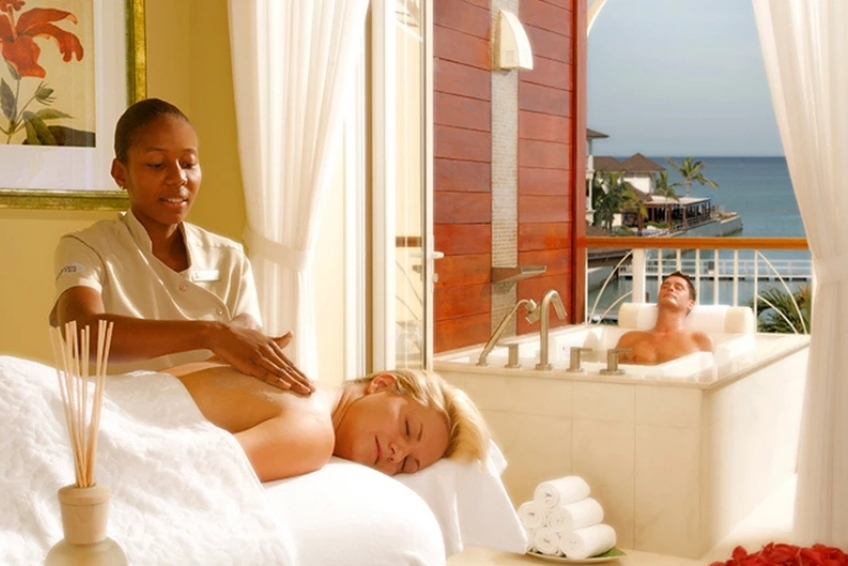
Hydrotherapy features prominently in many spa menus, utilizing mineral baths, contrast showers, and water-based treatments that complement the tropical climate. Some facilities offer traditional Caribbean bush medicine consultations alongside modern spa services, blending ancient healing knowledge with contemporary wellness science. Couples’ treatments in private suites provide romantic rainy-day experiences, while group wellness classes build community among guests seeking similar health objectives.
Specialized Treatments
The Landings Resort advertises the Caribbean’s only female-focused spa program, operating daily from 8:00 AM to 6:00 PM. This specialized approach offers treatments specifically designed to address hormonal balance, menopause symptoms, postpartum recovery, and other women’s health concerns. This pioneering approach combines medical knowledge with therapeutic spa treatments to create clinically effective wellness experiences. Other resorts offer specialized programs including oncology aesthetics, sports recovery treatments, and age-management therapies that go far beyond typical spa offerings.
Ayurvedic treatments have gained popularity at several St. Lucian wellness centers, with practitioners trained in traditional Indian healing arts. These comprehensive programs assess your unique constitution before creating personalized treatment plans combining massage, herbal remedies, and dietary recommendations. The integration of Eastern wellness philosophies with Caribbean natural resources creates distinctive healing experiences unavailable elsewhere.
Practical Considerations
Most resort spas welcome non-guests by reservation, though some smaller facilities prioritize hotel visitors during peak periods. Advance booking proves essential for popular treatments and prime time slots, especially during December through April when demand peaks. Many spas offer rainy day packages with discounted rates on multiple services, making weather interruptions financially advantageous for wellness enthusiasts. Transportation arrangements may be necessary for spa visits outside your accommodation area, though many facilities provide shuttle services for treatment appointments.
Island Life Tips: We suggest booking spa treatments for late morning or early afternoon during the rainy season, when tropical showers most commonly occur. Many spas offer complimentary access to hydrotherapy facilities, steam rooms, and relaxation lounges when you book treatments, so arrive early to maximize your experience. For the most authentic St. Lucian wellness experience, request treatments incorporating local volcanic mud, bay rum, or cocoa-based products rather than international brands.
click to see more images
2. Authentic Creole Cooking Classes with Local Chefs
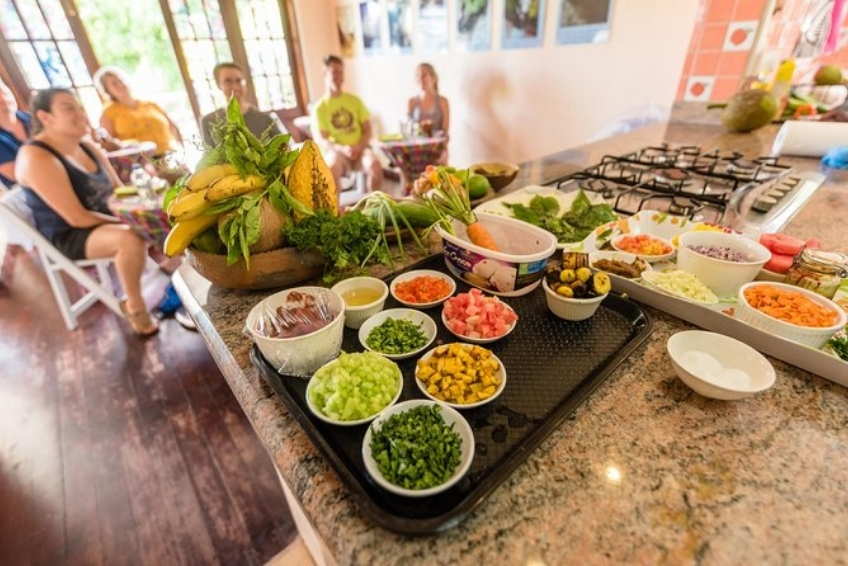
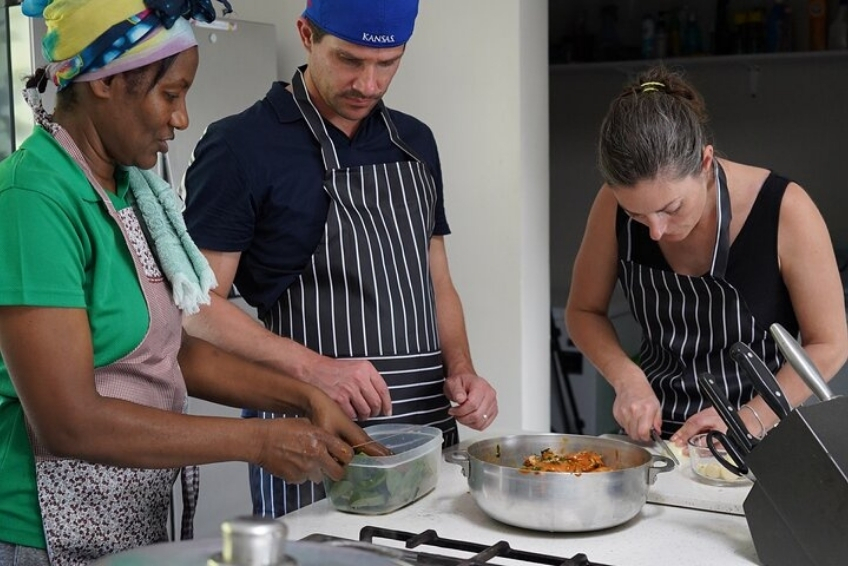
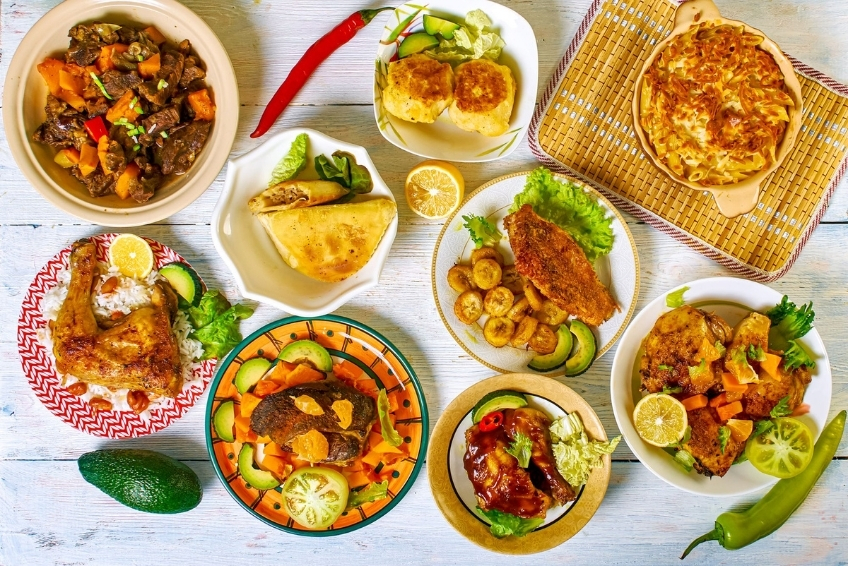
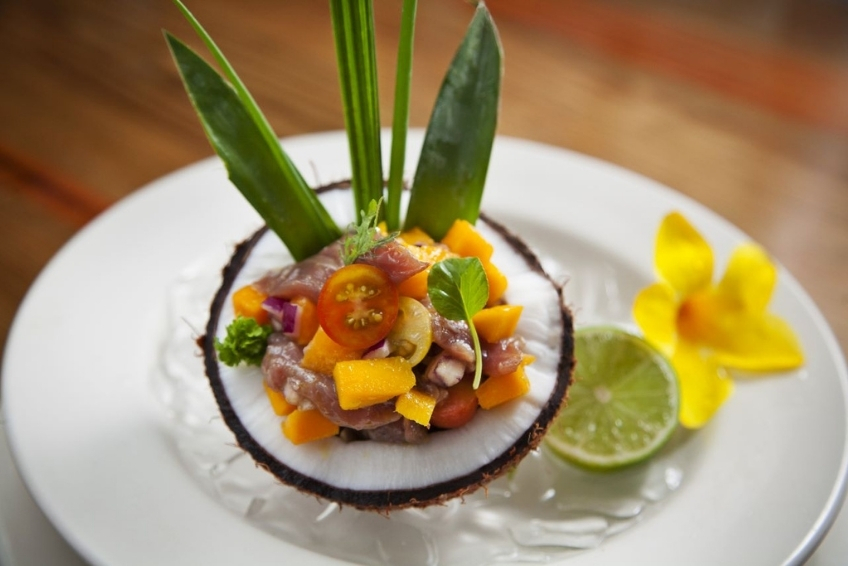
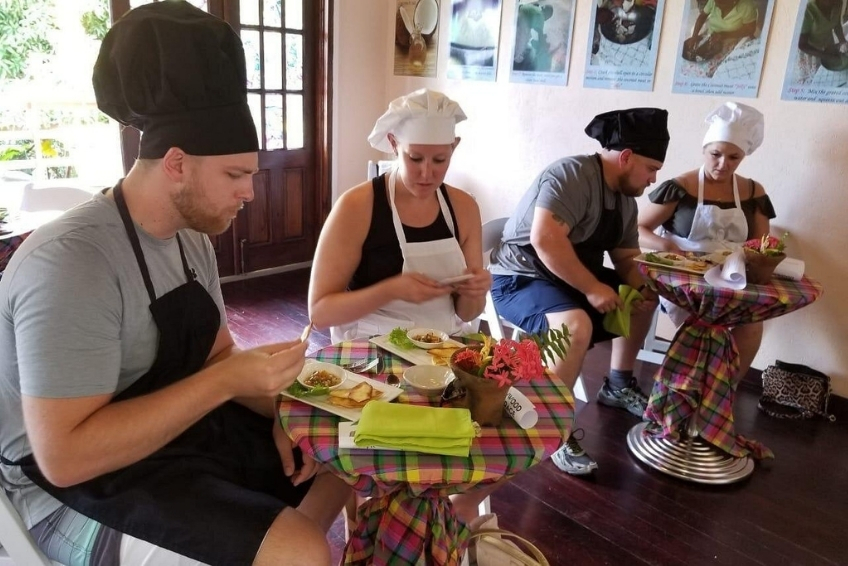
St. Lucian cuisine tells the island’s complex cultural story through dishes blending African, French, British, and indigenous Caribbean influences. Cooking classes provide hands-on cultural education while keeping you comfortably indoors, teaching traditional techniques and flavor combinations that define contemporary St. Lucian food culture. These intimate experiences transform rainy afternoons into delicious adventures.
Details at a Glance:
- Location: Primarily Castries area and northern villages; some offerings in the Soufriere region
- Duration: 3-4 hours including preparation, cooking, and dining
- Price range: $100-130 USD per person including meal (rates vary by operator)
- Group size: Typically 6-12 participants for optimal instruction
- Age requirements: Most require participants to be 8+ for hands-on involvement
- Skill level: Designed for beginners, no experience necessary
- Includes: All ingredients, recipes to take home, a full meal
- Best time: Morning classes (10:00 AM start), avoid afternoon showers
- Unique feature: Market tours and herb garden visits are often included
The Culinary Experience
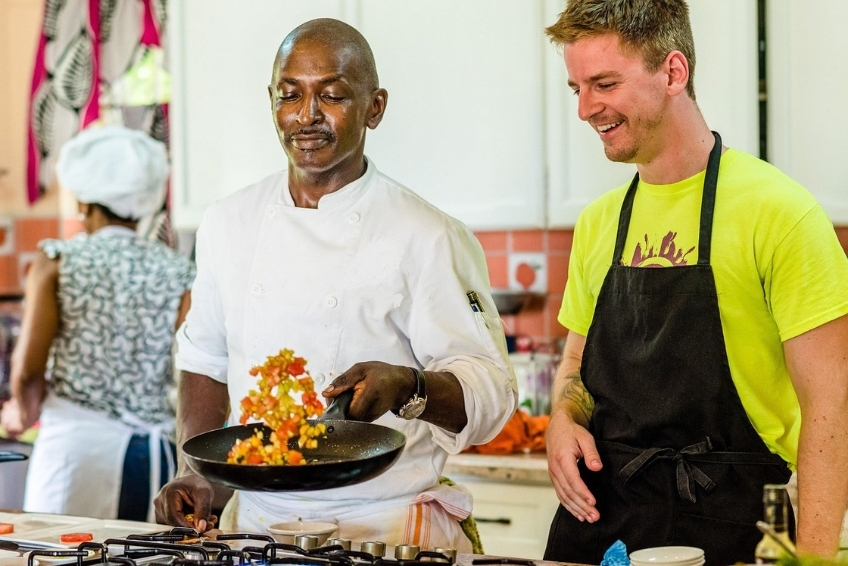
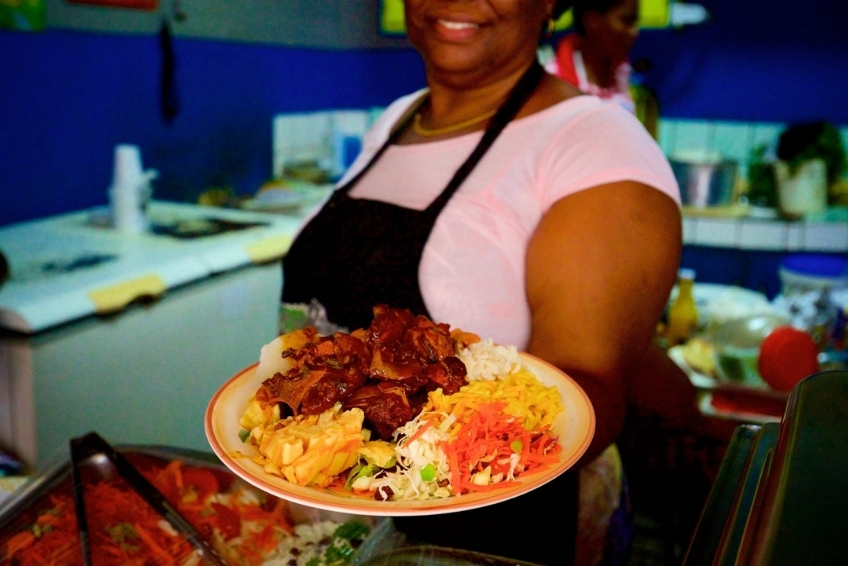
Authentic St. Lucian cooking classes begin with education about the island’s signature ingredients. You’ll learn why green figs (actually green bananas) became the national dish when paired with saltfish, understand how West African cooking techniques adapted to available Caribbean ingredients, and discover the essential “seven secret ingredients” that appear in virtually every St. Lucian kitchen. Professional chefs demonstrate traditional preparation methods passed down through generations, from proper green seasoning mixing to achieving the ideal consistency for accras (saltfish fritters).
Hands-on participation means you’ll actually prepare dishes rather than simply observing demonstrations. Small class sizes ensure individual attention as you learn knife skills for processing provisions (root vegetables), practice proper technique for making roux-based Creole sauces, and master the art of seasoning that gives St. Lucian food its distinctive flavor profile. The interactive format encourages questions and cultural exchange, as chefs share family stories and historical context alongside cooking instruction.
Traditional Dishes and Techniques
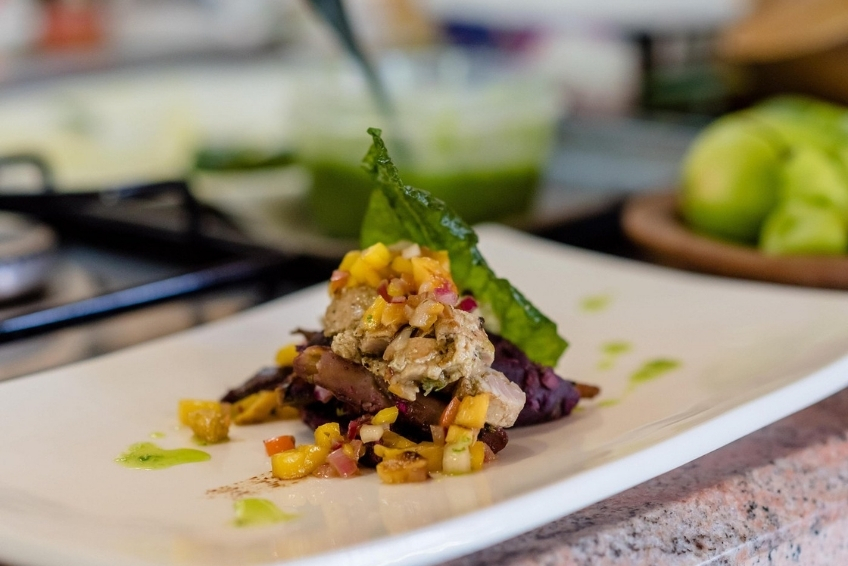
Most classes focus on preparing a complete three-course Creole meal. You might make callaloo soup using dasheen leaves gathered from local gardens, prepare creole fish or chicken with traditional sauce techniques, and finish with paimé (a banana-based dessert) served with vanilla ice cream. The experience includes learning to work with unfamiliar ingredients like christophene (chayote squash), breadfruit, and various ground provisions that sustained Caribbean communities for centuries.
Instructors explain the cultural significance behind cooking methods, from why certain dishes appear at specific celebrations to how economic changes affected traditional foodways. You’ll understand the importance of coal pots in authentic St. Lucian cooking, learn why particular spices traveled from Africa to become Caribbean staples, and discover how enslaved communities adapted familiar dishes using available local ingredients. This cultural education transforms cooking from a mere technique into a meaningful cultural exchange.
Market and Garden Tours
Many cooking experiences begin with guided tours of herb gardens or local markets, where you select fresh ingredients while learning their culinary and medicinal applications. These preliminary explorations reveal the agricultural foundations of St. Lucian cuisine and demonstrate the importance of seasonal eating in Caribbean cooking traditions. You’ll identify herbs like chadon beni (similar to cilantro), fever grass (lemongrass), and bay leaf varieties that define local flavor profiles. Market interactions provide glimpses into authentic St. Lucian daily life, rarely accessible to typical tourists.
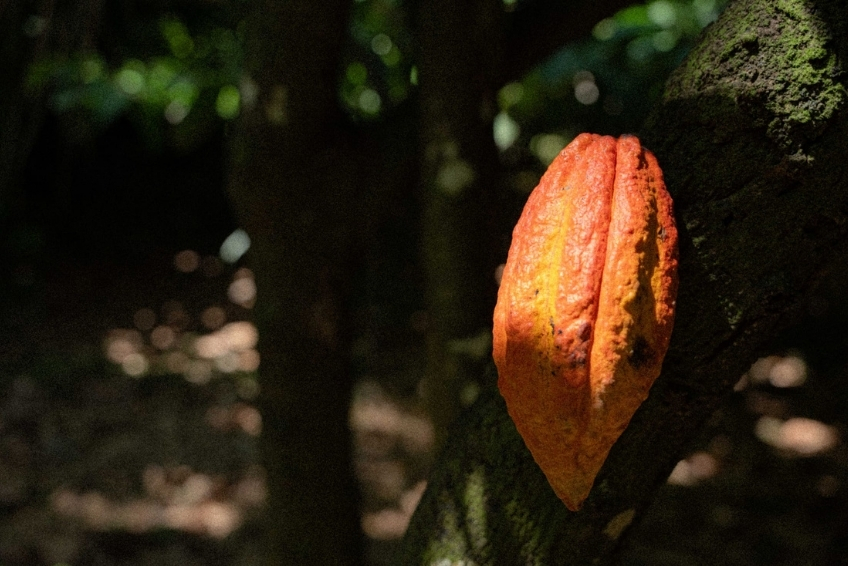
Garden tours showcase tropical fruits and vegetables growing in natural settings, from cocoa pods to soursop trees to pineapple plants. Understanding where ingredients originate and how they’re cultivated deepens appreciation for the final dishes. Some classes include harvesting activities, allowing you to pick herbs or vegetables directly from gardens before incorporating them into recipes. These farm-to-table experiences highlight sustainable food practices and traditional agricultural knowledge.
Post-Class Dining and Community
Cooking classes culminate in communal dining where participants enjoy the fruits of their labor together. This shared meal format encourages conversation and community building among guests from different backgrounds, united by curiosity about St. Lucian culture and cuisine. Instructors often join the meal, sharing additional stories and answering questions about island life beyond the kitchen. The relaxed atmosphere transforms strangers into friends while you savor authentic dishes you’ve prepared yourself.
Most programs provide recipe booklets and cooking tips for recreating dishes at home, extending the cultural education beyond your St. Lucia visit. Some chefs offer advice on sourcing similar ingredients internationally or suggest substitutions for items unavailable outside the Caribbean. This practical guidance ensures you can maintain connections to St. Lucian cuisine long after returning home.
Island Life Tips: We suggest arriving slightly hungry but not famished, as you’ll sample dishes throughout preparation and eat a substantial meal at the end. Wear comfortable clothes that can tolerate minor spills, as hands-on cooking inevitably gets messy. If you have dietary restrictions, mention them when booking so instructors can adapt recipes accordingly. Most importantly, ask questions freely; St. Lucian chefs love sharing their cultural heritage and appreciate genuine curiosity about traditional techniques.


click to see more images
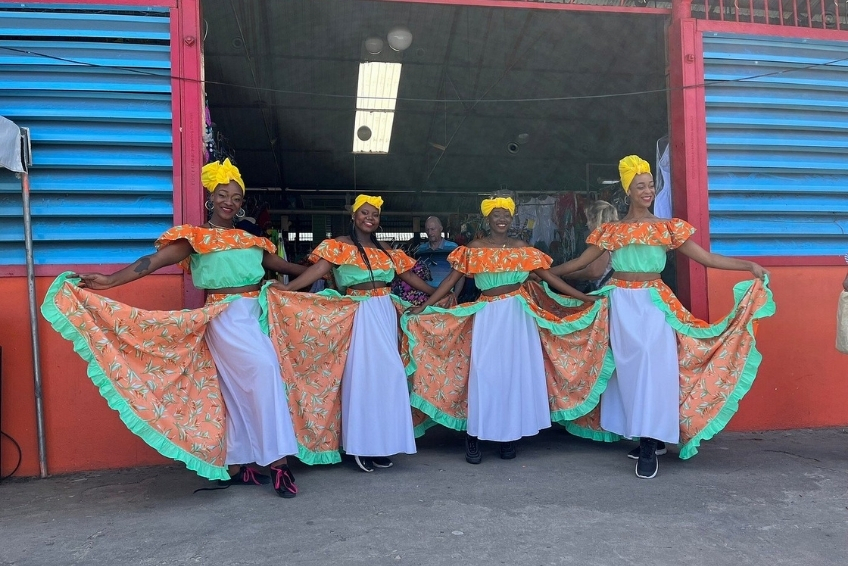
3. Artisan Studio Visits and Traditional Craft Workshops
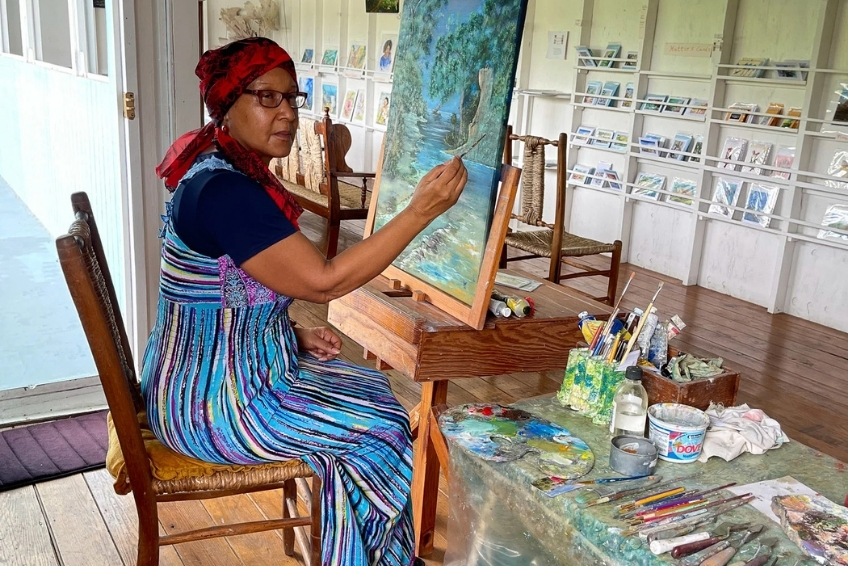
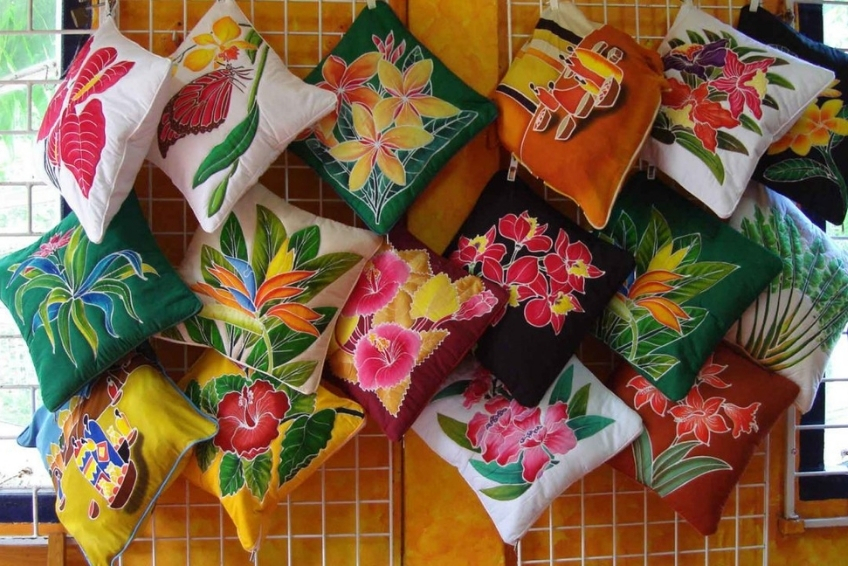
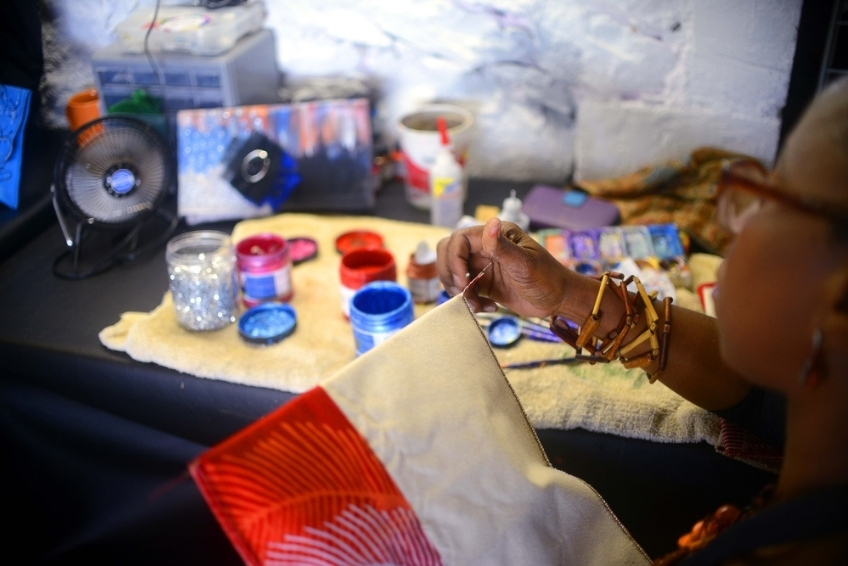
St. Lucia’s artisan traditions connect directly to pre-Columbian heritage through techniques and materials passed down across centuries. Visiting working studios provides cultural insights while supporting local artists whose livelihoods depend on tourism. These indoor experiences transform rainy days into opportunities for meaningful cultural exchange and authentic souvenir acquisition.
Details at a Glance:
- Location: Castries (Eudovic’s Art Studio, Goodlands), Choiseul (southern coast), scattered pottery studios
- Duration: 1-3 hours for gallery visits, half-day for hands-on workshops
- Price range: Free for most galleries, $60-120 USD for pottery workshops (varies with materials and length)
- Best studios: Eudovic’s Art Studio, Choiseul Art Gallery, local pottery centers
- Operating hours: Vary by studio; Eudovic’s open Monday-Friday 8 AM – 4 PM, Saturday-Sunday 8 AM – 2 PM; Choiseul open Tuesday-Saturday 10 AM – 4 PM, closed Sundays-Mondays and August-September
- Transportation: Rental car recommended for Choiseul, taxis available to Castries studios
- Workshop availability: Advance booking required, limited daily sessions
- Unique feature: Watch artisans working using centuries-old techniques
- Age limits: Most workshops welcome ages 10+, family sessions available
Wood Carving Studios
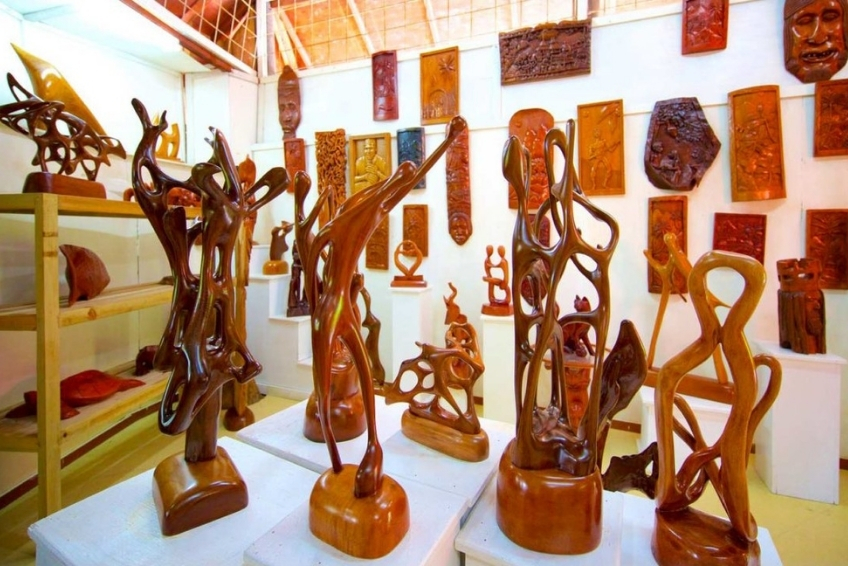
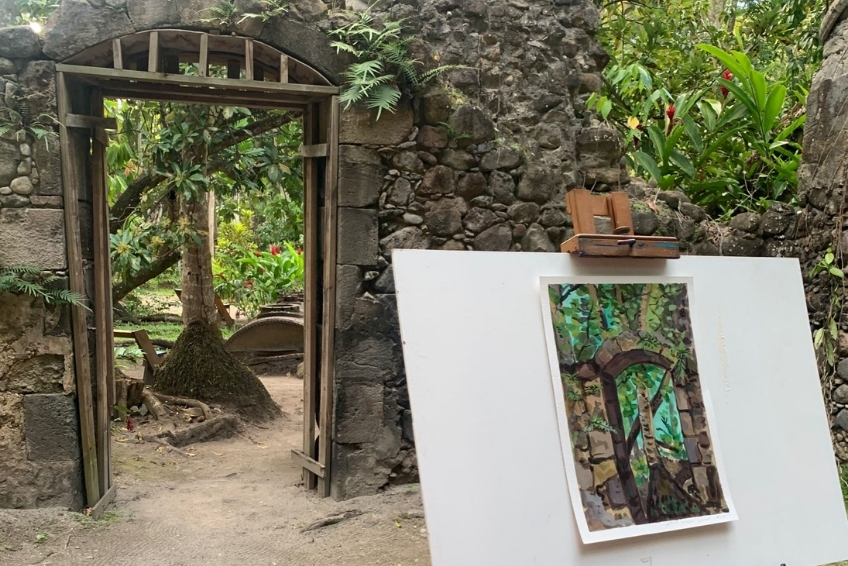
St. Lucia’s most renowned artisan tradition involves wood carving using indigenous hardwoods. Master carvers transform ancient tree roots and hardwood stumps into abstract sculptures that capture the island’s natural beauty and cultural heritage. Visiting working studios allows you to watch the complete carving process, from initial wood selection through final polishing. Artisans explain how different woods produce distinct colors and textures, why certain tree species work better for specific styles, and how traditional hand-carving techniques create pieces impossible to replicate with modern power tools.
The artistic philosophy behind Caribbean wood sculpture emphasizes revealing the natural beauty within each piece of wood rather than imposing predetermined shapes. Carvers work with the organic forms of roots and stumps, allowing the wood itself to suggest final shapes. This collaborative approach between artist and material produces truly unique pieces where no two works ever appear identical. Understanding this creative process deepens appreciation for finished sculptures and explains their premium pricing compared to mass-produced tourist crafts.
Traditional Pottery Making
Pottery workshops offer hands-on experiences with techniques unchanged for over 2,000 years. You’ll work with authentic St. Lucian clay dug from lands near the Pitons, learning to shape vessels without pottery wheels using coiling and pinching methods passed down through generations. Instructors explain how local clay’s unique properties influenced traditional techniques and why certain shapes proved most functional for Caribbean cooking needs. The process connects you directly to indigenous Amerindian potters whose descendants continue these traditions today.
Some workshops include firing demonstrations using traditional open bonfire methods that produce distinctive unglazed surfaces. These coal pots, as they’re known locally, represent essential tools in authentic St. Lucian kitchens, perfect for slow-cooking traditional dishes like oil down and green fig. Understanding their cultural and practical significance transforms simple pottery into meaningful artifacts carrying centuries of Caribbean history. Many workshops allow you to create and fire your own small pieces, shipping finished works to your home after proper curing.
Basket Weaving and Natural Fiber Crafts
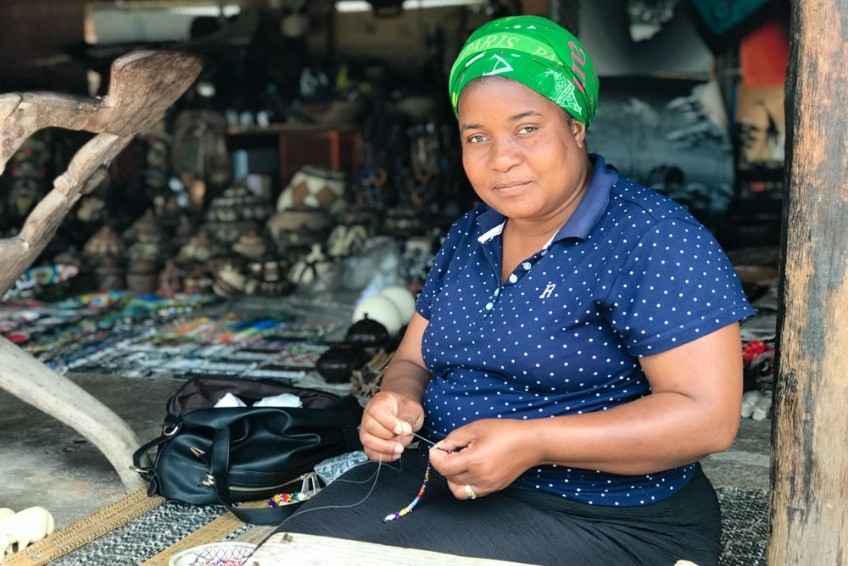
Traditional basket weaving uses wild materials harvested from rainforests, including sisal and khus khus grass woven into functional and decorative pieces. Watching master weavers transform raw plant fibers into intricate patterns reveals skills requiring years of practice. The geometric designs often carry cultural meanings, with specific patterns denoting particular communities or representing natural elements like ocean waves or mountain peaks. These living traditions face threats from modernization, making visitor support crucial for cultural preservation.
Workshops teach basic weaving techniques suitable for beginners, from simple straight weaving to more complex twill patterns. You’ll learn to prepare plant fibers through soaking and drying processes that create pliable working materials. Instructors share stories about how weaving traditions connected communities before modern commerce, when handmade baskets served as essential household items rather than tourist souvenirs. This historical context transforms craft appreciation from aesthetic to cultural understanding.
Supporting Local Artisans
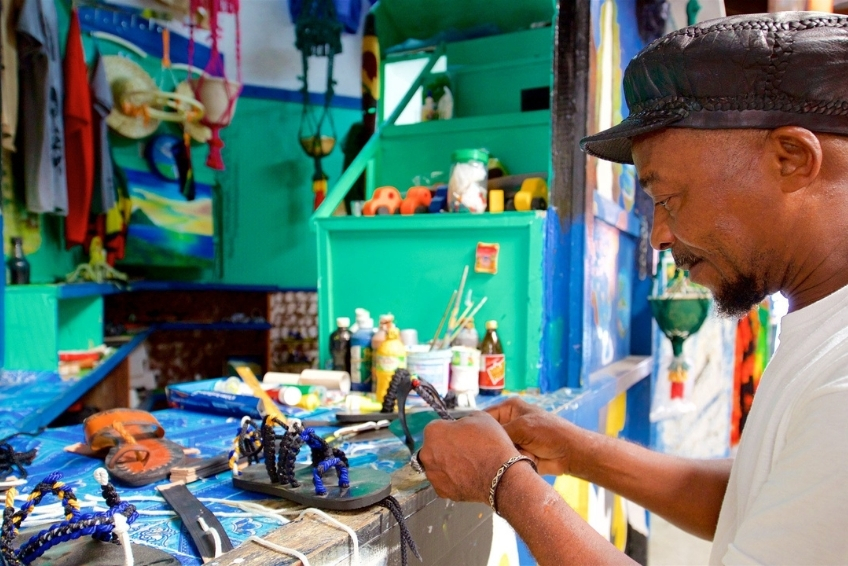
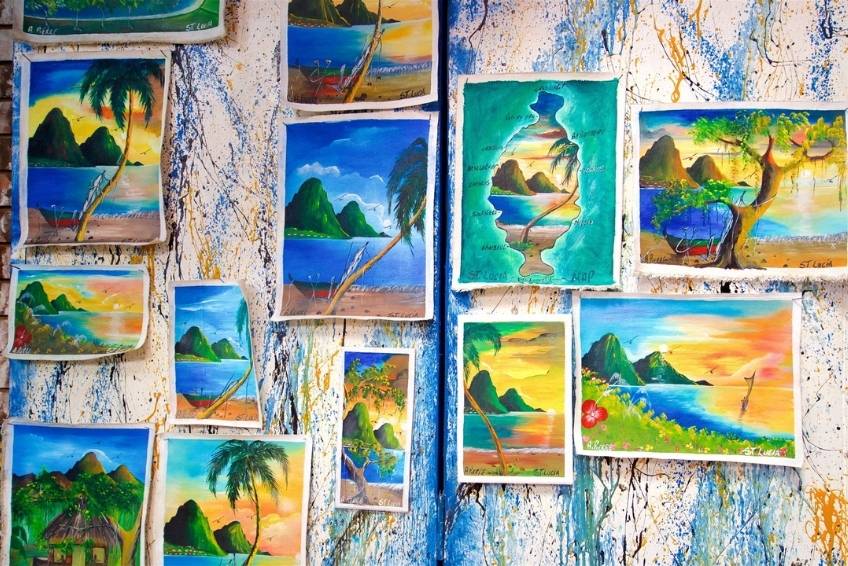
Purchasing directly from artisan studios ensures your money supports creators rather than middlemen or resort gift shops. Artists often provide background stories about specific pieces, explaining inspirations from St. Lucian landscapes or cultural traditions. These personal connections transform souvenirs from generic purchases into meaningful artifacts with authentic stories. Many artisans offer shipping services for larger pieces, allowing you to acquire substantial works without luggage concerns.
The economic impact of artisan tourism extends beyond individual artists to entire communities. Many studios employ multiple craftspeople, providing crucial income in areas with limited alternative employment. Your visit and purchases directly support cultural preservation efforts, as younger generations only continue traditional crafts when they provide viable livelihoods. Understanding this economic reality adds deeper meaning to artisan interactions and purchases.
Island Life Tips: We suggest visiting studios during weekday mornings when artisans are most active and available for extended conversations about their techniques. Bring cash for purchases, as many studios lack credit card processing capabilities. When photographing artwork or artisans, always ask permission first and respect any requests for privacy. If workshop prices seem high, remember you’re paying for expert instruction, materials, and the opportunity to learn living cultural traditions rarely accessible to outsiders.

click to see more images
4. Indoor Shopping at Castries Markets and Modern Malls
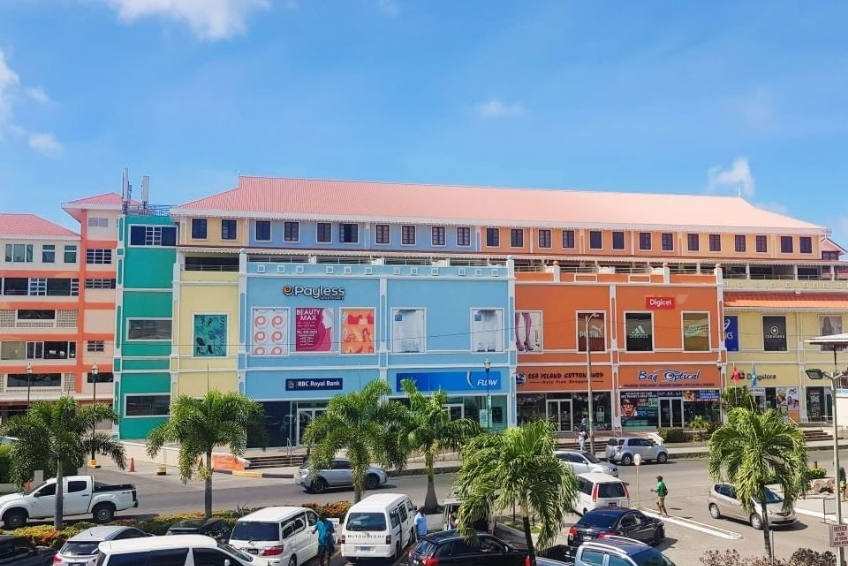
St. Lucia’s shopping venues range from historic covered markets to contemporary air-conditioned malls, providing shelter during tropical downpours while offering opportunities to acquire authentic souvenirs and local products. These indoor retail experiences combine cultural exploration with practical shopping needs, making rainy days productive and entertaining.
Details at a Glance:
- Location: Castries (historic market, La Place Carenage, Pointe Seraphine) and Rodney Bay (Baywalk Mall)
- Best covered markets: Castries Market (historic structure dating to 1894)
- Top modern malls: Baywalk Mall in Rodney Bay, La Place Carenage in Castries
- Operating hours: Markets 6:00 AM – 4:00 PM weekdays, malls 10:00 AM – 8:00 PM daily
- Best shopping days: Saturday mornings for markets (busiest but with the most selection)
- Price range: Negotiable at markets, fixed at malls and duty-free shops
- Transportation: Easy taxi access to major shopping areas
- Currency: Both EC and US dollars accepted, credit cards at malls
- Unique feature: Historic market architecture plus modern retail comfort
Castries Central Market
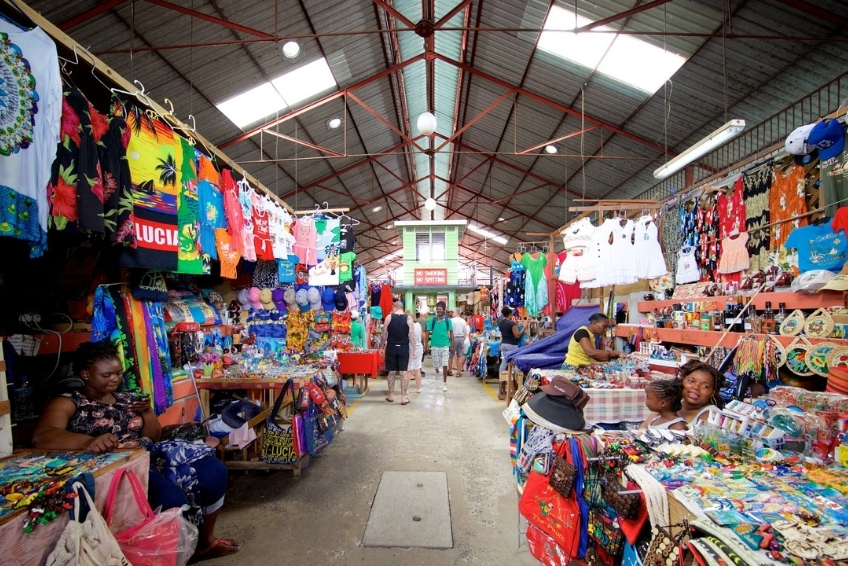
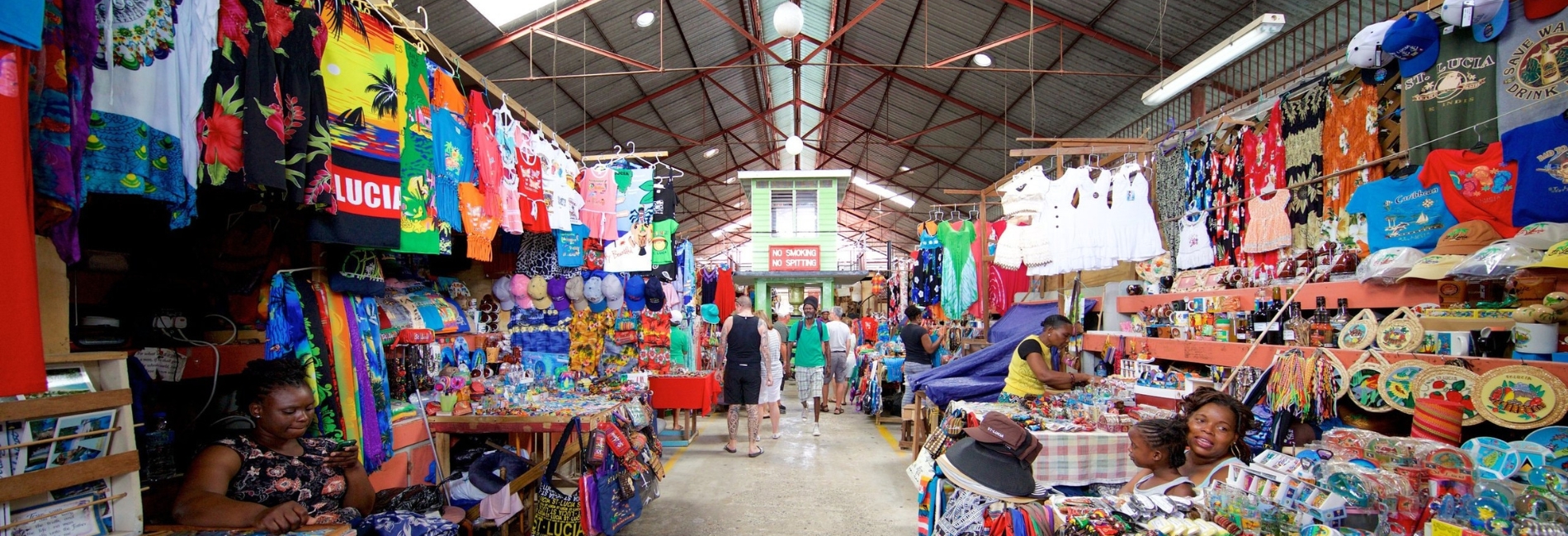
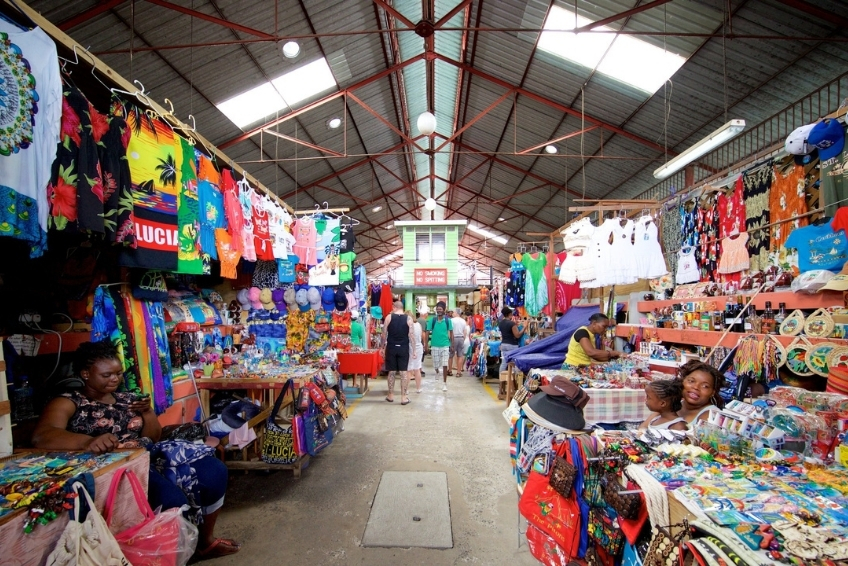
The capital’s historic market operates under a distinctive red-roofed structure built in 1891 and officially opened on July 2, 1894 by Governor Sir Charles Bruce. This architectural landmark now houses more than 300 vendors selling fresh produce, spices, handmade crafts, and traditional remedies. A vendor’s arcade added in 1996 expanded the shopping area. The covered design provides complete weather protection while maintaining the energetic atmosphere that makes Caribbean markets culturally significant. Wandering the crowded aisles during rainstorms creates authentic St. Lucian experiences as locals conduct daily shopping alongside curious tourists.
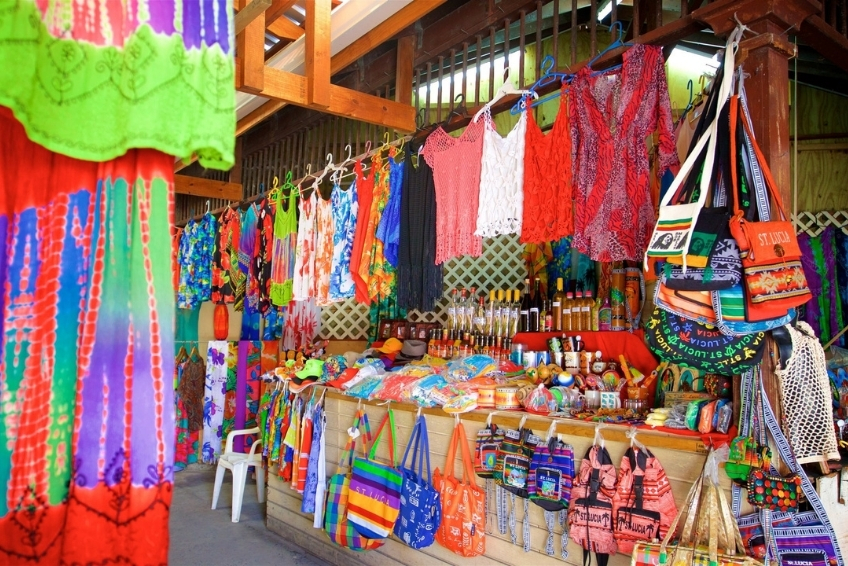
Vendors offer impressive selections of locally grown fruits and vegetables, from plantains and christophene to soursop and passion fruit. Spice stalls display colorful arrangements of cinnamon, nutmeg, bay leaves, and local pepper sauces packaged for travel. Traditional craft sections feature handwoven baskets, carved calabash bowls, and locally made soaps using coconut oil and tropical botanicals. The social energy of market shopping, with friendly vendors eager to explain their products and share cooking tips, provides cultural immersion impossible in sterile retail environments.
Modern Shopping Malls
Baywalk Mall in Rodney Bay represents St. Lucia’s largest shopping complex, offering over 45 duty-free stores across two air-conditioned floors. The facility combines international brands with local boutiques, creating shopping diversity from high-end designer labels to authentic Caribbean products. Covered parking and climate-controlled spaces make rainy day shopping completely weather-independent. The mall includes numerous restaurants, a bank, and a major supermarket, essentially creating a one-stop destination for various needs.
La Place Carenage in Castries provides duty-free shopping with stunning harbor views, housed in an elegant structure that blends colonial architecture with modern amenities. The air-conditioned interior showcases jewelry, watches, designer fragrances, and high-end clothing at tax-free prices attractive to cruise passengers and resort guests alike. The covered design allows comfortable shopping regardless of the weather, while the waterfront location provides atmospheric dining options when the rain subsides.
Duty-Free Shopping Advantages
St. Lucia’s duty-free status for visitors creates genuine savings on luxury goods, liquor, and certain local products. Bringing your passport enables duty-free purchasing at designated shops, with savings particularly significant on jewelry, watches, and designer brands. Many stores ship larger purchases internationally, eliminating luggage weight concerns for substantial items. Understanding duty-free regulations and limits for your home country prevents customs issues when returning.
Point Seraphine, another major duty-free complex near Castries, caters primarily to cruise passengers but welcomes all visitors. The covered walkways and numerous shops create weather-protected shopping with competitive prices on international luxury brands. Local rum distilleries and chocolate producers maintain boutiques here, offering authentic St. Lucian products alongside imported goods. The complex also houses the Caribelle Batik boutique, showcasing traditional hand-dyed fabrics created on the island.
Local Products and Souvenirs
Seeking authentic St. Lucian products requires discernment, as many market crafts originate overseas despite Caribbean appearances. Genuine local items include hot sauces made with Scotch bonnet peppers, aromatic cocoa sticks for traditional chocolate tea, locally roasted coffee, and handmade soaps incorporating coconut oil and tropical botanicals. The Sea Island Cotton Shop specializes in authentic Caribbean products at duty-free prices, offering comprehensive selections of locally produced rum, spices, and handicrafts.
Quality souvenir shopping focuses on supporting actual St. Lucian producers rather than importing mass-manufactured trinkets. Look for items displaying the “Authentic St. Lucia” certification, which guarantees local origin. Locally produced artwork, pottery, wood carvings, and textiles carry more cultural value than generic Caribbean merchandise. Many artisan cooperatives maintain retail spaces in shopping areas, allowing direct purchases from producer groups.
Island Life Tips: We suggest starting market visits early during rainy weather, as later afternoon showers can reduce vendor enthusiasm for extended bargaining. Bring a reusable bag for purchases, as St. Lucia has phased restrictions on single-use plastics and foam food-service containers as part of environmental protection efforts. When shopping at markets, gentle negotiation is expected and appreciated, but extreme lowball offers insult vendors’ craftsmanship. For authentic local products at malls, ask shop staff which items are actually produced in St. Lucia rather than assuming Caribbean-themed merchandise means local origin.


click to see more images
5. Tree-to-Bar Chocolate Experiences at Working Cacao Estates
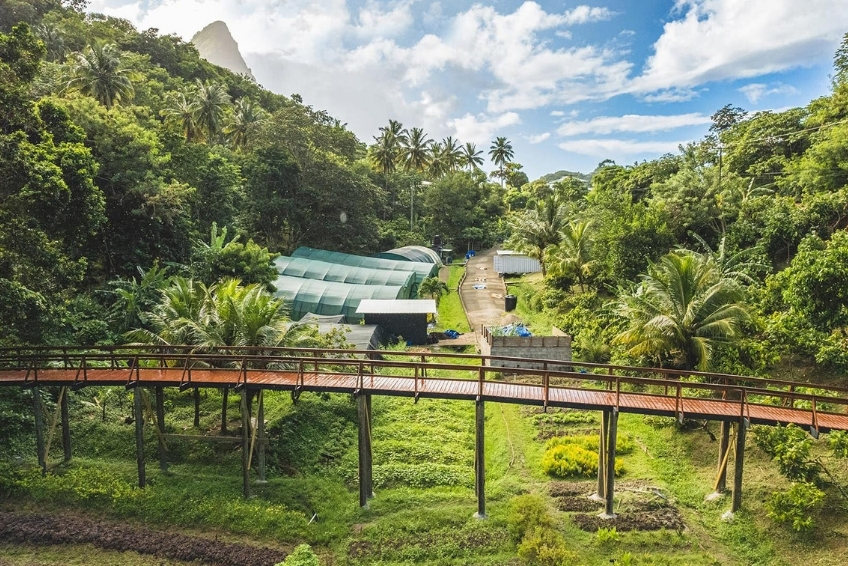
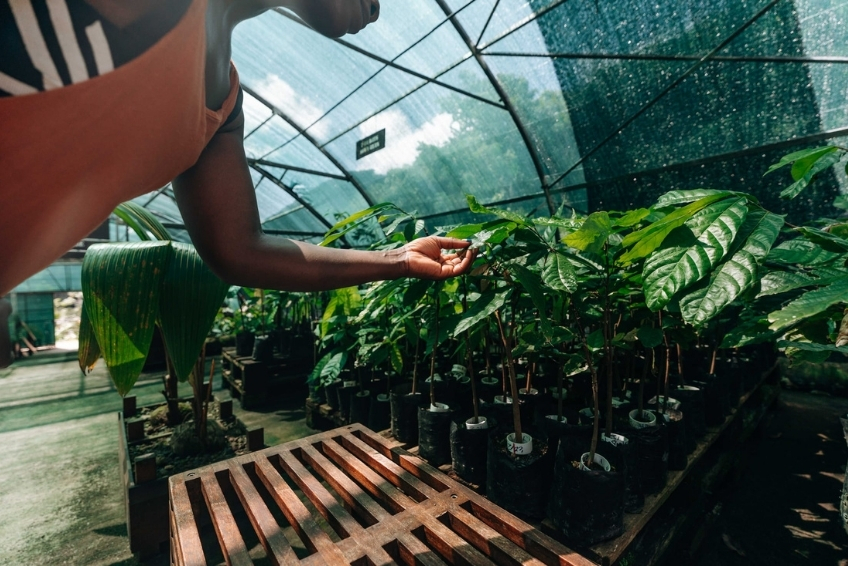
St. Lucia’s volcanic soil and perfect climate create ideal cacao-growing conditions, making the island an important Caribbean chocolate producer. Estate tours and chocolate-making workshops operate largely undercover, protecting visitors from the weather while showcasing the complete farm-to-chocolate process. These educational experiences satisfy both curiosity and a sweet tooth regardless of rainfall.
Details at a Glance:
- Location: Soufriere region (Hotel Chocolat’s Rabot Estate in rainforest near Pitons)
- Duration: 2.5-3 hours for Tree-to-Bar experience, about 1 hour for Bean-to-Bar
- Price range: Around $124 USD per adult for the full Tree-to-Bar experience
- Operating schedule: Daily tours year-round, advance booking essential
- Includes: Estate tour, chocolate-making workshop, tastings, street-food-style lunch (Tree-to-Bar)
- Age requirements: Participants should be 8+ for hands-on chocolate-making; younger children may observe
- Best time: Morning sessions utilize cooler temperatures
- Weather protection: Covered processing areas and indoor workshops
- Unique feature: Working organic farms demonstrating the complete cacao-to-chocolate process
The Chocolate Estate Experience
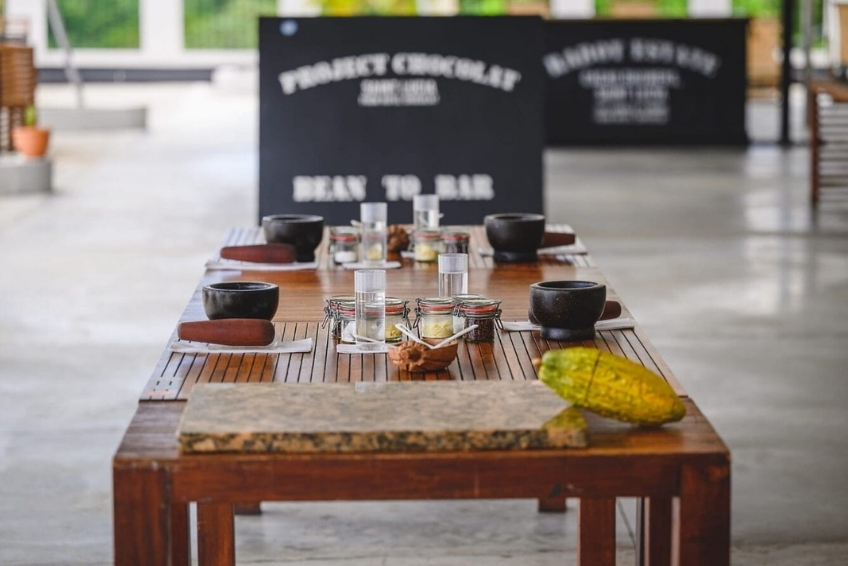
Comprehensive chocolate tours at Hotel Chocolat’s Rabot Estate offer two distinct experiences. The full Tree-to-Bar tour (approximately 2.5-3 hours) begins with covered walks through cacao groves where guides explain tree cultivation, pod development, and optimal harvesting techniques. The protection provided by the rainforest canopy means estate tours proceed comfortably even during showers, as dense vegetation acts as natural umbrellas. You’ll learn to identify ripe pods by color and sound, understand why Trinitario cacao varieties produce superior chocolate, and discover how volcanic soil creates flavor profiles impossible to replicate elsewhere. The shorter Bean-to-Bar experience (about 1 hour) focuses specifically on the chocolate-making process without the extensive farm tour or lunch component.
The fermentation and drying processes occur in covered facilities where you observe beans transforming through precise temperature and humidity control. Guides explain how fermentation duration affects final chocolate flavor, why proper drying prevents mold development, and how traditional techniques passed down through generations still produce the finest results. Understanding these crucial steps between harvest and chocolate production reveals the complexity behind quality chocolate creation.
Hands-On Chocolate Making
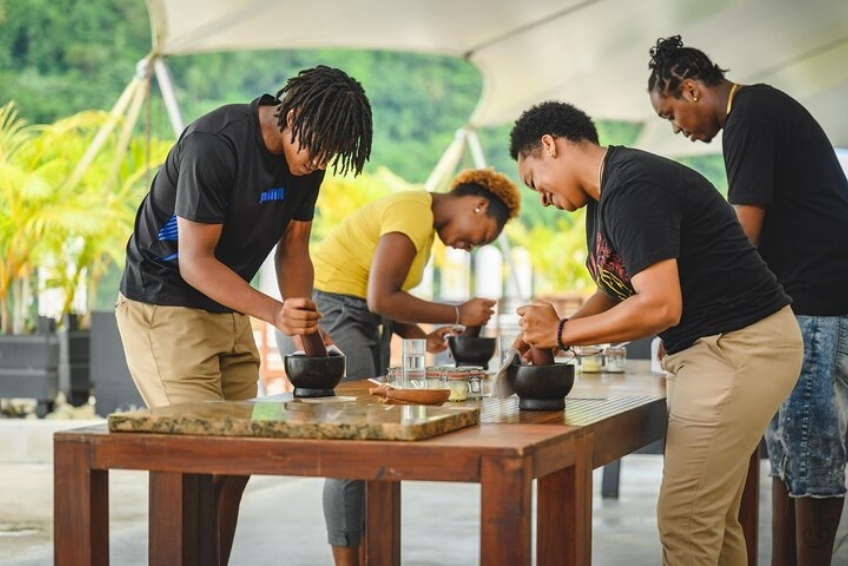
Interactive workshops guide you through transforming roasted cacao beans into finished chocolate bars using both traditional and modern methods. You’ll crack shells by hand, grind nibs using traditional stone techniques, and learn tempering processes that give chocolate its characteristic snap and shine. The hands-on approach allows you to appreciate the labor intensity of artisanal chocolate production while creating personalized bars to take home or ship internationally.
Tasting sessions showcase single-origin chocolates that highlight specific cacao varieties and terroir influences. Professional chocolate makers guide you through proper tasting techniques, explaining how to identify flavor notes ranging from fruity to earthy to floral. You’ll understand why percentage cacao content affects taste and texture, learn which chocolates pair with specific foods or beverages, and discover how processing methods influence final flavors.
Culinary Applications
Many chocolate experiences include lunch components featuring cacao in savory applications, demonstrating chocolate’s versatility beyond desserts. Traditional Caribbean cooking incorporated cacao into meat marinades and sauces long before European sweet applications became dominant. You might sample cacao-rubbed fish, chocolate-infused mole-style sauces, or other innovative dishes that showcase estate-grown chocolate in unexpected contexts.
On-site restaurants and cafes serve chocolate-forward desserts and beverages, from rich hot chocolate made with pure cacao to innovative fusion desserts combining Caribbean and European traditions. These culinary experiences expand understanding of chocolate’s potential while showcasing local creativity and agricultural bounty.
Sustainable Agriculture Education
Estate tours emphasize sustainable farming practices and environmental stewardship crucial to long-term cacao production. You’ll learn about organic pest management, water conservation techniques, and biodiversity preservation efforts that protect rainforest ecosystems while maintaining productive agriculture. Understanding these practices reveals chocolate production’s environmental impact and highlights how conscious consumption supports sustainable farming.
Many estates employ surrounding communities, providing crucial income in rural areas with limited alternative employment. Your visit and purchases directly support these local economies while encouraging sustainable agricultural practices. The economic education component adds social consciousness to agricultural learning.
Island Life Tips: We suggest wearing comfortable walking shoes with a good grip for estate tours, as paths can be muddy during rainy periods despite covered areas. Bring insect repellent even for indoor workshops, as tropical environments attract bugs regardless of shelter. Note that children under 8 may observe the chocolate-making process but typically cannot participate hands-on. The gift shops offer estate chocolates unavailable elsewhere, making them ideal places for authentic edible souvenirs. Purchase several bars, as the unique flavor profiles of St. Lucian single-origin chocolate create memorable gifts that actually taste special rather than generic.


click to see more images
6. Rum Distillery Tours and Tastings at Historic Production Facilities
Caribbean rum heritage reaches back centuries, and St. Lucia maintains active distilleries where traditional production methods continue alongside modern quality controls. These tours operate entirely indoors in protected facilities, making them perfect rainy day activities that combine education, history, and tastings of the island’s signature spirit.
Details at a Glance:
- Location: Roseau Valley (20 minutes from Castries, central location between north and south)
- Our top choice: St. Lucia Distillers’ Rhythm of Rum Experience
- Duration: 60-90 minutes, including guided tour and comprehensive tasting
- Price range: $70-75 USD per person (includes guided tour, tastings, sometimes transfers)
- Operating schedule: Monday-Friday starting at 10:00 AM, weekends by group arrangement
- Age restrictions: Adults only (no children permitted)
- Transportation: Located in Roseau Valley, 20 minutes from Castries
- Group options: Discounts for 15+ people, private tours available
- Unique feature: Complete rum-making education from cane to cocktail
The Distillery Experience
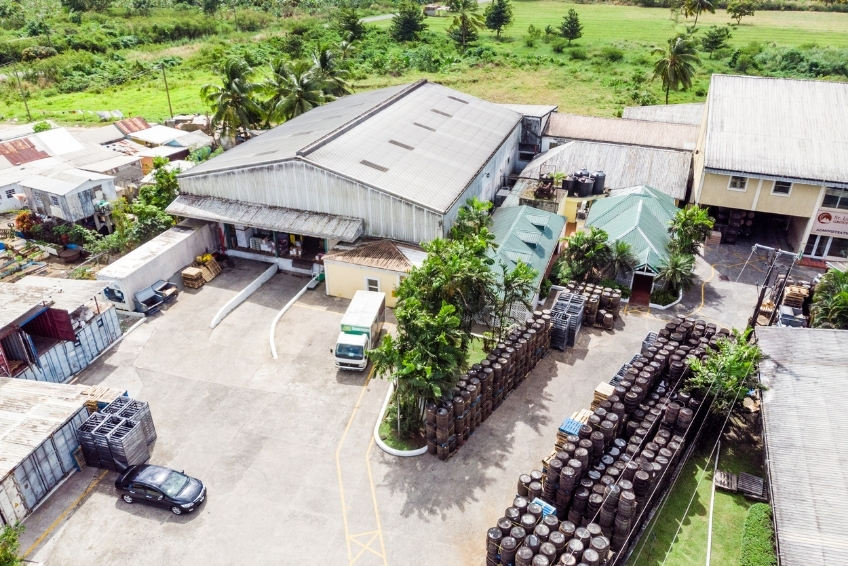
Comprehensive rum tours begin with powerful historical context, including reconstructed ship’s hold experiences that demonstrate the human cost behind the Caribbean sugar and rum industries. This unflinching approach to colonial history provides essential context for understanding rum’s complex cultural significance. The educational component addresses how enslaved communities endured Middle Passage conditions and later developed expertise in rum production that created the Caribbean’s signature spirits.
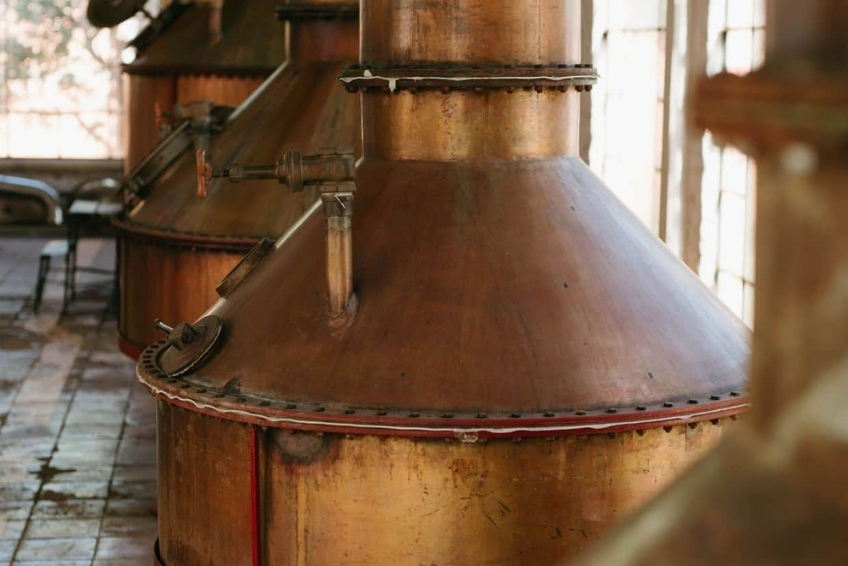
Modern production facilities showcase the complete rum-making process from cane crushing through fermentation to distillation using traditional copper pot stills. Guides explain how different fermentation times produce varying alcohol concentrations, why specific barrel types create distinct flavor profiles, and how aging processes transform clear spirits into rich amber rums. The technical education reveals rum production’s complexity and helps you appreciate quality differences between mass-produced and artisanal spirits.
Comprehensive Tasting Programs
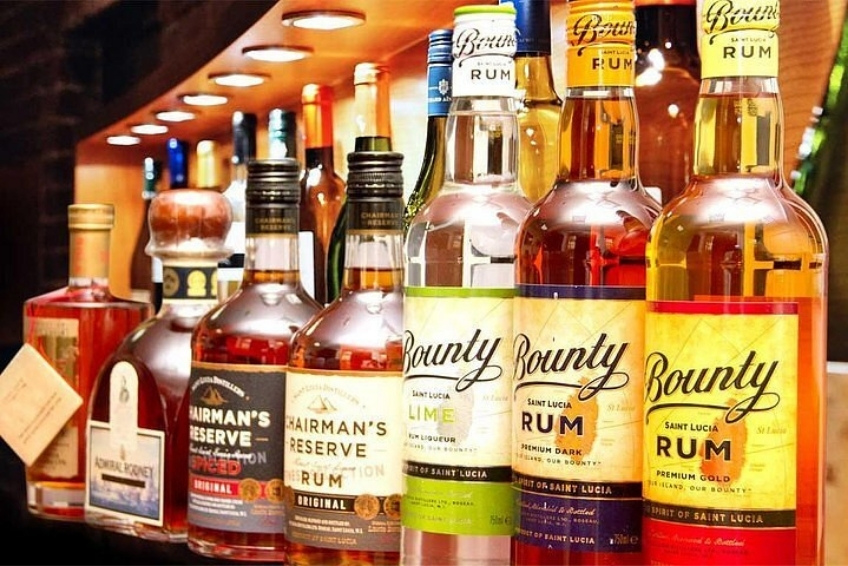
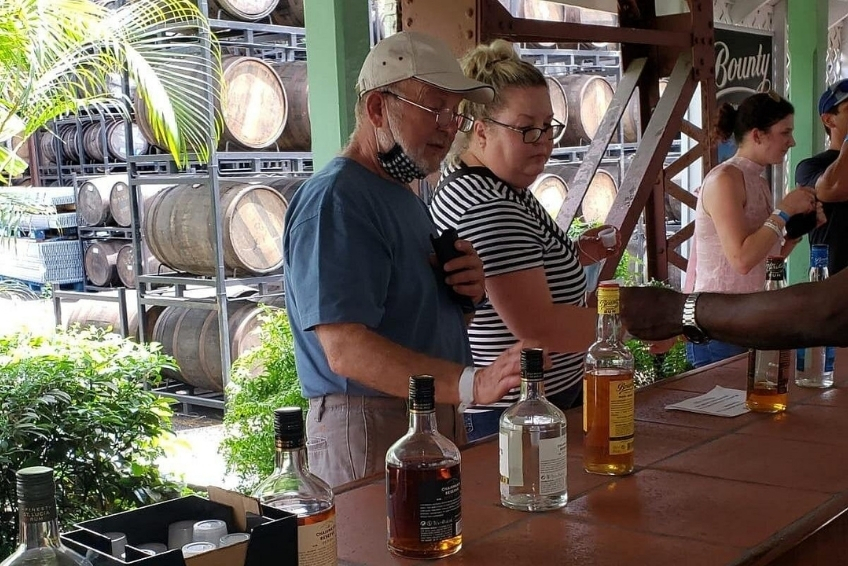
Guided tastings include a variety of rum styles ranging from white overproof used in cooking to premium aged reserves showcasing Caribbean rum’s sophistication. Expert guides teach proper tasting techniques, explaining how to identify flavor notes, evaluate mouthfeel, and distinguish between different rum styles. You’ll sample unique local infusions including traditional recipes using indigenous botanicals and barks believed to possess medicinal properties.
The tasting education extends beyond drinking to encompass rum’s culinary applications and cocktail preparations. You’ll learn which rums work best for specific Caribbean dishes, discover traditional cocktail recipes passed down through generations, and understand how different rum styles pair with various foods. This practical knowledge transforms rum from simple alcohol into a versatile ingredient with cultural significance.
Historical and Cultural Context
Tours provide comprehensive education about rum’s central role in Caribbean economic development from colonial plantations through modern craft distilling. Historical artifacts and interpretive displays explain how rum production techniques traveled throughout the region, creating variations that reflect local ingredients and cultural preferences. The balanced presentation celebrates craftsmanship while honestly addressing rum’s historical connections to slavery and colonialism.
Understanding rum’s economic impact helps you appreciate how small islands like St. Lucia developed major industries despite limited resources. The distillery’s role in contemporary employment and tourism demonstrates how traditional industries adapt to modern markets while maintaining cultural authenticity. This economic education adds depth to cultural appreciation.
Exclusive Products and Gift Shop
On-site retail offers exclusive bottlings unavailable elsewhere, including limited-edition single-barrel releases and distillery-only expressions. These special rums showcase specific harvest seasons or experimental aging techniques, creating collectible spirits for enthusiasts. Staff provide knowledgeable guidance about which bottles best represent St. Lucian rum heritage and which work best for specific applications.
Unique local infusions like spiced rums incorporating native botanicals provide authentic flavors impossible to find internationally. These traditional preparations follow recipes passed down through generations, capturing St. Lucian taste profiles unavailable from commercial producers. Purchasing directly from distilleries ensures authenticity while supporting local producers rather than importing middlemen.
Island Life Tips: We suggest combining distillery visits with nearby Castries Market exploration for comprehensive cultural days. The morning tour timing allows afternoon flexibility for other activities once the weather clears. Don’t feel obligated to finish every tasting pour, especially when sampling 15+ varieties. Spittoons are available. For authentic souvenirs, purchase unique local infusions and spiced varieties available only at the distillery rather than standard expressions found internationally.
click to see more images
7. Guided Museum Tours and Historical Indoor Attractions
St. Lucia’s historical sites include several indoor museums and covered attractions that provide cultural education regardless of the weather. These experiences offer air-conditioned comfort while delivering meaningful insights into the island’s complex colonial history, cultural heritage, and contemporary identity.
Details at a Glance:
- Location: Castries (Cathedral, Folk Research Centre), Gros Islet (Pigeon Island), Soufriere (Anse Chastanet Gallery)
- Best indoor historic site: Pigeon Island National Landmark interpretive center
- Museum options: Limited dedicated museums, focus on resort galleries and historic churches
- Price range: $5-15 USD for national landmarks; many churches offer free entry
- Operating hours: Most sites 9:00 AM – 5:00 PM, churches during daylight hours
- Duration: 1-2 hours for museum visits, half-day for comprehensive historical tours
- Guided tours: Available at major sites, enhancing understanding significantly
- Best combined with: Shopping trips to maximize time in weather-protected areas
- Unique feature: Interpretive programs explaining complex colonial history
Historical Churches and Religious Architecture
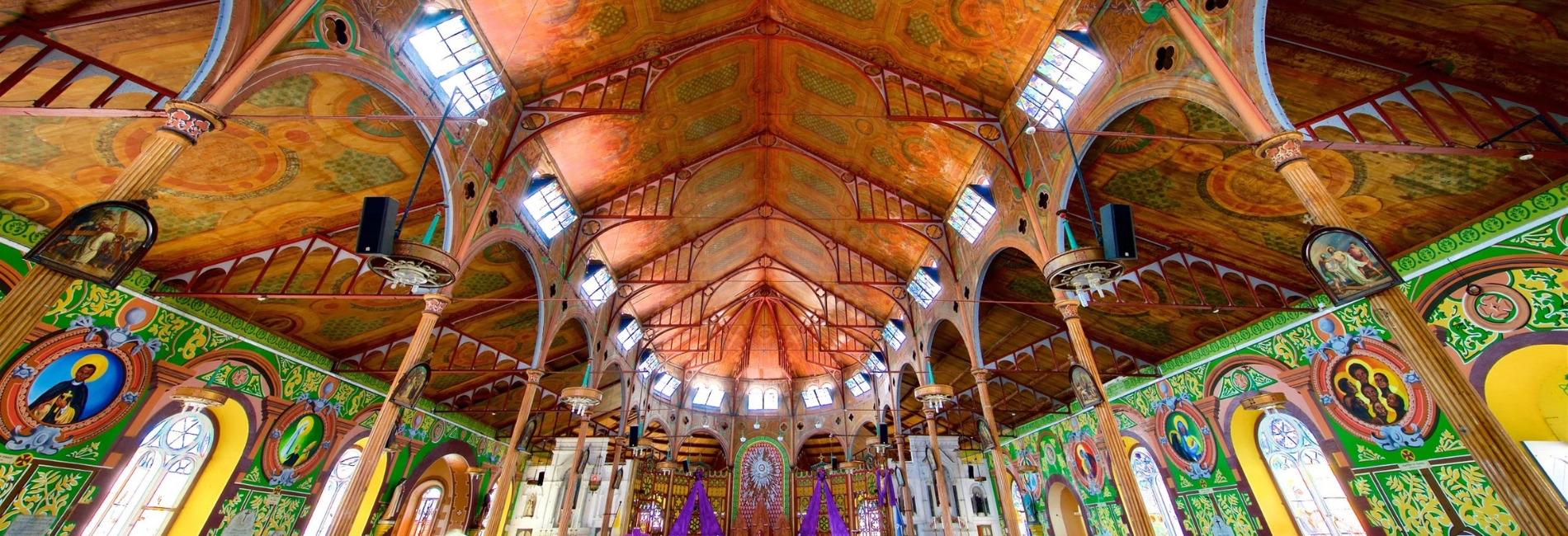
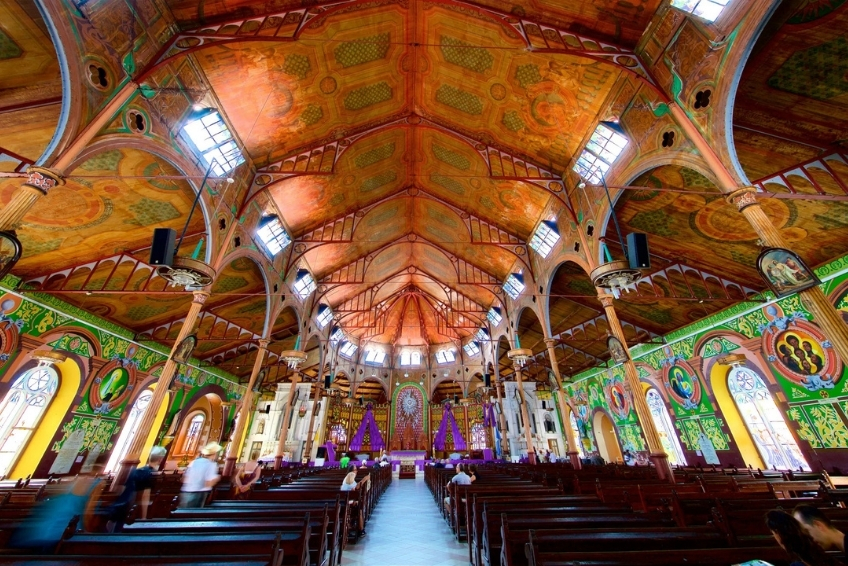
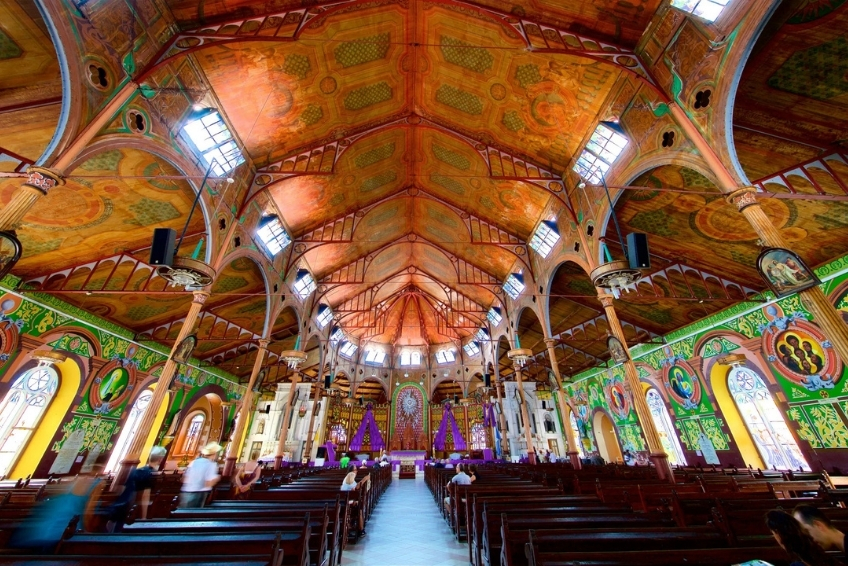
St. Lucia’s Catholic heritage produced several architecturally significant churches offering weather protection and cultural insights. The Cathedral of the Immaculate Conception in Castries, located at the east end of Derek Walcott Square, features vibrant ceiling murals depicting biblical scenes and saints, created by renowned local artist Dunstan St. Omer. The stunning interior artwork combines European religious traditions with Caribbean visual styles, creating distinctive aesthetic expressions. These sacred spaces provide quiet contemplation opportunities while showcasing important architectural heritage and are open during daylight hours.
Understanding the religious influences on St. Lucian culture requires examining how Catholic, Anglican, and later evangelical traditions shaped community life. Churches served as social centers beyond worship, hosting education, healthcare, and community organization during periods when government services remained limited. This social history reveals religion’s central role in Caribbean community development and continuing cultural influence.
Pigeon Island Historical Interpretation
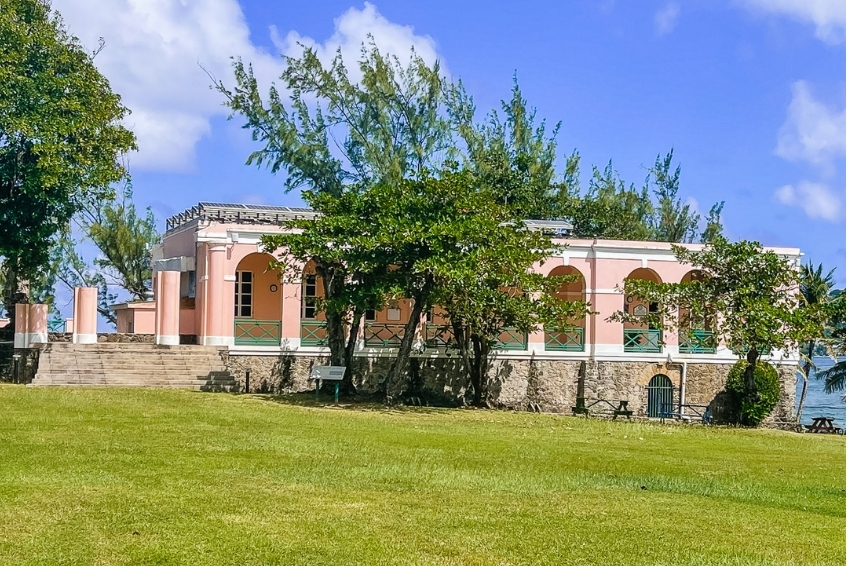
While Pigeon Island National Landmark includes extensive outdoor ruins, the small museum operates in covered spaces providing complete weather protection. Interpretive displays explain the strategic importance of this former island during 18th-century colonial conflicts between France and Britain. Artifacts from Amerindian settlement through pirate occupation to military fortifications reveal continuous human habitation spanning over 1,000 years. The chronological presentation helps you understand how different cultures utilized this strategic location overlooking the channel between St. Lucia and Martinique.
Guided tours provide crucial context often missed by self-guided visitors, explaining how military engineering adapted to Caribbean conditions and why specific fortification designs proved effective against naval bombardment. The interpretation connects historical events to contemporary St. Lucian culture and regional politics, demonstrating how colonial conflicts shaped modern Caribbean reality. Understanding this deep history transforms abstract ruins into meaningful historical narratives.
Art Galleries and Cultural Collections
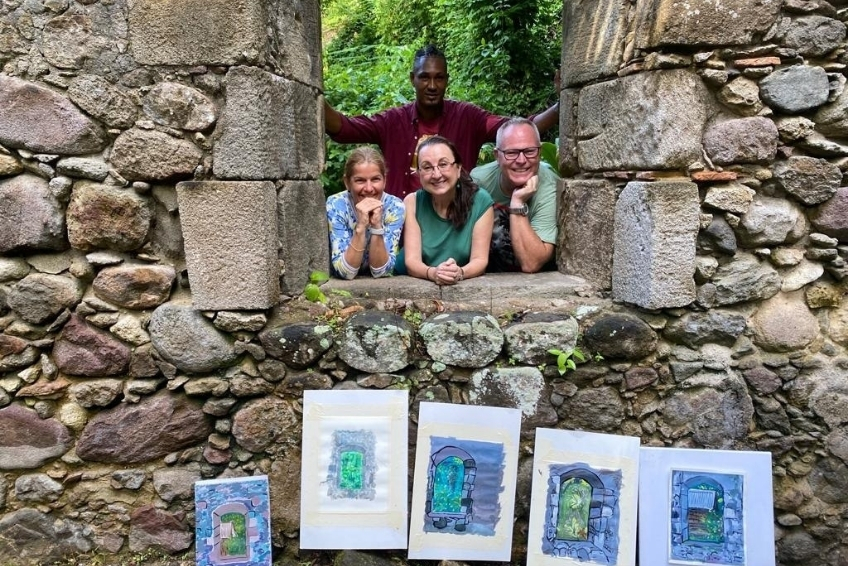
The Anse Chastanet Art Gallery near Soufriere showcases an impressive collection of Caribbean and international artwork throughout the resort’s public spaces and beachside gallery above the Kai Belte Spa. This accessible collection features vibrant acrylic paintings, wooden sculptures, painted sky ceilings, and works by both St. Lucian artists, like Lawrence Deligny and Peter Charlemagne, alongside international artists. The gallery primarily serves resort guests, though non-guests may contact the property in advance to inquire about visiting. Complimentary open-air art classes are offered on Tuesdays for those staying at the resort. The collection demonstrates how Caribbean settings inspire contemporary artistic expression while maintaining accessibility to serious art enthusiasts.
The Folk Research Centre on Mount Pleasant in Castries serves as St. Lucia’s primary cultural heritage repository. Established in 1973, this institution houses extensive collections of traditional materials, including folk dress, musical instruments, historical photographs, and documentation of the Creole language and oral traditions. The climate-controlled facility preserves artifacts illustrating plantation life, traditional practices, and cultural evolution from indigenous times through contemporary periods. Operating Monday through Thursday from 8:30 AM to 4:30 PM and Friday from 8:30 AM to 4:00 PM, the Centre welcomes visitors interested in authentic cultural education beyond typical tourist presentations. Contact the Centre in advance to confirm tour availability. The panoramic views over Castries from Mount Pleasant provide additional rewards for the uphill journey.
Cultural Libraries and Information Centers
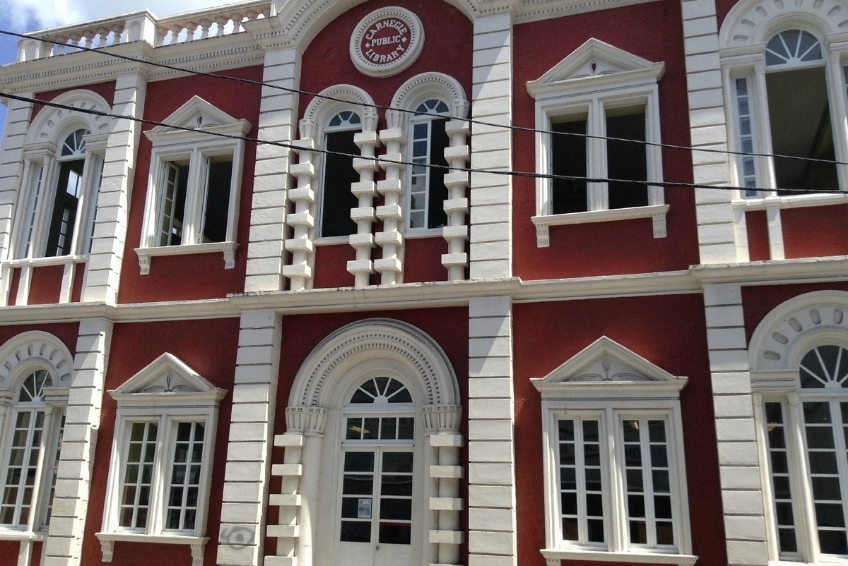
The Central Library in Castries maintains historical collections and cultural resources in climate-controlled spaces. While primarily serving local communities, visitors with genuine research interests or cultural curiosity often find welcoming staff and interesting materials. The library represents an authentic slice of St. Lucian life rarely visible to typical tourists, offering glimpses into how locals access information and cultural resources.
Historical societies and cultural organizations occasionally present public programs, lectures, or exhibits that visiting historians or culture enthusiasts might attend. These events provide opportunities for deeper engagement with St. Lucian intellectual life beyond standard tourist offerings. Checking local event calendars before visiting may reveal special programs coinciding with your stay.
Island Life Tips: We suggest combining historical site visits with nearby shopping or dining destinations to maximize time in weather-protected areas during persistent rain. Many churches appreciate modest dress codes, so bring appropriate clothing if planning religious site visits. Don’t expect extensive museum infrastructure compared to major destinations; St. Lucia’s small size and limited resources mean indoor cultural attractions remain modest. Focus instead on how these sites provide windows into authentic island culture and history rather than expecting comprehensive collections.
St. Lucia Rainy Day Activities by Location
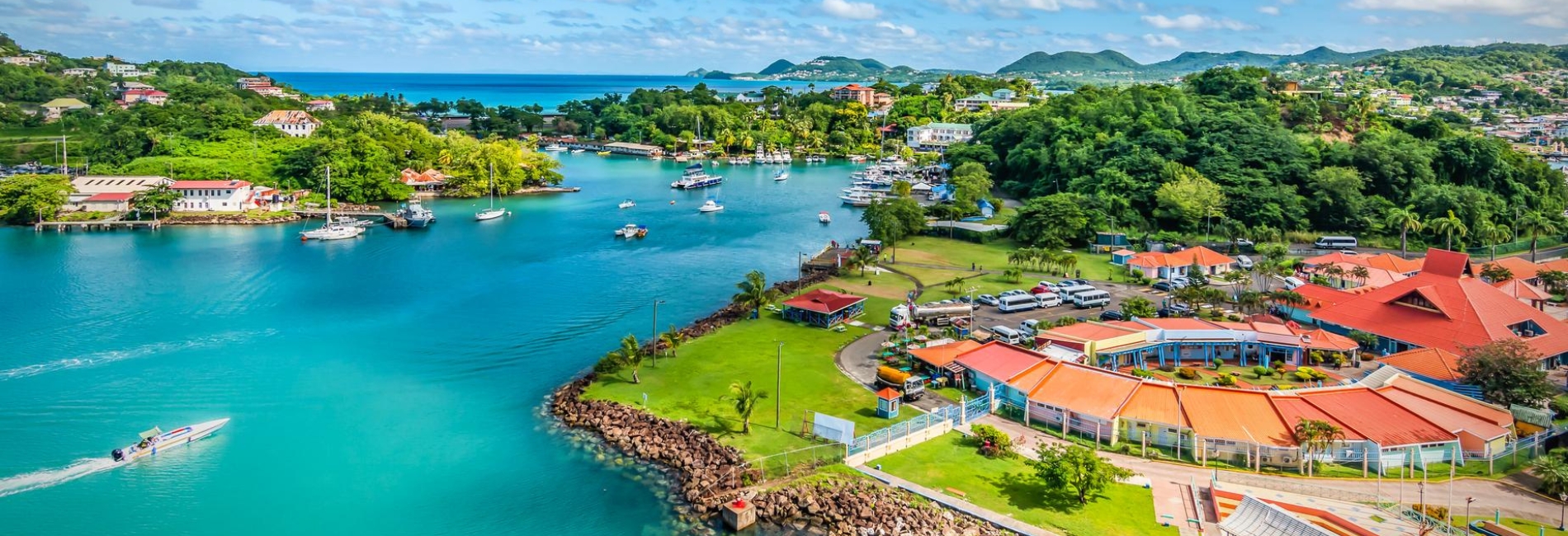
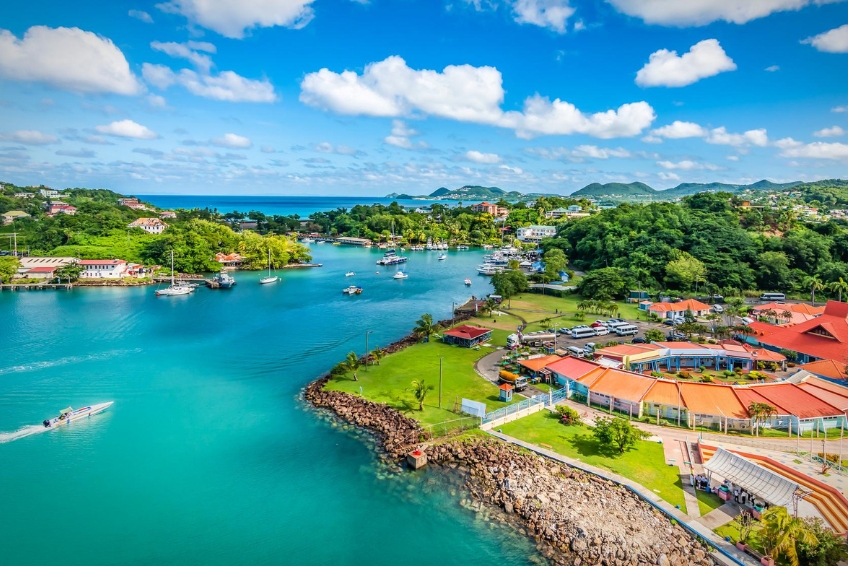
Planning your rainy day activities becomes easier when you understand which experiences cluster in specific areas of St. Lucia. This geographic organization allows you to maximize time in weather-protected zones while minimizing travel during storms.
Rodney Bay (Northern St. Lucia)
The island’s tourism hub offers the most concentrated indoor options, making it ideal for extended rainy day exploration. Baywalk Shopping Mall provides over 45 duty-free stores, restaurants, and the island’s only casino across two air-conditioned floors. Several resort spas in this area welcome non-guests for treatments, particularly those at larger properties along the beach. The proximity of shopping, dining, and wellness facilities means you can easily spend entire rainy days in this area without venturing far from accommodations.
Castries (Capital City)
The capital concentrates cultural and historical indoor experiences. The historic Castries Market operates under its distinctive covered structure dating to 1894, providing complete weather protection for shopping for local produce, spices, and crafts. La Place Carenage and Pointe Seraphine offer duty-free shopping with harbor views in air-conditioned comfort. The Cathedral of the Immaculate Conception showcases stunning interior murals in a climate-controlled sacred space. Eudovic’s Art Studio in nearby Goodlands demonstrates traditional wood carving, while the Folk Research Centre on Mount Pleasant preserves cultural heritage materials. Several cooking class operators base their experiences in or near Castries, often including market tours as part of the program.
Soufriere (Southern St. Lucia)
The scenic southern town provides access to chocolate experiences and artistic venues. Hotel Chocolat’s Rabot Estate operates its tree-to-bar chocolate making workshops primarily under cover in the rainforest, with covered processing areas protecting visitors during showers. The Anse Chastanet Art Gallery near Soufriere showcases Caribbean artwork in climate-controlled spaces accessible by arrangement. While Morne Coubaril Estate focuses primarily on outdoor plantation experiences, covered areas provide some weather protection during tours. Several luxury resort spas in the Soufriere area offer treatments with Piton views, creating dramatic settings for wellness experiences.
Marigot Bay
This picturesque marina area offers limited dedicated indoor cultural activities but features resort spas and covered marina-side restaurants that provide comfortable rainy day retreats. The protected harbor setting creates a naturally sheltered environment, and several boutique hotels offer spa services to outside guests by reservation. The area works best as a relaxation destination during weather interruptions rather than a hub for structured cultural activities.
Geographic Considerations
St. Lucia’s mountainous terrain means travel between regions takes longer than distances suggest. Budget 1¼ to 1½ hours for drives between Rodney Bay and Soufriere, even though they’re only about 30 miles apart, with travel times often extending even longer during heavy rain. During storms, winding mountain roads become more challenging and potentially hazardous to navigate. We suggest planning rainy day activities within the region where you’re staying rather than attempting cross-island drives during storms. Consider hiring a local driver or using shuttle services rather than self-driving in heavy rain for safety. If extended rain is forecast, consider clustering your indoor activities geographically to minimize travel time and maximize cultural immersion.
Essential Planning Information for Rainy Day Activities
Understanding St. Lucia’s Weather Patterns
St. Lucia’s tropical climate produces afternoon showers year-round, though rainfall intensity and frequency vary seasonally. The official rainy season (June-November) coincides with hurricane season, but it doesn’t mean constant downpours. Brief afternoon showers remain most common, lasting 30 minutes to 2 hours before clearing to reveal spectacular rainbows and refreshed landscapes. Understanding these patterns helps you plan activities around typical weather timing rather than canceling outdoor plans entirely.
December through April brings the driest conditions, though occasional showers still occur. Morning hours typically offer the clearest weather year-round, while late afternoon (2:00-5:00 PM) sees most precipitation. This predictable pattern allows strategic activity scheduling, placing indoor experiences during typical rain windows while reserving mornings for outdoor adventures. Flexibility remains key, as tropical weather occasionally defies patterns.
Booking Strategies and Advance Planning
Most indoor activities require advance reservations, especially during peak season when limited spaces fill quickly. Cooking classes, spa treatments, pottery workshops, and guided distillery tours operate with maximum participant numbers that sell out days or weeks ahead. Waiting until the rain begins means finding most activities fully booked. We recommend reserving at least one or two indoor experiences before arriving in St. Lucia, creating backup options if weather interrupts outdoor plans.
Some activities offer same-day availability, particularly shopping venues, art galleries, and walk-in spa treatments at larger facilities. However, premium experiences with expert instruction or limited group sizes require advance coordination. Maintaining flexible attitudes about specific timing allows you to shift reservations when weather forecasts change.
Transportation During Rainy Weather
Navigating St. Lucia’s mountain roads becomes more challenging during heavy rain, as steep grades, sharp switchbacks, and limited visibility create hazardous driving conditions. If renting vehicles, exercise extreme caution during wet weather and consider delaying travel until conditions improve. Many visitors hire drivers for rainy day excursions, eliminating navigation stress while adding local knowledge about changing road conditions.
Taxis remain readily available throughout the day, though arranging return pickups from remote locations proves essential. Most resorts offer shuttle services to major shopping areas and popular attractions. Some activity providers include transportation in their packages, particularly cooking classes and estate tours. Clarifying transportation arrangements when booking prevents weather-related complications.
Costs and Budget Considerations
Indoor activities generally cost more than outdoor adventures due to facility overhead, expert instruction, and materials included. Budget approximately $100-150 USD per person for cooking classes or comprehensive spa treatments, $50-75 USD for distillery tours with tastings, and $20-40 USD for guided museum or estate tours. Shopping budgets vary widely based on personal interests and souvenir desires.
Some activities offer package discounts when booking multiple services together. Spa packages combining several treatments cost less than individual services, while culinary experiences including multiple courses provide better value than single-class options. Group discounts apply to many workshops and tours when traveling with 4+ participants. Premium experiences during rainy days shouldn’t strain budgets if you’ve allocated resources appropriately during trip planning.
Making Weather Work in Your Favor
Rather than viewing rain as a vacation disruption, treat tropical showers as opportunities for cultural depth impossible during constant sunshine. The enforced relaxation of spa days, concentrated learning of cooking classes, and cultural immersion of artisan workshops create meaningful memories distinct from beach lounging. Many travelers report rainy day activities becoming trip highlights, as the intimate nature of indoor experiences and smaller participant groups foster genuine connections with local culture and fellow travelers.
St. Lucia’s infrastructure handles rain well, with covered walkways, air-conditioned spaces, and weather-protected activities designed specifically for tropical conditions. Locals maintain positive attitudes about rain, viewing it as necessary for the island’s lush beauty rather than an inconvenience. Adopting this perspective transforms your experience from frustration to appreciation for Caribbean climate realities.



More
CARIBBEAN
Islands, Beaches, Cuisine and More

St. Lucia Visitors Guide
Nestled in the Lower Antilles is the beautiful green Caribbean island of St. Lucia. Famous for its towering Pitons, St. Lucia is home to jungles, pristine beaches, endless activities and more. Here is our guide to the best of St. Lucia.

St. Lucia Hotel Guide
St. Lucia is a picture perfect island in the northern Caribbean. With towering green Pitons, white sand beaches and turquoise water, there's something for everyone. Here are some of the best hotels on St. Lucia.
St. Lucia Restaurant Guide
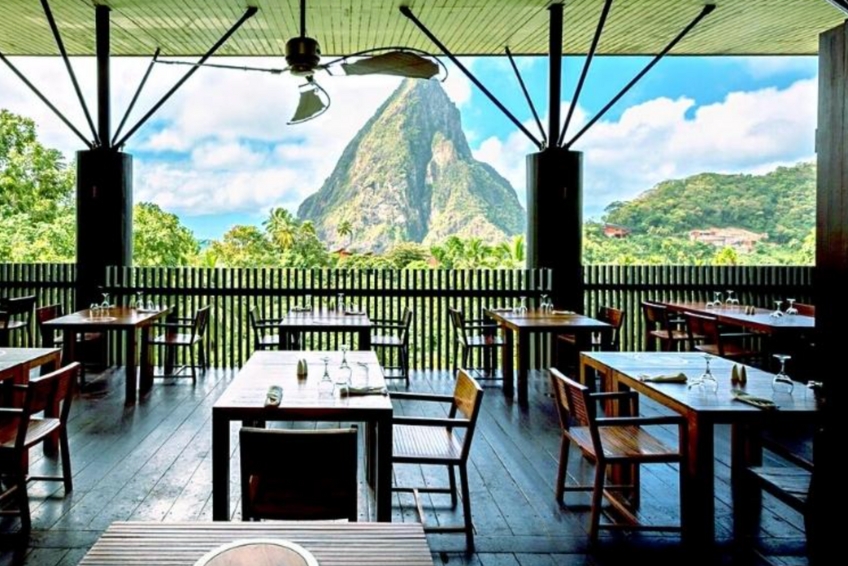
St. Lucia has a wide variety of restaurant and cuisine options available. From Castries to Soufriere, visitors can sample international cuisine as well as local dishes and fresh seafood aplenty. Here is our guide to the best restaurants in St. Lucia.

Caribbean Vacation Packing List
Packing for beach vacations shouldn’t be hard, so we’ve put together a unique beach vacation packing list to help and included some of our favorite items. From clothes to electronics and everything in between, we've got all the tips to make packing a breeze.

The Best Antigua All Inclusive Resorts
Whether you’re searching for family relaxation or some romance, each of these all-inclusive resorts in Antigua will deliver, with a dash of Caribbean luxury, and the perfect setting for your dream tropical vacation.

Aruba All Inclusive Resorts Guide
Aruba has a wide selection of excellent all inclusive resorts including 5-star luxury, family friendly, adults only and budget friendly options. Here is our guide to the best Aruba all inclusive resorts!

The Best Bahamas All Inclusive Resorts
The Bahamas has everything you could desire for a perfect tropical getaway; a warm climate, sparkling blue waters and friendly locals. Here are the best all-inclusive resorts in the Bahamas that you should definitely look into.

The Best Cayman Islands All Inclusive Resorts
Welcome to the ultimate guide to Cayman Islands all inclusive resorts! Whether you’re looking for a family-friendly resort or a romantic adults-only retreat, we’ve got you covered with this list of the best all inclusive resorts in the Cayman Islands.

The Best Dominican Republic All Inclusive Resorts
The Dominican Republic is known for its picturesque beaches, lush jungles, rich cultural heritage and friendly locals. Here is our list of the best Dominican Republic all inclusive resorts to make your visit to the Dominican Republic incredible.

The Best Jamaica All Inclusive Resorts
Welcome to the ultimate guide to Jamaica all inclusive resorts! Whether you’re looking for a family-friendly resort or a romantic adults-only retreat, we’ve got you covered with this list of the best all inclusive resorts in Jamaica!

The Best Puerto Rico All Inclusive Resorts
Are you ready for that Puerto Rico getaway? This guide to the best all inclusive resorts in Puerto Rico will help you to choose the perfect resort for your relaxation escape.

The Best St. Barts All Inclusive Resorts
St. Bart’s offers a refined and intimate atmosphere for a bevy of high-class travelers, including many celebrities. We’ve compiled the top six resorts in St. Bart’s for various budget types that you should check out.