
The 7 Best St. Lucia Water Activities
 Daniel Mode
Daniel Mode
Daniel Mode Laura Schulthies
Laura Schulthies
Laura SchulthiesWhen you’re ready to trade sun loungers for aquatic adventures, St. Lucia transforms into a water sports paradise where turquoise Caribbean waters meet volcanic landscapes and pristine coral reefs. This island nation offers extraordinary marine diversity within its protected waters, creating experiences that range from thrilling deep-sea fishing expeditions to peaceful mangrove kayaking adventures through nature’s hidden sanctuaries. We’ve identified the seven water activities that best showcase St. Lucia’s aquatic treasures, from adrenaline-pumping catamaran sailing to intimate encounters with dolphins and tropical fish in crystal-clear Caribbean waters.
This article contains affiliate links. If you click on our links, we may earn a small commission at no extra cost to you. This helps us continue to offer free travel guides, but does not influence our recommendations in any way. Thanks for supporting independent travel content.
Contents
click to see more images
1. Catamaran Sailing and Sunset Cruises: Caribbean Bliss on the High Seas
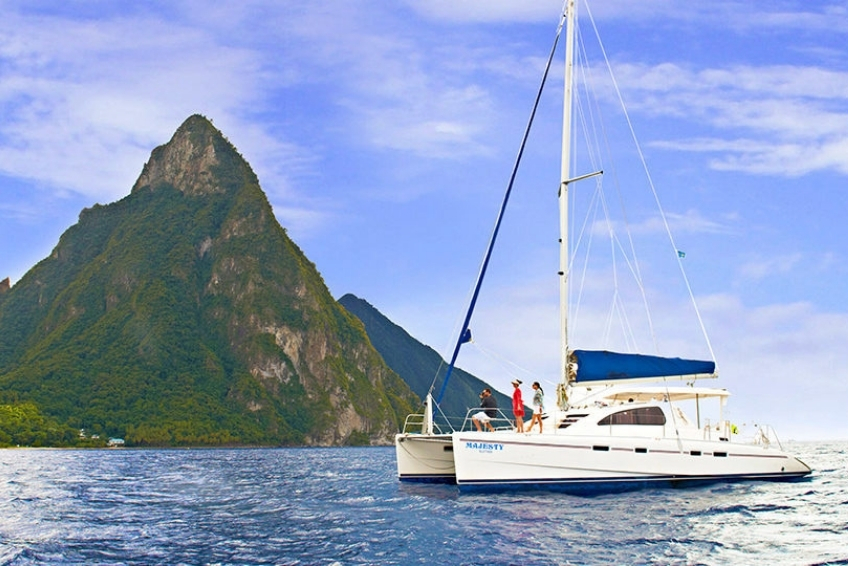
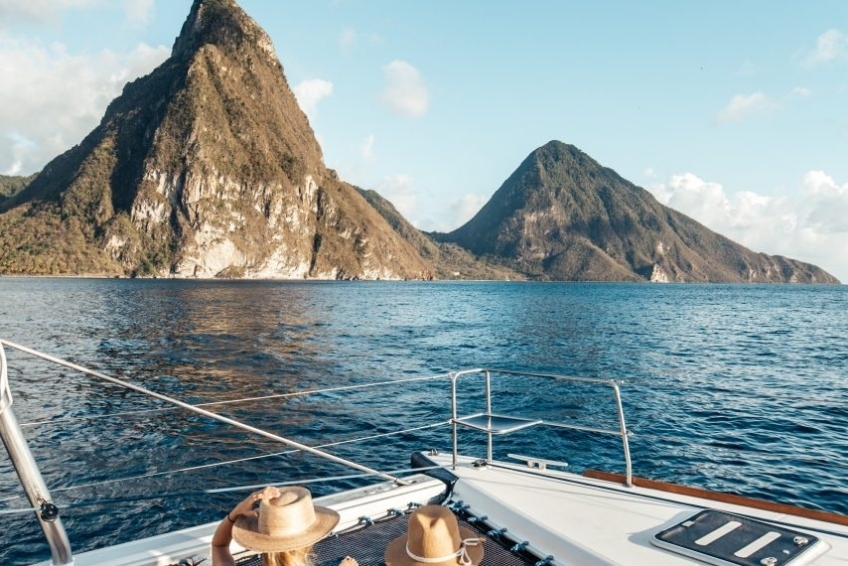
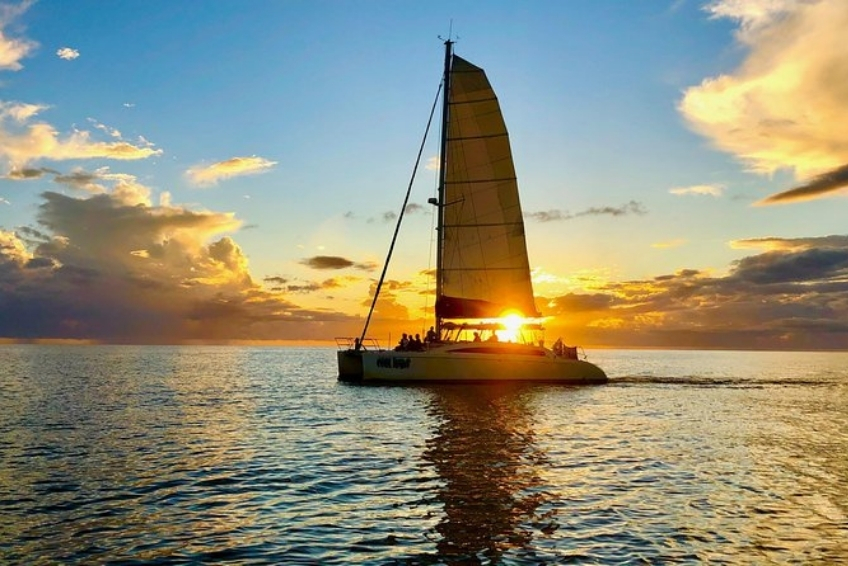
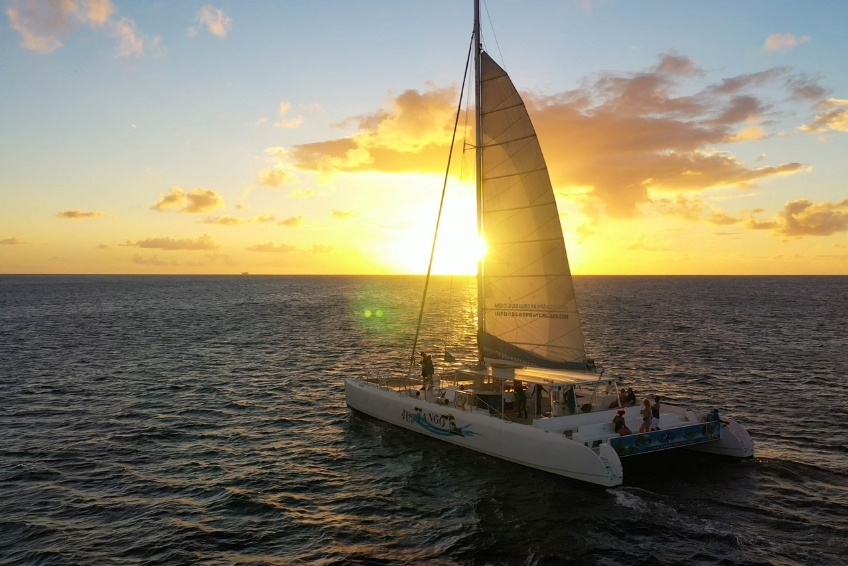
Catamaran sailing represents the quintessential St. Lucia water experience, combining breathtaking coastal scenery with relaxation, adventure, and the island’s legendary hospitality. These spacious, stable vessels provide the perfect platform for exploring St. Lucia’s dramatic western coastline while offering snorkeling opportunities, refreshments, and unforgettable sunset views. The protected leeward waters create ideal sailing conditions year-round, making this our top choice for visitors seeking the ultimate Caribbean experience.
Details at a Glance:
- Duration: Half-day (4-5 hours), full-day (6-8 hours), or sunset (2-3 hours) options
- Typical capacity: 12-50 passengers, depending on vessel size and tour type
- Current pricing: Sunset cruises from $75 USD per person; full-day tours $145 USD per person
- Best time: Morning departures (8:00-9:00 AM) for calmer seas and better wildlife viewing
- Age suitability: Family-friendly, though some operators have minimum age requirements (typically 3-5 years)
- Inclusions: Open bar (rum punch, beer, soft drinks), snorkeling equipment, lunch on full-day tours
- Departure points: Rodney Bay, Castries, Marigot Bay, and Soufriere, depending on the operator
- Seasonal considerations: December-April offers calmer conditions, while June-November provides better discounts
The Sailing Experience
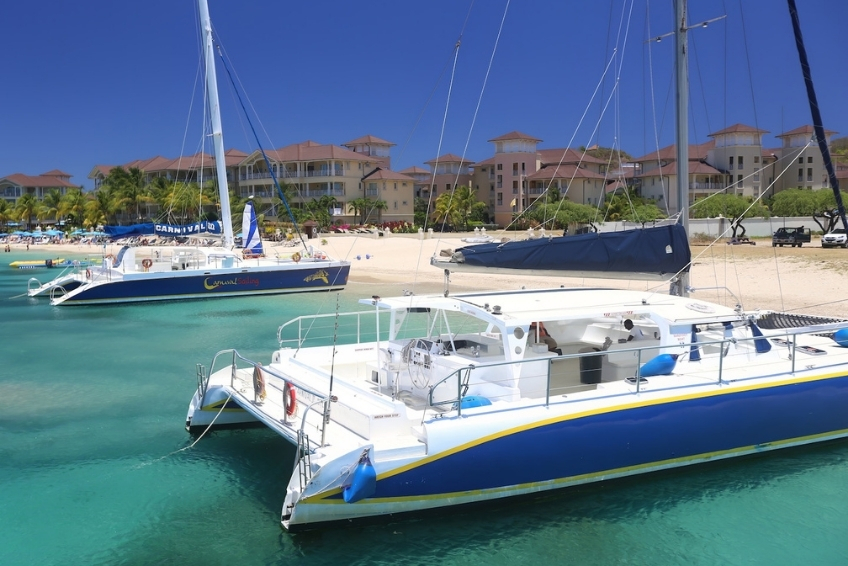
Modern catamarans ranging from 40 to 70 feet provide stable platforms with spacious decks, comfortable seating areas, and premium audio systems for music. The twin-hull design eliminates the rolling motion that affects traditional boats, making these vessels suitable for guests prone to seasickness. Professional crews handle all sailing operations, allowing passengers to relax and enjoy the scenery as dramatic volcanic peaks and lush rainforest coastlines unfold.
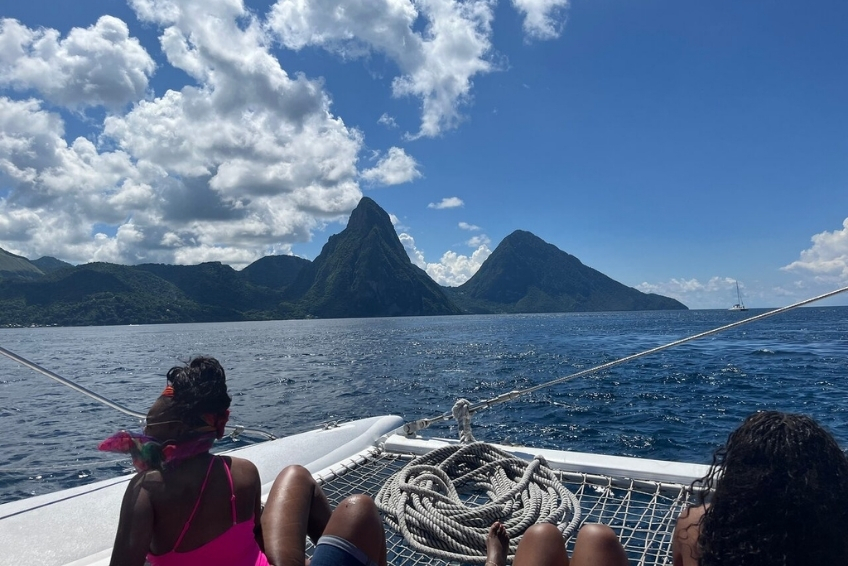
Most tours follow the scenic western coastline, where protected waters create optimal conditions for swimming and snorkeling. The route typically includes stops at Sugar Beach near the Pitons, Anse Chastanet, or Marigot Bay, offering multiple opportunities to explore underwater coral gardens teeming with tropical fish. Experienced crews know the best anchorage spots for different weather conditions and can adjust itineraries to maximize comfort and wildlife encounters.
Snorkeling and Swimming Stops
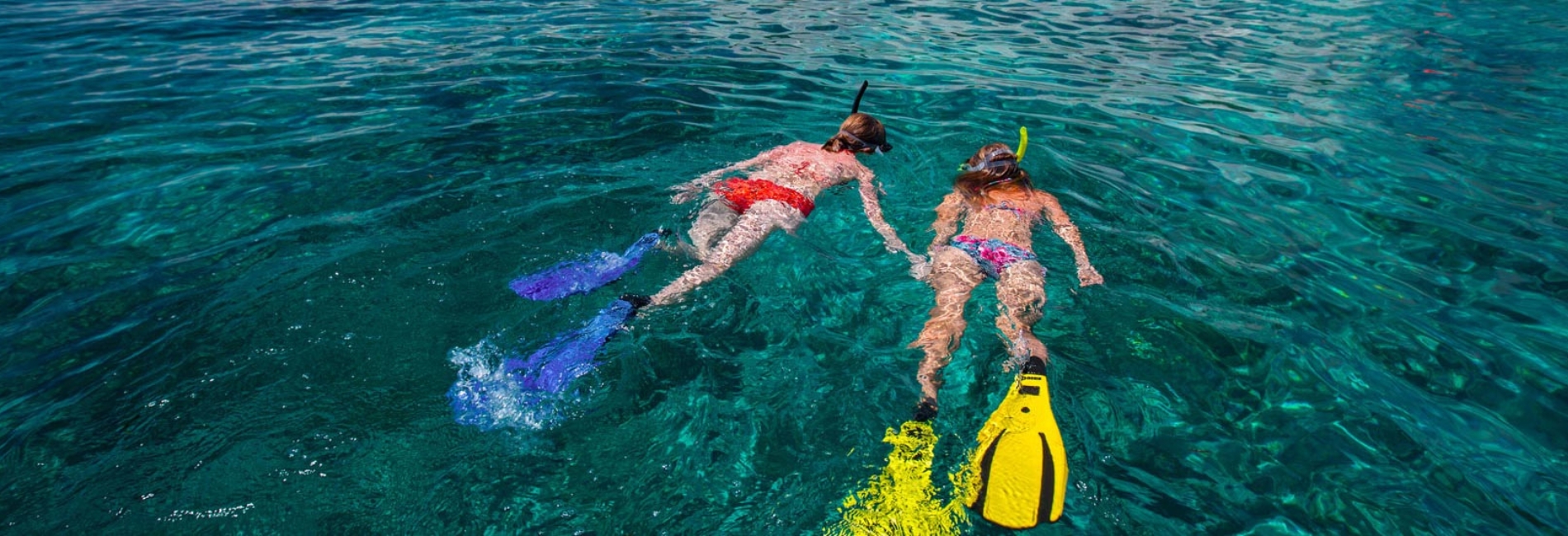
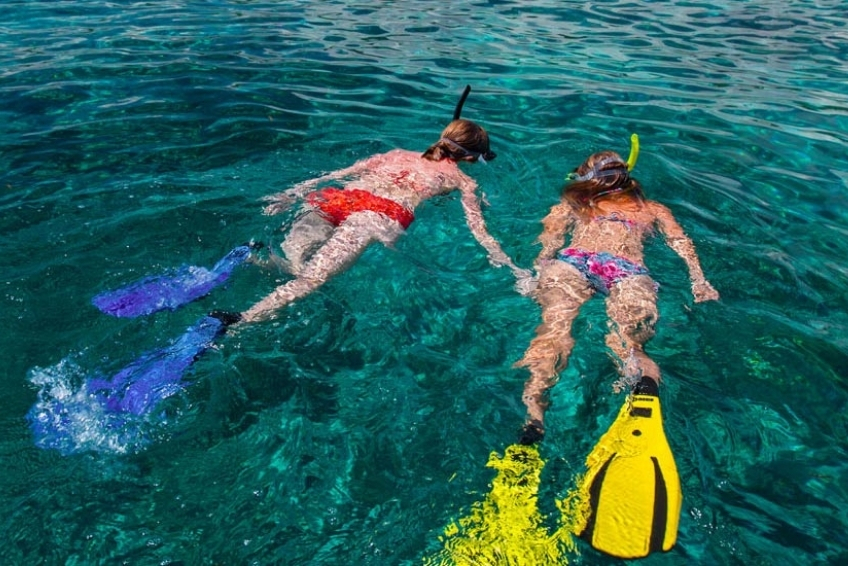
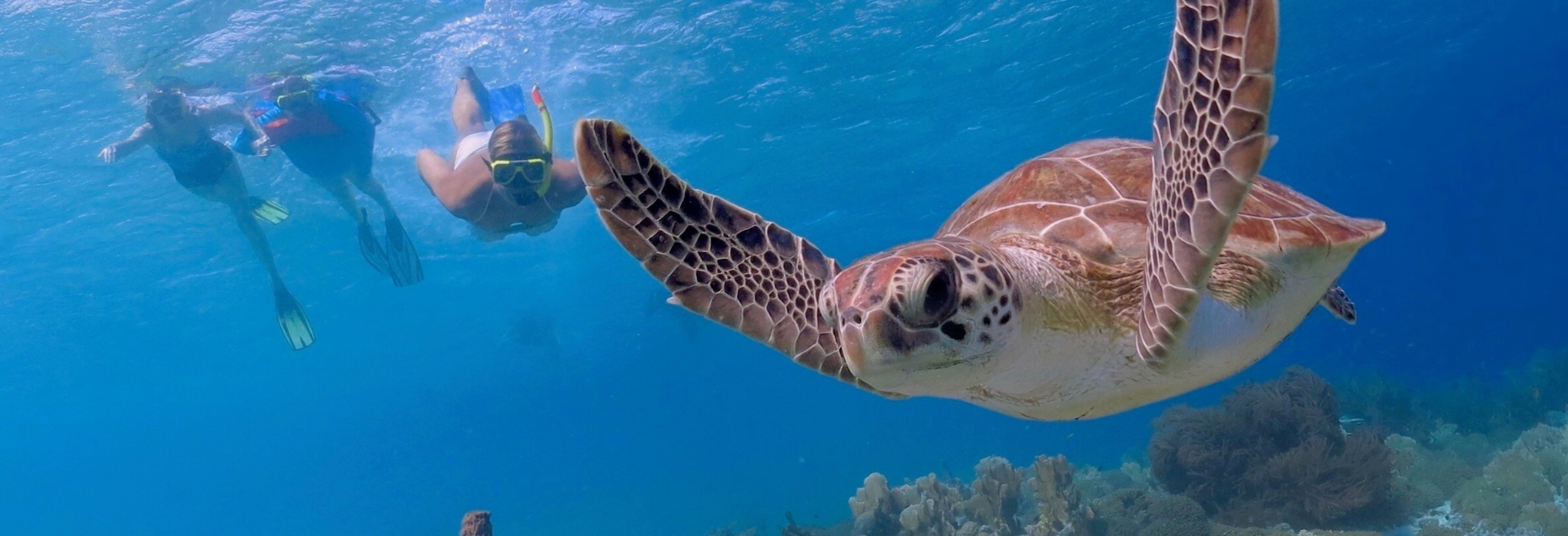
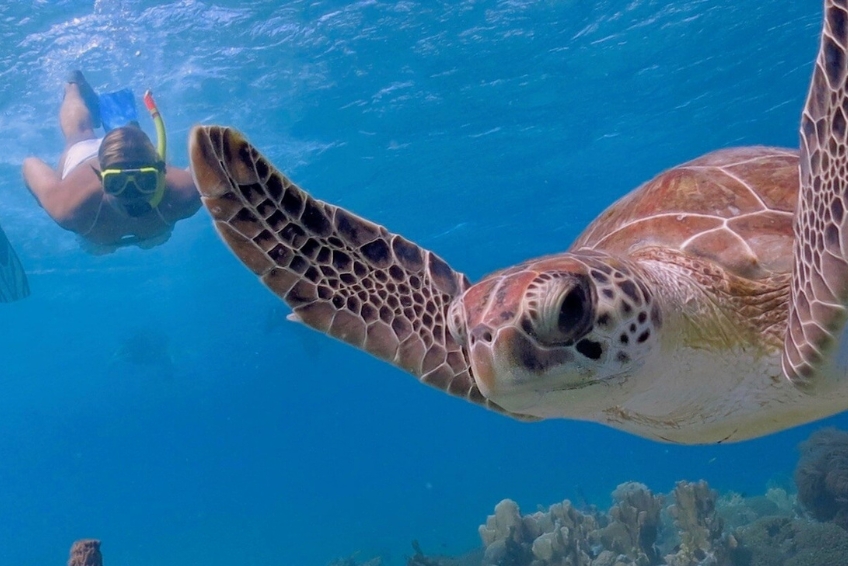
The western coast features numerous fringing reefs where snorkelers can explore coral formations populated by colorful sponges, parrotfish, angelfish, and occasional sea turtles. Most operators provide quality snorkeling equipment, including masks, fins, and flotation devices for nervous swimmers. Professional guides often accompany guests in the water, pointing out marine life and ensuring safety around coral formations.
Popular tour snorkeling stops include the waters around Anse Chastanet, where the marine preservation area protects vibrant coral ecosystems, and the sheltered bays near the Pitons. Water clarity often exceeds 100 feet and can reach over 200 feet during optimal conditions, though seasonal variations and weather can affect underwater viewing. The warm Caribbean waters (79-85°F year-round) require no wetsuits, making snorkeling comfortable for extended periods.
Sunset Sailing Magic
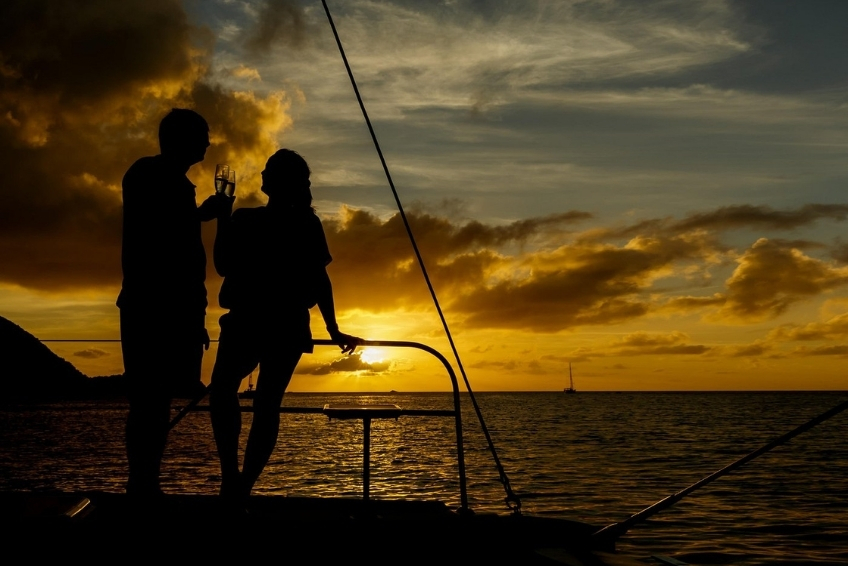
Evening catamaran cruises offer St. Lucia’s most romantic water activity, combining spectacular sunset views with relaxed sailing along the coast. These tours typically feature premium beverage service, local music, and positioning near the Pitons for optimal sunset photography. The golden hour lighting transforms the volcanic peaks into silhouettes against vibrant sky colors that photographers and romantics treasure.
Many guests on sunset sailing tours report seeing the rare “green flash” phenomenon just as the sun disappears below the horizon, creating magical moments that define Caribbean vacations. The combination of gentle trade winds, calm evening waters, and the dramatic Piton backdrop creates an atmosphere that consistently ranks among visitors’ most memorable St. Lucia experiences.
Onboard Amenities and Service
Professional crews provide attentive service throughout tours, maintaining full bars with local rum punch, Piton beer, and international beverages while preparing fresh local cuisine on full-day excursions. Many operators pride themselves on authentic Caribbean lunch experiences featuring grilled fish, rice and peas, plantains, and fresh tropical fruits. The social atmosphere aboard catamarans creates opportunities to meet fellow travelers while enjoying premium hospitality.
Safety equipment meets international standards, with life jackets, first aid supplies, and communication equipment standard on all licensed vessels. Experienced captains possess intimate knowledge of local waters, weather patterns, and marine wildlife, ensuring both safety and optimal experiences for guests.
Wildlife Encounters
St. Lucia’s waters support diverse marine life, with frequent sightings of flying fish, dolphins, and seasonal whale populations, including sperm whales and pilot whales. Experienced crews know productive wildlife viewing areas and adjust routes when conditions favor animal encounters. The deeper waters offshore from the Pitons provide habitat for larger pelagic species, while coastal regions support tropical reef fish communities.
Island Life Tips: We recommend choosing smaller vessel tours (12-20 passengers) over large commercial operations for more personalized service and flexibility. Book morning departures to avoid afternoon trade winds and cruise ship crowds that peak between 10:00 AM and 2:00 PM. Bring waterproof cameras and reef-safe sunscreen to protect both your memories and St. Lucia’s coral ecosystems.
click to see more images
2. Deep-Sea Sport Fishing: Trophy Waters for the Ultimate Angling Adventure
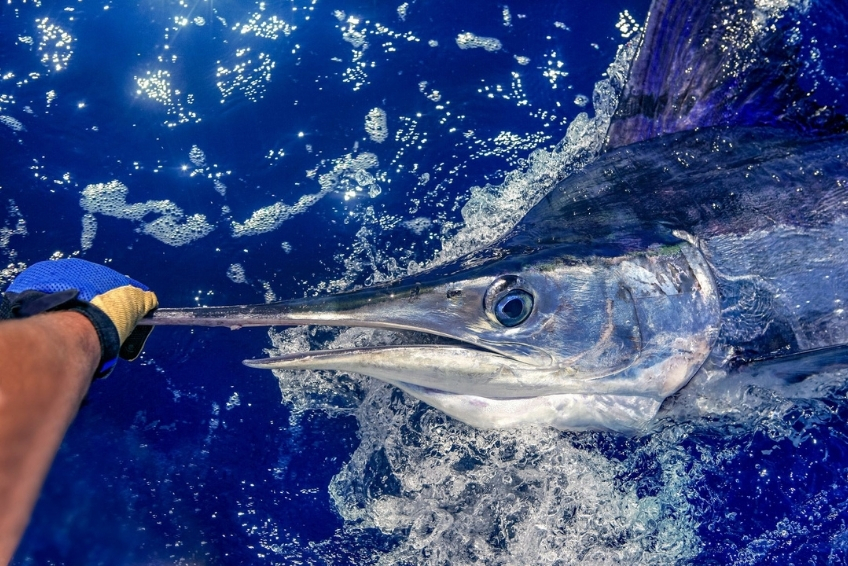
St. Lucia ranks among the Caribbean’s premier sport fishing destinations, where the seafloor drops dramatically to over 1,000 feet within less than a mile offshore, creating ideal habitat for blue-water game fish. This unique geography allows anglers to target trophy billfish, tuna, and dorado without lengthy boat rides to fishing grounds. The island’s volcanic origins create nutrient-rich currents that support diverse populations of pelagic species year-round, making St. Lucia a bucket-list destination for serious sport fishermen.
Details at a Glance:
- Duration: Half-day (4-6 hours), full-day (8-10 hours), or custom charters available
- Typical boat capacity: 4-8 anglers, depending on vessel size
- Current pricing: Half-day from $120-200 USD per person, full-day from $200-350 USD per person
- Peak seasons: Year-round fishing with best billfish action December-August
- Target species: Blue marlin, white marlin, sailfish, dorado (mahi-mahi), wahoo, yellowfin tuna, blackfin tuna
- Departure points: Rodney Bay Marina, Castries, Soufriere, and Marigot Bay
- Boat types: 33-50 foot sport fishing vessels equipped with outriggers and fighting chairs
- Experience levels: Novice to expert, with crews providing instruction and assistance
World-Class Fishing Grounds
The waters off St. Lucia’s western coast feature some of the deepest drop-offs in the Caribbean, where the continental shelf plunges from shallow coastal waters to depths exceeding 6,000 feet. This dramatic underwater topography concentrates baitfish and attracts the predatory species that sport fishermen prize. Professional fishing guides report consistent action on blue marlin, with the island record standing at 940 pounds. Historical catches include a 657-pound marlin in 2007 that was just 50 pounds short of the 707-pound record set in 1996.
The fishing grounds begin just 15-20 minutes from most marinas, allowing more time on productive waters rather than traveling to distant fishing areas. Currents flowing along the steep underwater walls create upwelling conditions that bring nutrients to the surface, supporting robust populations of flying fish, ballyhoo, and other baitfish that form the foundation of the offshore food chain.
Target Species and Seasonal Patterns
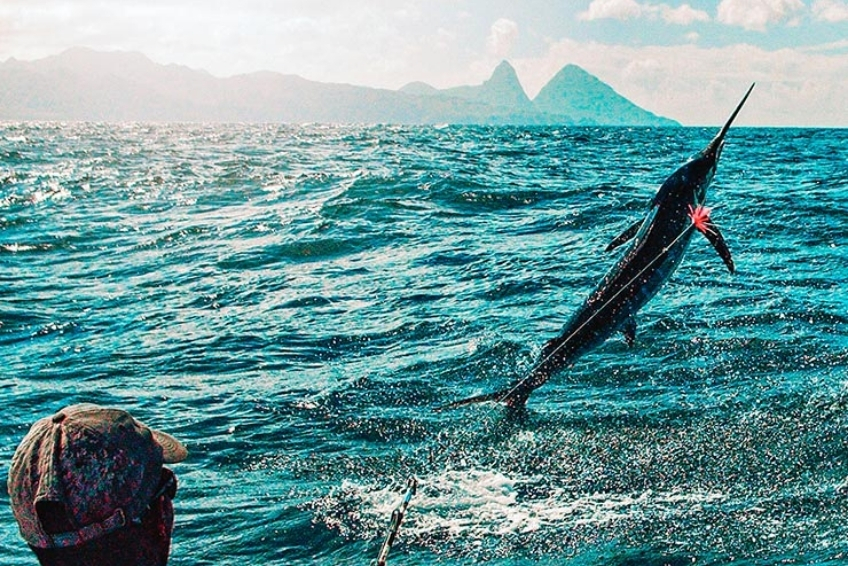
Billfish remain the primary target for most sport fishing charters, with blue marlin, white marlin, and sailfish available year-round. Peak marlin season runs from December through August, when larger specimens cruise the deep waters following bait schools. Tournament records include multiple marlin releases on single charters, with some half-day trips recording six billfish encounters.
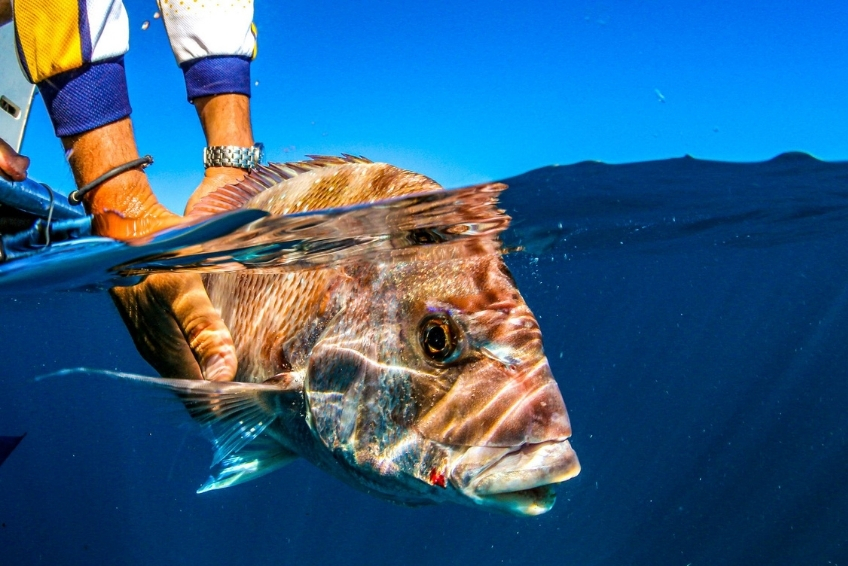
Dorado (mahi-mahi) provide excellent action for intermediate anglers, with fish averaging 15-40 pounds offering spectacular aerial displays when hooked. Wahoo and various tuna species add diversity to catches, while bottom fishing near underwater structures produces snappers, groupers, and other reef species. The variety ensures productive fishing regardless of conditions or angler experience levels.
Professional Charter Operations
St. Lucia’s fishing charter industry includes family operations with over 50 years of experience, providing intimate knowledge of local waters, seasonal patterns, and proven fishing techniques. Professional captains have tournament credentials and international competition experience, bringing expertise that maximizes fishing success.
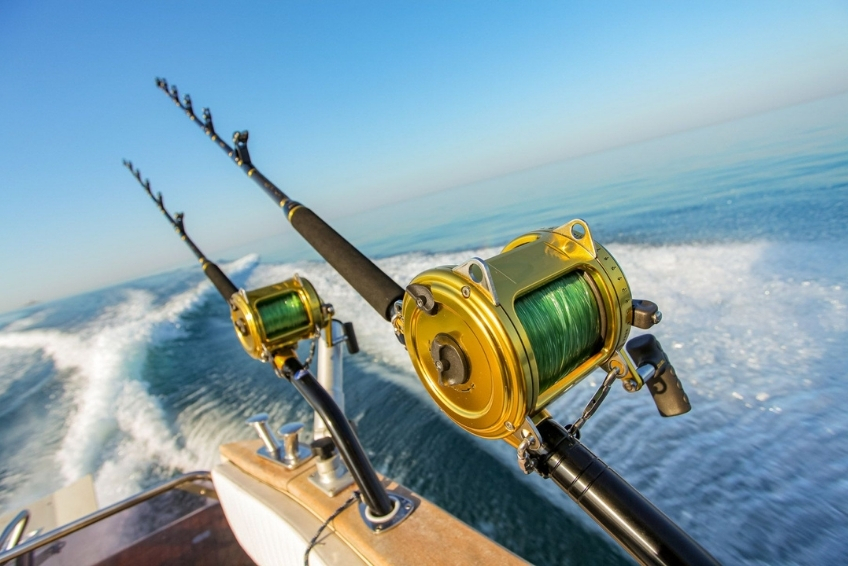
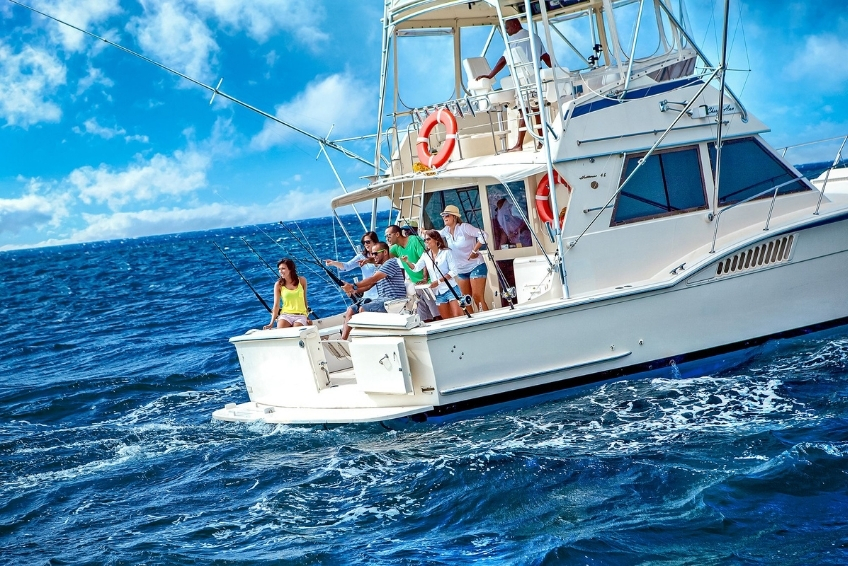
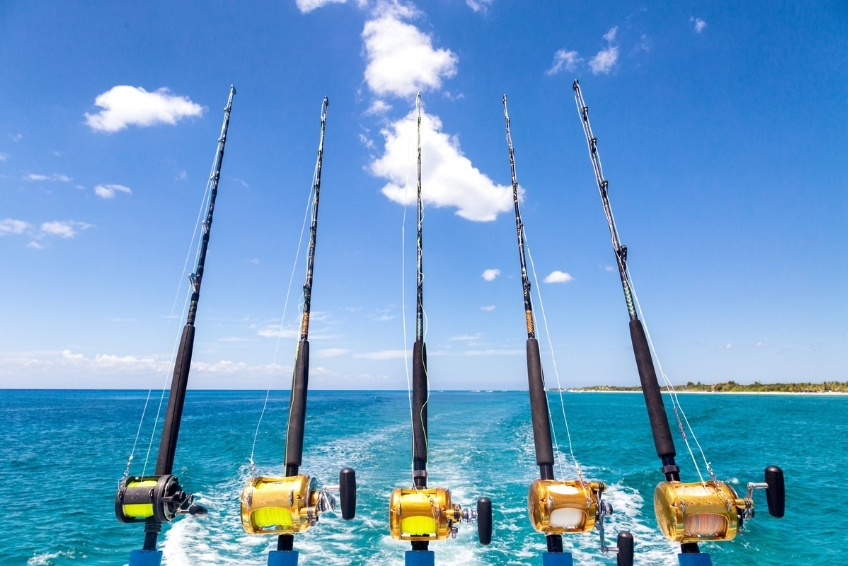
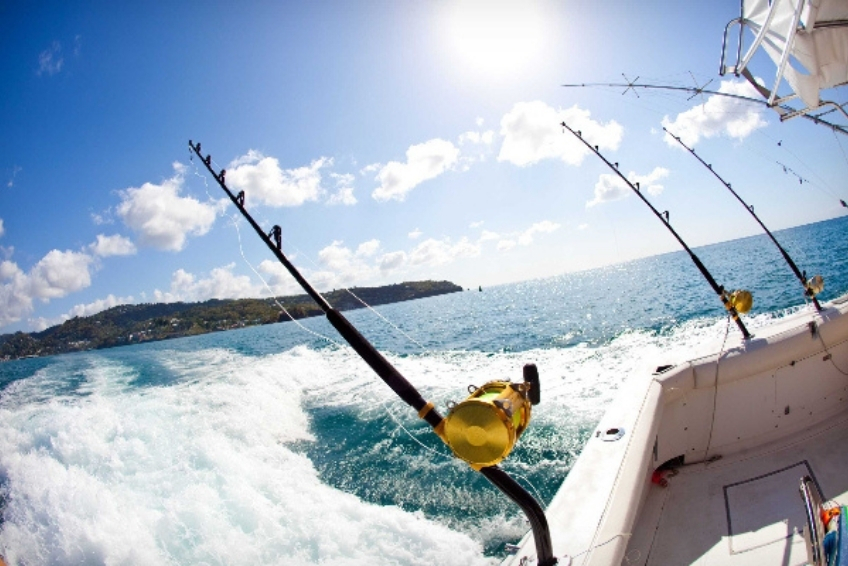
Modern fishing vessels range from 33-50 feet and feature professional-grade equipment including outrigger systems, fighting chairs, and high-quality tackle suitable for battling large game fish. Most charters practice catch-and-release fishing for billfish, ensuring sustainable populations for future generations while allowing anglers to experience the thrill of battling these magnificent creatures.
Family and Beginner-Friendly Options
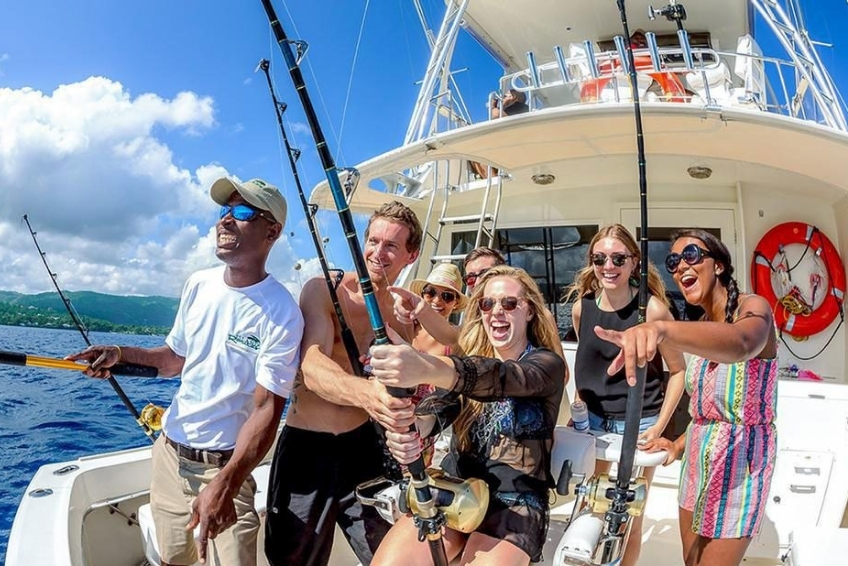
Many operators specialize in introducing families and novice anglers to deep-sea fishing, providing patient instruction and adjusting techniques to ensure everyone experiences success. Captains often combine fishing with sightseeing, dolphin watching, and coastal exploration to create comprehensive ocean experiences that appeal to non-fishing family members.
Bottom fishing and near-shore trolling provide action-packed alternatives for families with young children or guests seeking less intensive fishing experiences. These techniques typically produce consistent catches of medium-sized game fish and reef species that provide excitement without the extended battles associated with large billfish.
Tournament Fishing and Records
St. Lucia participates in regional fishing tournaments throughout the Caribbean, with local captains regularly placing in competitions held in Grenada, Barbados, Martinique, and other islands. The island hosts its own fishing tournaments that attract international participants seeking to test their skills against St. Lucia’s legendary billfish populations.
Record keeping and proper fish handling ensure accurate documentation of catches for potential tournament records or personal achievement recognition. Professional crews understand IGFA (International Game Fish Association) rules and can assist with proper documentation for anglers pursuing official records.
Equipment and Preparation
Charter boats provide all necessary fishing equipment, including high-quality rods, reels, tackle, and safety gear. Most operators include refreshments, lunch on full-day trips, and fish cleaning services for guests planning to prepare their catch. Crews handle all technical aspects of fishing, allowing guests to focus on the experience rather than equipment concerns.
Island Life Tips: We recommend booking full-day charters for the best billfish opportunities, as these species are most active during early morning and late afternoon periods. Choose operators with established reputations and tournament experience for the highest success rates. Bring motion sickness remedies even if you don’t typically experience seasickness, as fighting large fish in offshore waters can affect some people differently than passive boat rides. Many restaurants will prepare your catch for dinner, creating a complete ocean-to-table experience.
click to see more images
3. Snorkeling Adventures: Underwater Paradise in Protected Marine Sanctuaries
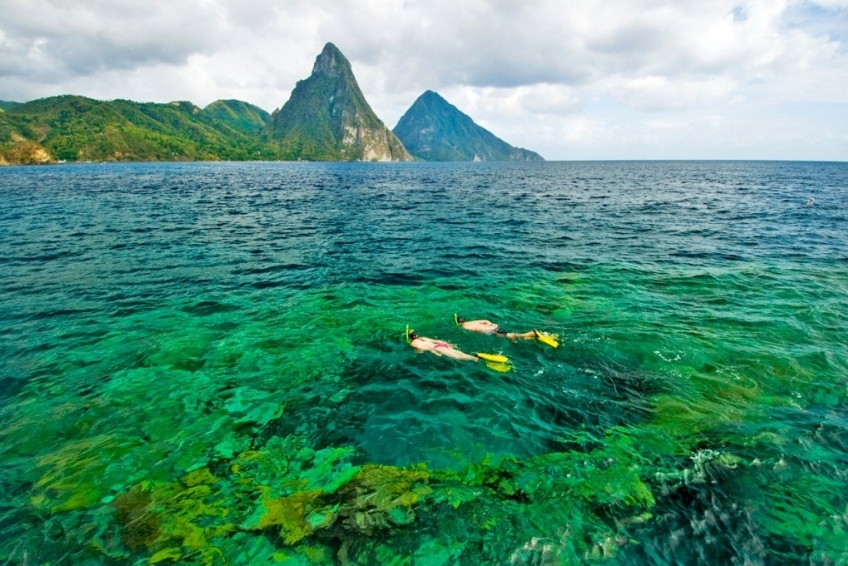
St. Lucia’s snorkeling opportunities showcase some of the Caribbean’s most accessible and diverse underwater ecosystems, where coral reefs, volcanic formations, and marine preservation areas create habitats supporting colorful tropical fish, sea turtles, and vibrant coral communities. The island’s leeward western coast, with around 25 dive sites, provides protected waters with excellent visibility and calm conditions ideal for snorkelers of all experience levels. Our choice for underwater exploration combines convenience, marine diversity, and professional guidance to create unforgettable aquatic encounters.
Details at a Glance:
- Duration: Half-day boat tours (3-4 hours), full-day combinations (6-8 hours), or shore-based snorkeling
- Current pricing: Boat tours from $65-120 USD per person, shore snorkeling typically free with equipment rental
- Best locations: Anse Chastanet, Sugar Beach, Anse des Pitons, Superman’s Flight, Piton Wall
- Equipment included: Mask, fins, snorkel, flotation devices, and professional instruction
- Visibility: Often exceeds 100 feet and can reach over 200 feet during optimal conditions
- Water temperature: 79-85°F year-round, no wetsuit required
- Age suitability: All ages with basic swimming ability, life jackets provided for weak swimmers
- Marine life: Parrotfish, angelfish, tangs, sea turtles, rays, moray eels, colorful sponges
Protected Marine Environments
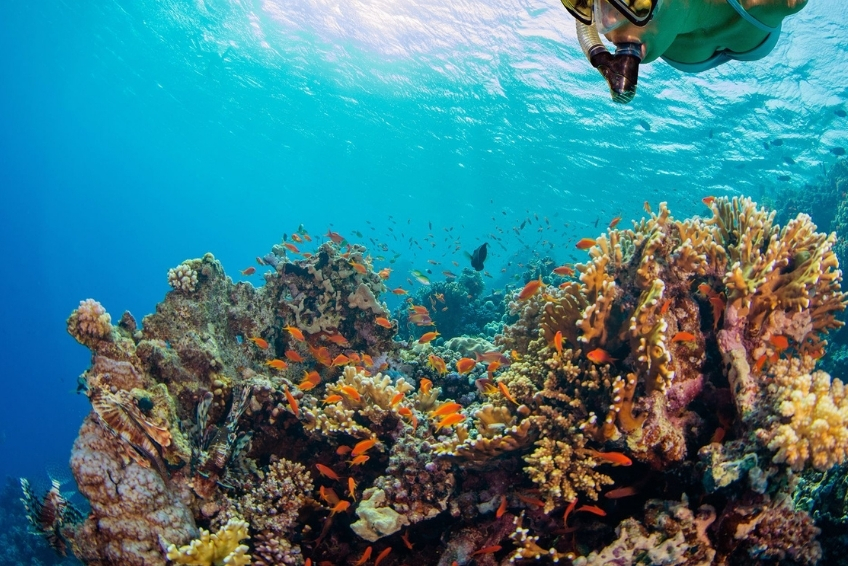
The Soufriere Marine Management Area protects key snorkeling sites from fishing and anchoring damage, ensuring healthy coral ecosystems and abundant fish populations. These fringing reefs feature large boulder formations covered with soft corals, sponges, and sea fans that create dramatic underwater topography perfect for exploration. The protection has resulted in fish populations that show little fear of snorkelers, allowing close encounters with tropical species.
The reef systems around Anse Chastanet and Sugar Beach provide easy beach access for independent snorkeling, while boat-accessible sites like Superman’s Flight and Piton Wall offer more advanced underwater terrain. Water depths range from shallow areas perfect for beginners to deeper walls suitable for confident swimmers seeking more challenging exploration.
Signature Snorkeling Locations
Anse Chastanet Beach represents St. Lucia’s premier shore-based snorkeling destination, where both ends of the beach feature healthy coral reefs within easy swimming distance of the shoreline. The northern end typically offers calmer conditions and shallower depths, while the southern reef provides more diverse marine life and slightly deeper waters. The resort manages beach access and equipment rental, though the reefs remain accessible to all visitors.
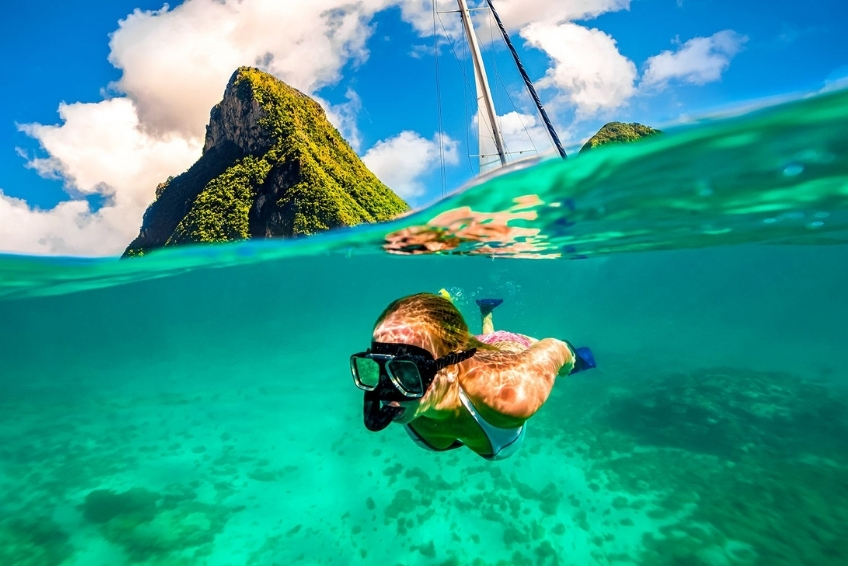
Sugar Beach near the Pitons provides one of the Caribbean’s most scenic snorkeling experiences, where guests can explore coral gardens while dramatic volcanic peaks tower overhead. The protected bay creates calm conditions ideal for families and nervous swimmers, with reef areas close to shore and luxury resort amenities available nearby.
Superman’s Flight, named after scenes filmed here for Superman II, offers a dramatic wall dive where snorkelers can explore deep coral formations and encounter larger pelagic species in the open water beyond the reef. This boat-only site provides more challenging snorkeling suitable for confident swimmers seeking adventure beyond typical reef experiences.
Marine Life Encounters
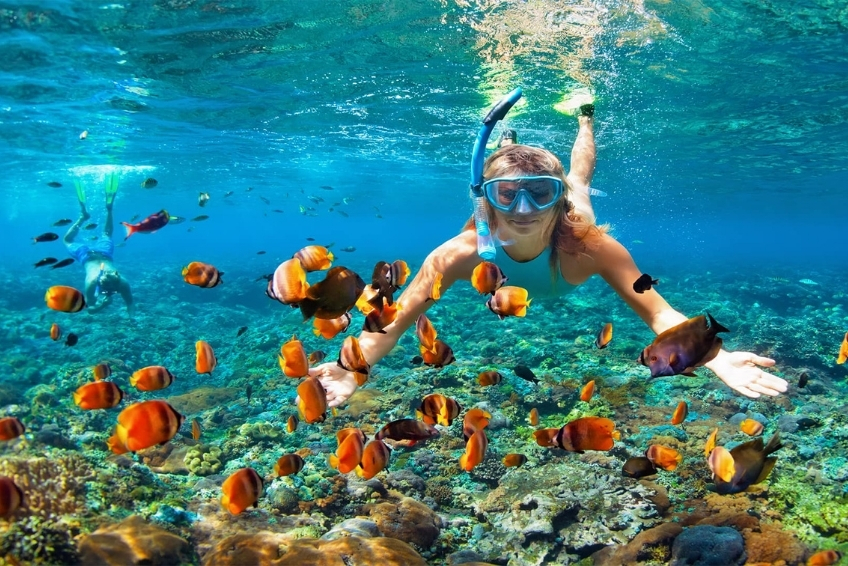
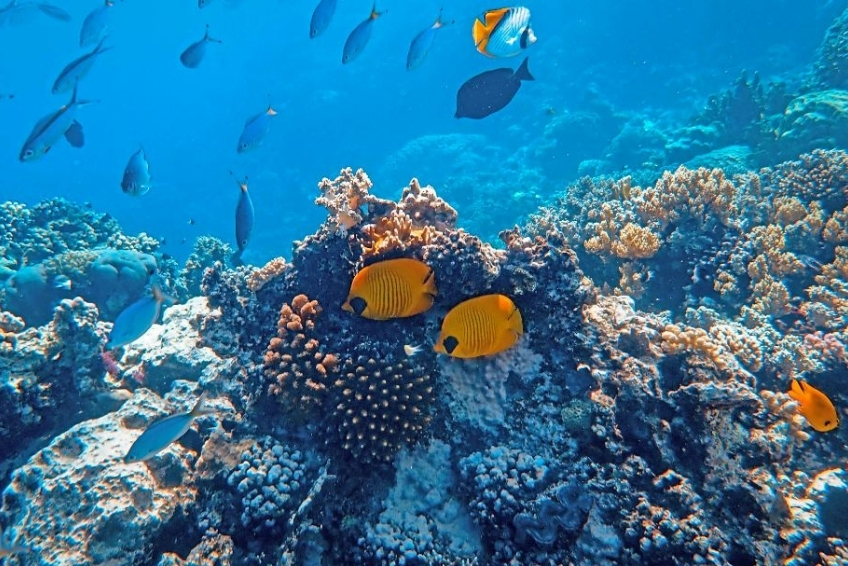
St. Lucia’s reefs support diverse fish communities, including large schools of tangs, parrotfish, and wrasses that create spectacular underwater displays. Patient snorkelers often encounter hawksbill sea turtles, spotted eagle rays, and the occasional Caribbean reef shark in deeper waters. The volcanic rock substrate supports unique sponge communities that add brilliant colors to the underwater landscape.
Moray eels inhabit crevices in the coral formations, while octopi and squid provide excitement for observant snorkelers who notice these masters of camouflage. Night snorkeling tours reveal different species, including lobsters, crabs, and nocturnal fish that remain hidden during daylight hours.
Professional Snorkeling Tours
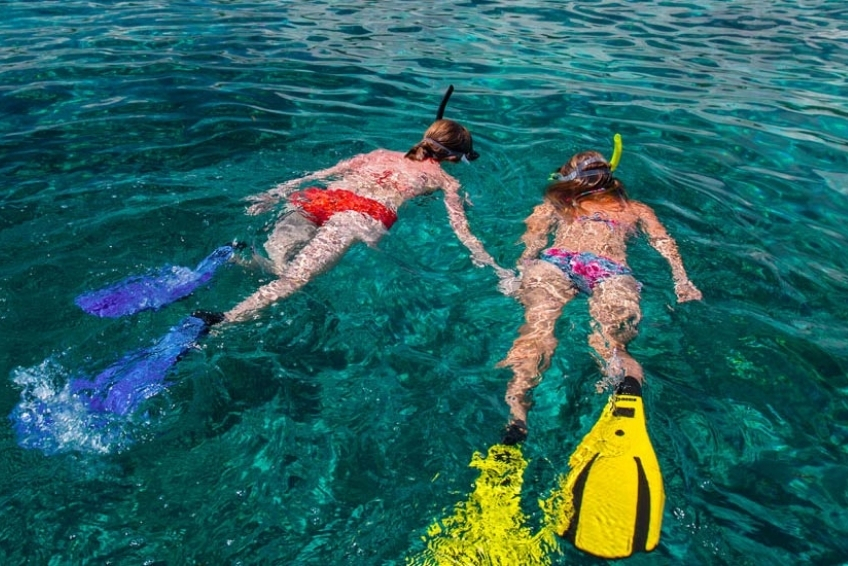
Professional snorkeling tours provide transportation, equipment, instruction, and guided underwater experiences that maximize marine life encounters while ensuring safety. Experienced guides accompany snorkelers in the water, pointing out marine species and assisting nervous swimmers with flotation devices and encouragement. Small group sizes (typically 6-12 participants) ensure personalized attention and flexibility to accommodate different experience levels.
Many operators combine snorkeling with coastal sightseeing, beach visits, and refreshments to create comprehensive half-day or full-day experiences. Professional boats provide fresh water rinses, changing areas, and storage for personal belongings while crews monitor weather and water conditions to ensure optimal snorkeling experiences.
SNUBA Alternative Experience
SNUBA tours provide a unique alternative that combines snorkeling and scuba diving, allowing participants to dive up to 20 feet below the surface while connected to air supplies on the surface. This system requires no certification but provides access to deeper coral formations and marine life typically unavailable to surface snorkelers. Professional instruction ensures safe experiences for participants who are comfortable in the water but are seeking more than traditional snorkeling offers.
Equipment and Safety Considerations
Quality snorkeling equipment significantly impacts underwater experiences. Many experienced snorkelers recommend purchasing personal masks for proper fit and hygiene, while fins and snorkels can be rented satisfactorily from local operators. Prescription masks are available for guests requiring vision correction underwater.
Reef-safe sunscreen protects both snorkelers and coral ecosystems from harmful chemicals that damage marine environments. Waterproof cameras capture underwater memories, though experienced snorkelers emphasize experiencing marine encounters directly rather than focusing primarily on photography.
Shore vs. Boat Snorkeling
Shore-based snorkeling offers independence and cost savings but limits access to the most pristine reef areas. Boat tours provide access to protected marine sanctuaries, multiple snorkeling sites, and professional guidance, but require higher investment and fixed schedules. Many visitors combine both approaches, using shore snorkeling for practice and boat tours for premium underwater experiences.
Island Life Tips: We recommend starting with shore-based snorkeling at Anse Chastanet or Sugar Beach to assess comfort levels before booking boat tours to more challenging sites. Bring your own mask for a better fit and hygiene, and purchase reef-safe sunscreen to protect St. Lucia’s coral ecosystems. Early morning snorkeling offers calmer waters and better marine life activity before afternoon winds develop. Consider staying at resorts with house reefs to maximize snorkeling opportunities throughout your vacation.
click to see more images
4. Kayaking Through Mangrove Sanctuaries: Peaceful Paddling in Nature's Hidden World
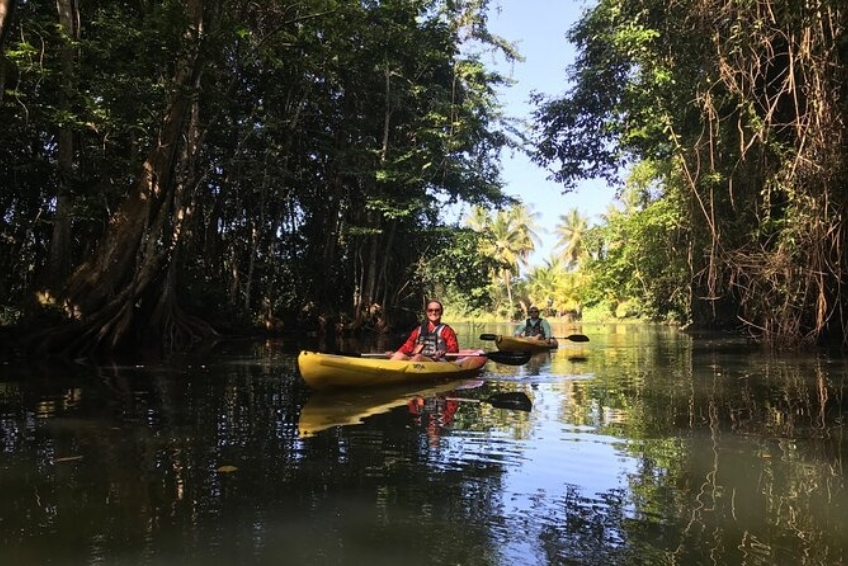
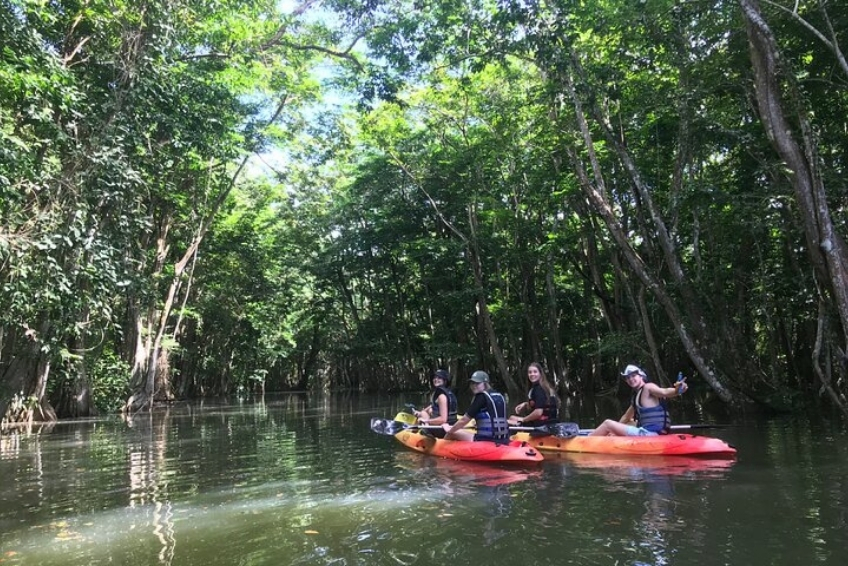
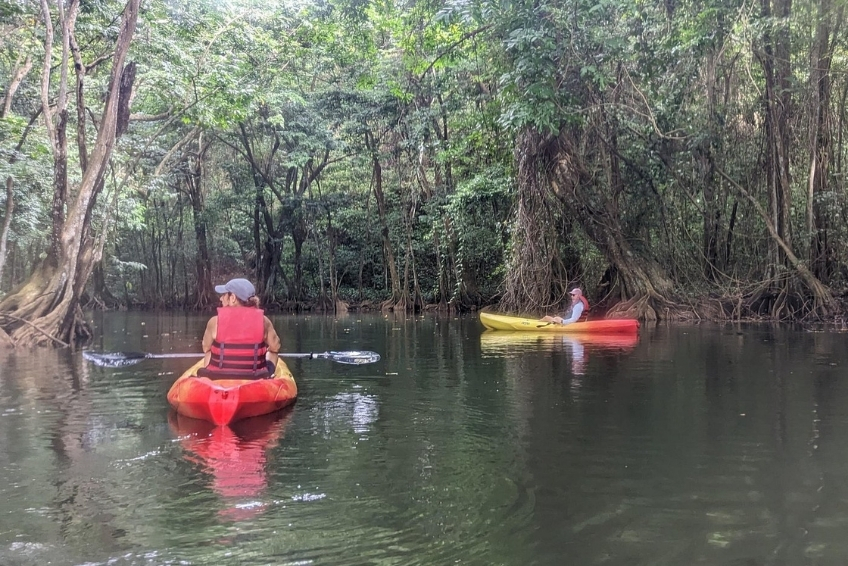
Kayaking through St. Lucia’s mangrove ecosystems provides intimate encounters with pristine Caribbean nature, where peaceful waterways wind through canopied lagoons and mangrove forests teeming with birdlife and marine creatures. The journey from Marigot Bay to the Roseau River represents our top choice for nature lovers, combining scenic coastal paddling with exploration of protected mangrove sanctuaries that showcase St. Lucia’s ecological diversity. This moderate adventure suits all fitness levels while providing educational insights into Caribbean coastal ecosystems.
Details at a Glance:
- Duration: 2-4 hours total, including transportation and safety briefing
- Distance: 4-5 miles total paddling with varied terrain and rest stops
- Current pricing: $65-95 USD per person including equipment and instruction
- Difficulty: Moderate, requiring basic fitness and 30 minutes of continuous paddling ability
- Age requirements: Typically 8+ years, though family-friendly options are available
- Departure points: Marigot Bay, with a short crossing to the launch site
- Equipment included: Expedition kayaks with rudders, paddles, life jackets, and dry storage
- Best time: Morning departures (8:00-9:00 AM) for optimal wildlife viewing and calmer conditions
- Group size: 2-12 participants for personalized instruction and environmental education
The Marigot Bay to Roseau River Route
The adventure begins in picturesque Marigot Bay, featured in the original Dr. Dolittle movie, where participants receive kayaking instruction and safety orientation before paddling into the protected harbor. The launch site provides access to expedition-quality kayaks with rudder systems and watertight storage compartments.
The coastal section follows St. Lucia’s dramatic western shoreline for approximately 20 minutes, passing volcanic cliffs, secluded coves, and occasional blowholes where waves crash through natural rock formations. Experienced guides adjust routes based on sea conditions and group abilities, ensuring comfortable progression from protected bay waters to the open Caribbean Sea before entering the Roseau River system.
Mangrove Forest Exploration
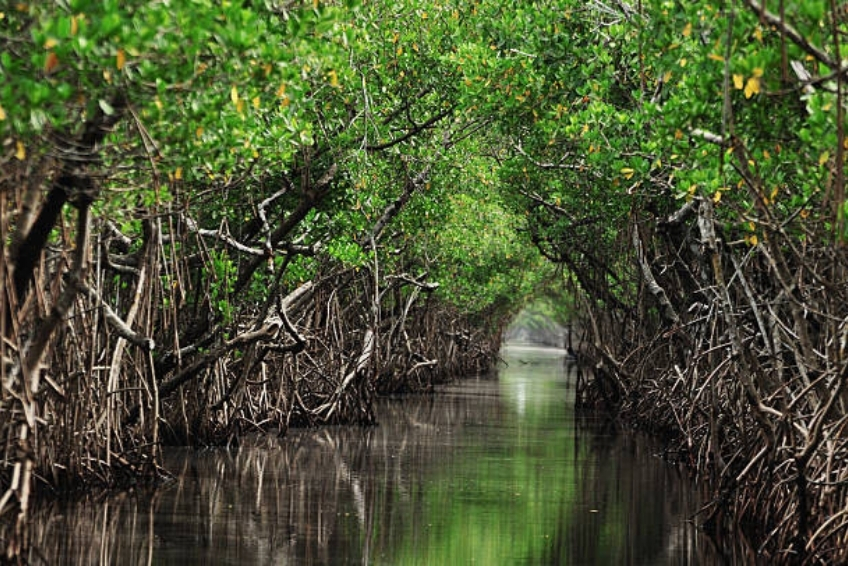
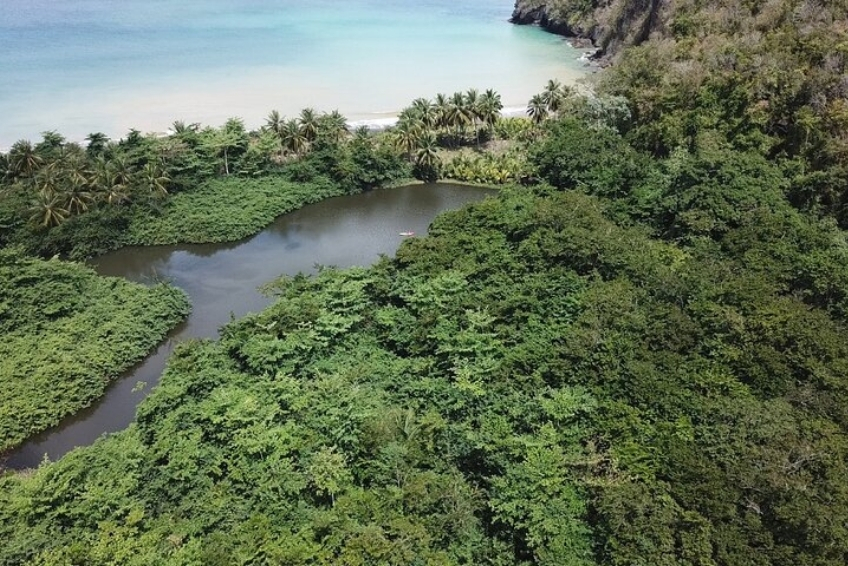
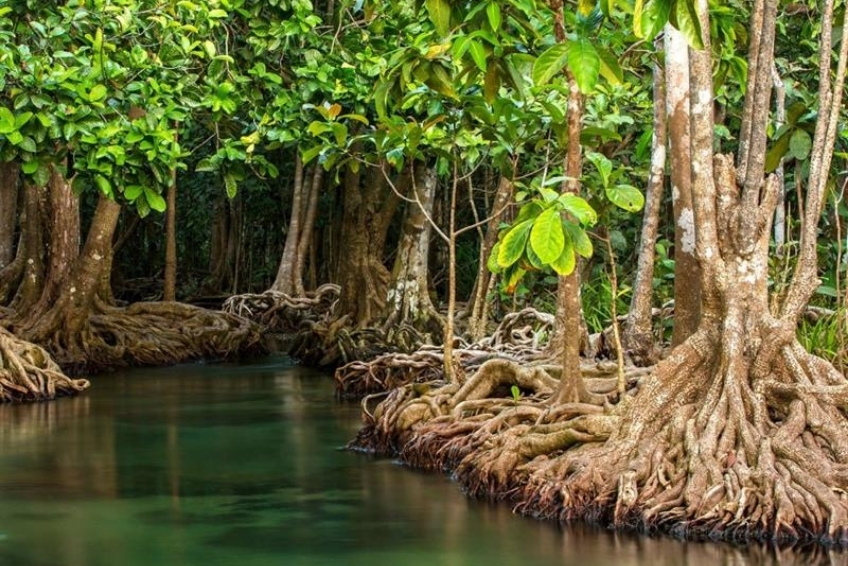
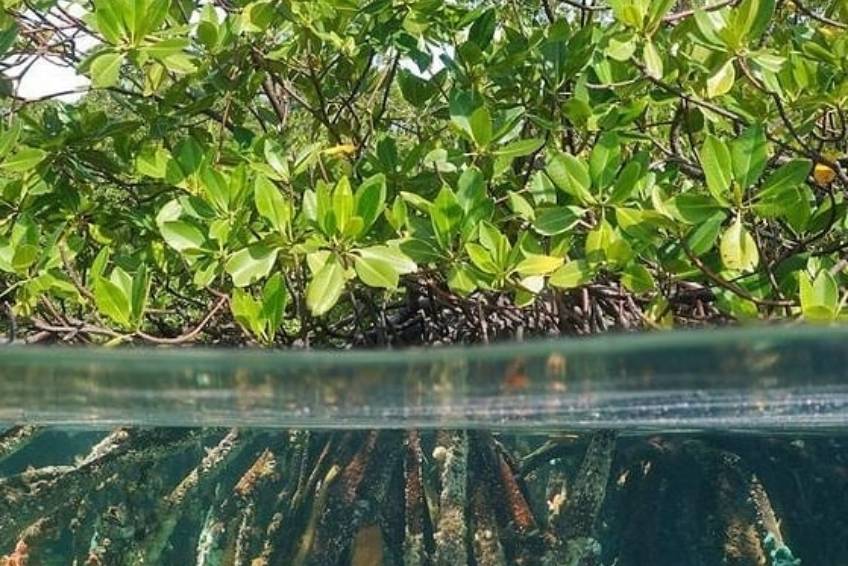
The entrance to Roseau River reveals a completely different ecosystem where red mangroves create natural tunnels and canopied waterways that feel transported back in time. The transition from open ocean to protected lagoon showcases how mangrove forests serve as nurseries for marine life while providing crucial coastal protection against storms and erosion.
Paddling through the mangrove tunnel reveals a “glorious smooth-as-glass, petal-ridden arch” where dappled sunlight filters through dense foliage and creates cathedral-like spaces perfect for reflection and photography. The narrow waterways require careful navigation but reward paddlers with intimate access to ecosystems that remain largely unchanged since pre-Columbian times.
Wildlife and Ecological Education
The mangrove ecosystems support diverse birdlife including herons, egrets, kingfishers, and various tropical species that nest in the protective canopy. Experienced guides provide environmental education, explaining how mangrove root systems filter water, provide fish habitat, and protect coastlines from storm damage. Patient observation often reveals juvenile fish, crabs, and other marine species that depend on mangrove nurseries for survival.
The ecological diversity demonstrates the interconnections between marine and terrestrial environments, with mangrove forests serving as critical transition zones between land and sea. Guides identify medicinal plants, explain traditional uses of native species, and discuss conservation efforts protecting these fragile ecosystems from development pressure.
Cultural and Agricultural Encounters
The upstream section often includes visits to local plantations where paddlers can sample freshly picked tropical fruits including starfruit, guava, coconut water, small bananas, almonds, and tamarind figs. These authentic cultural exchanges provide insights into traditional Caribbean agriculture and sustainable farming practices that have supported island communities for generations.
Local farmers sometimes offer coconut rum tastings and demonstrate traditional food preparation techniques, creating opportunities for cultural learning that extend beyond the natural history focus of most eco-tours. These interactions support local communities while providing visitors with authentic Caribbean experiences unavailable through resort-based activities.
Professional Guides and Safety
Professional guides like Vanessa and Andre receive consistent praise for their environmental knowledge, safety awareness, and ability to create memorable experiences for paddlers of all skill levels. Guide training includes kayak instruction, rescue techniques, and extensive knowledge of local ecosystems, ensuring both safety and educational value throughout tours.
Expedition kayaks feature stable designs with rudder systems that simplify navigation, while watertight storage compartments protect personal belongings and cameras from water damage. Safety equipment includes properly fitted life jackets, first aid supplies, and communication devices for emergencies, though the protected waterways present minimal risks for properly guided groups.
Combination Tours and Add-On Activities
Many operators combine kayaking with snorkeling opportunities, allowing participants to explore both terrestrial and marine ecosystems during single tours. Swimming and snorkeling stops at secluded beaches provide refreshing breaks between paddling sections while showcasing the coral reefs that complement mangrove ecosystems.
Full-day combinations might include coastal sightseeing, cultural village visits, or lunch at local restaurants that specialize in traditional Caribbean cuisine prepared with locally sourced ingredients. These comprehensive tours maximize the educational and cultural value of kayaking experiences while supporting sustainable tourism practices.
Physical Requirements and Preparation
Participants must possess basic swimming ability and fitness sufficient for 30 minutes of continuous paddling, though the stable kayak designs and experienced instruction make tours accessible to most healthy adults and children. Previous kayaking experience is not required, as guides provide comprehensive instruction and adjust techniques to accommodate different skill levels.
Clothing recommendations include swimwear under quick-dry clothing that may get wet, along with sun protection and waterproof storage for cameras and personal items. The tropical climate requires adequate hydration and sun protection, while insect repellent provides comfort in mangrove areas where mosquitoes and no-see-ums may be present.
Island Life Tips: We recommend making reservations well in advance, especially during peak season when small group tours fill quickly. Wear swimwear under lightweight, quick-dry clothing and bring waterproof protection for cameras and phones. Most importantly, embrace the slower pace required for wildlife observation and cultural encounters that make this experience unique among Caribbean water activities.
click to see more images
5. Whale and Dolphin Watching: Majestic Marine Mammals in Protected Waters
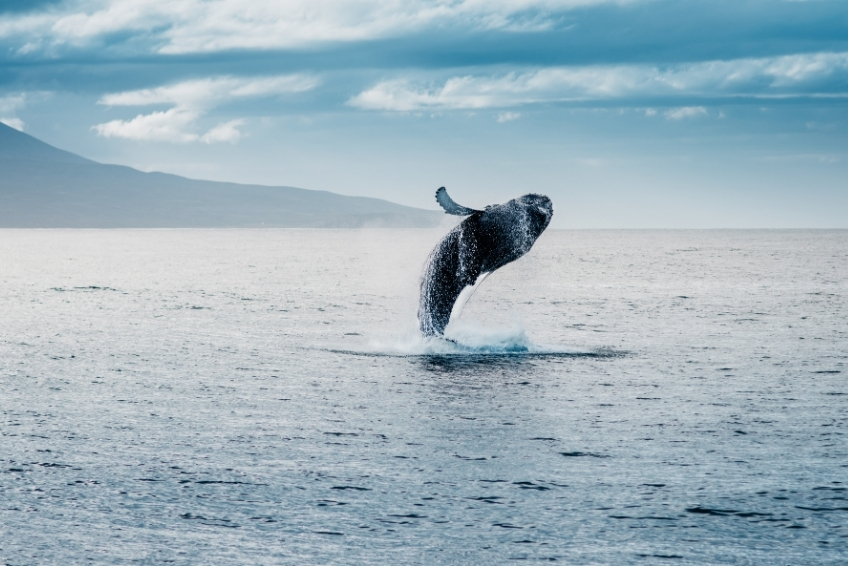
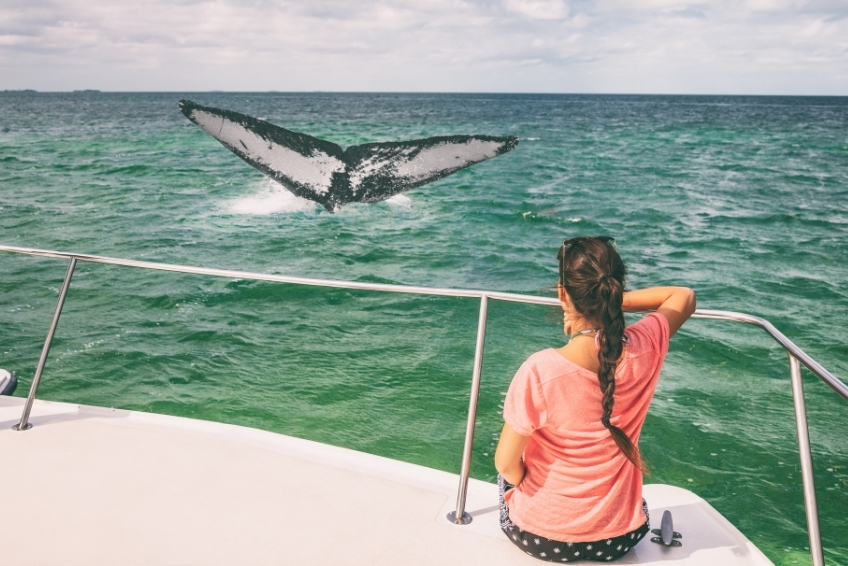
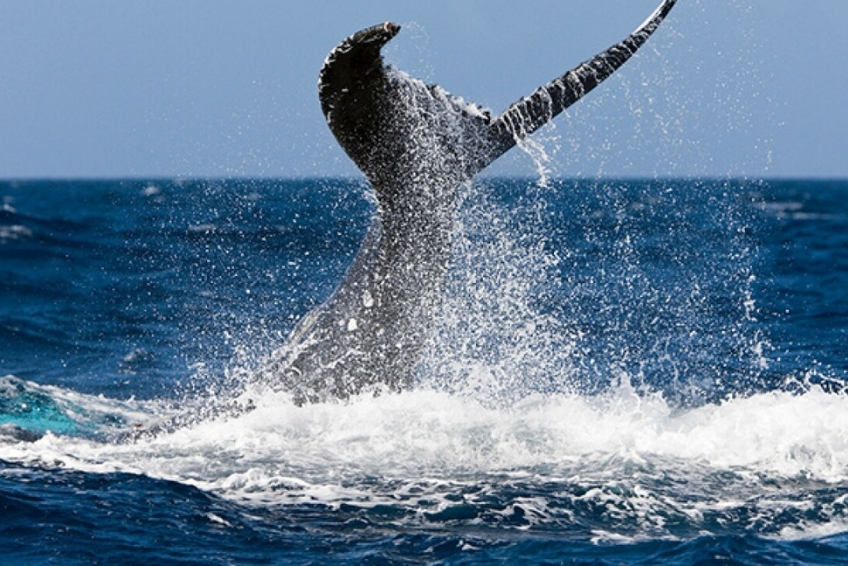
St. Lucia’s deep offshore waters provide year-round habitat for diverse whale and dolphin populations, where sperm whales, pilot whales, and several dolphin species can be observed in their natural environment just miles from the coastline. The island’s unique position in the Caribbean creates optimal conditions for marine mammal viewing, with resident populations supplemented by seasonal migrants that use these protected waters for feeding and breeding. Our choice for wildlife enthusiasts combines spectacular marine encounters with educational insights into Caribbean cetacean conservation.
Details at a Glance:
- Duration: Half-day tours (3-4 hours), full-day combinations (6-8 hours) with additional activities
- Current pricing: Tours from $65-110 USD per person
- Success rates: Approximately 90% for dolphin sightings; whale sightings are not guaranteed
- Peak seasons: Sperm whales year-round, humpback whales January-March, pilot whales February-May
- Departure points: Castries, with some tours from Rodney Bay and Soufriere
- Boat types: Stable catamarans and specialized wildlife viewing vessels with elevated platforms
- Distance offshore: 3-8 miles from the coast, depending on recent sightings and weather conditions
- Group size: 12-50 passengers depending on vessel size and tour operator
- Target species: Humpback, sperm and pilot whales; spinner, spotted, Fraser’s and common dolphins
Marine Mammal Diversity
St. Lucia’s waters support resident populations of sperm whales, short-finned pilot whales, and several dolphin species including spinner dolphins, spotted dolphins, Fraser’s dolphins, and common dolphins. The deep waters off the western coast provide feeding grounds for these species, while the island’s protection from Atlantic swells creates calmer viewing conditions than many Caribbean destinations.
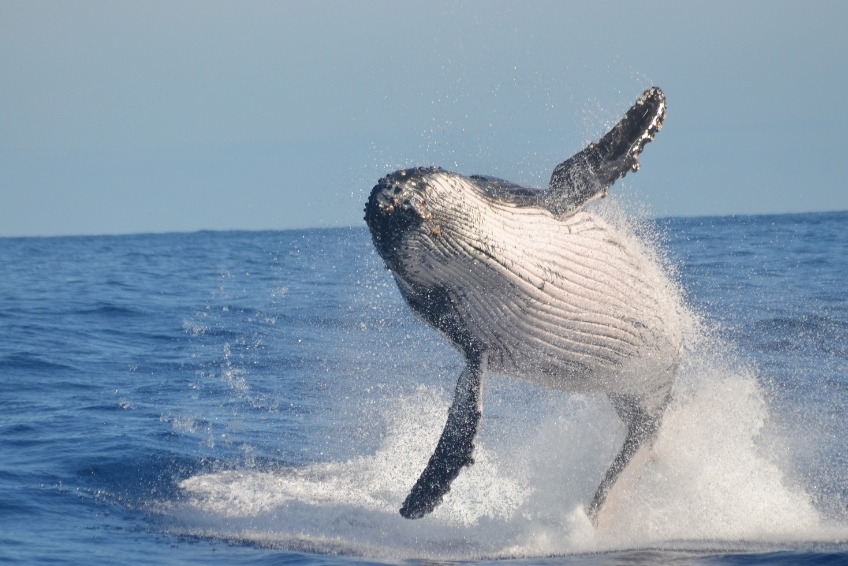
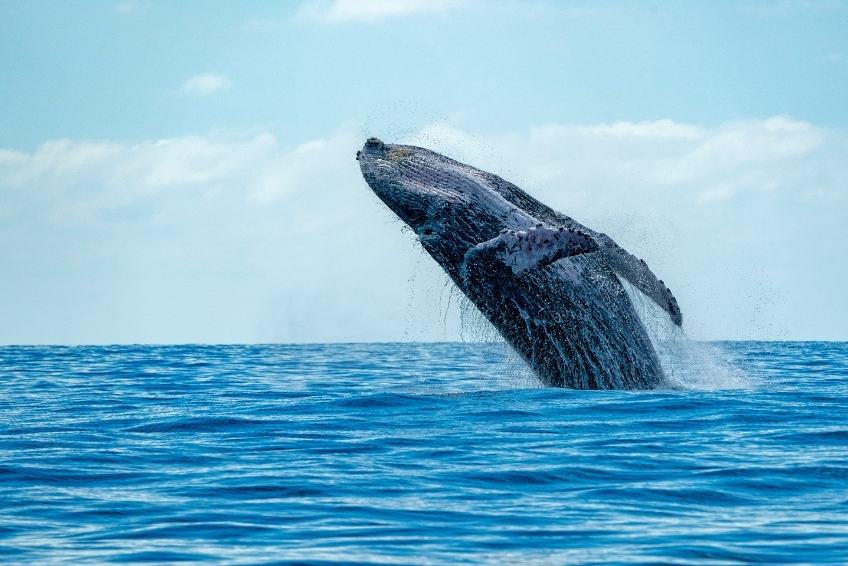
Sperm whales represent the most frequently encountered large species, with family groups often visible year-round in waters 1,000-6,000 feet deep. These magnificent creatures, reaching lengths of 60 feet, provide unforgettable encounters as they surface to breathe between deep feeding dives. Pilot whales travel in larger pods and offer spectacular group viewing opportunities, especially during their peak season from February through May.
Dolphin Encounters
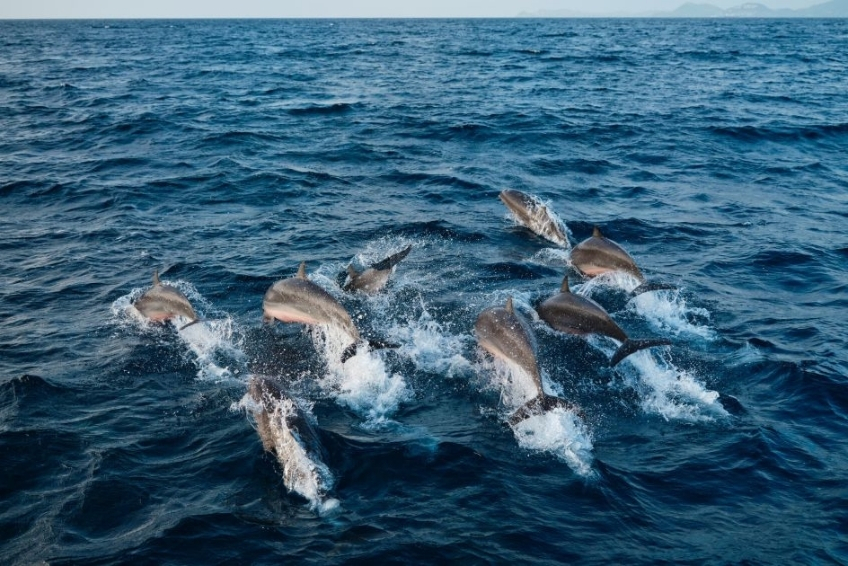
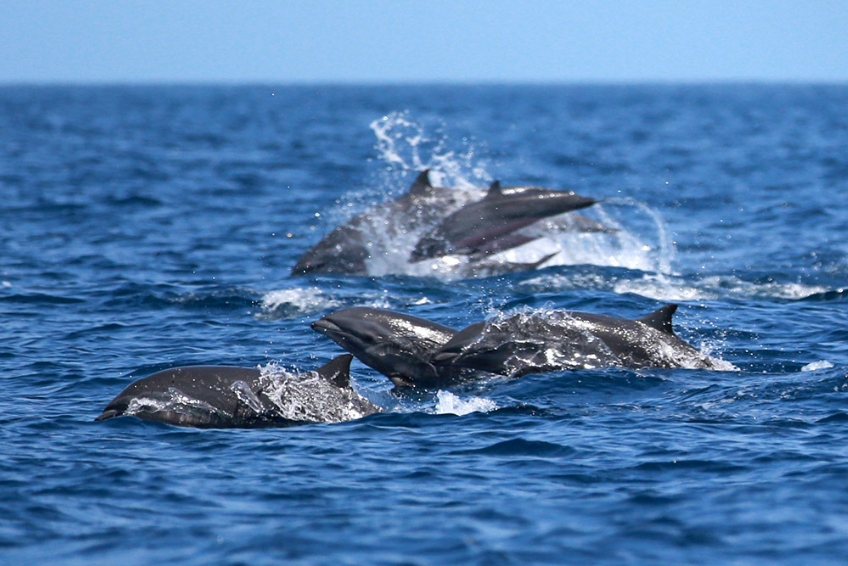
Fraser’s dolphins and other tropical species create some of the most exciting wildlife viewing opportunities, often approaching boats in large schools that can number in the hundreds. These playful marine mammals frequently bow-ride alongside vessels, providing close-up viewing opportunities and spectacular photography moments as they leap and play in the boat’s wake. Join an expert-led dolphin watching tour to experience these incredible encounters with knowledgeable crews who maximize your viewing opportunities.
Experienced crews understand dolphin behavior and position vessels to maximize viewing opportunities while respecting marine mammal protection guidelines that ensure sustainable wildlife tourism. The protected waters around St. Lucia create ideal conditions for extended observations as dolphin pods feed, socialize, and engage in aerial displays.
Professional Wildlife Viewing
Professional whale watching tours employ experienced captains who understand marine mammal behavior patterns, seasonal movements, and optimal viewing locations based on current conditions. Crews maintain communication with other vessels and use hydrophones to detect whale vocalizations, increasing success rates for locating these magnificent creatures in the vast Caribbean waters.
Modern vessels feature elevated viewing platforms, shade areas, and stable designs that minimize seasickness while maximizing viewing opportunities for all passengers. Professional naturalist guides provide educational commentary about marine mammal biology, conservation efforts, and the ecological importance of Caribbean whale and dolphin populations.
Seasonal Patterns and Best Viewing Times
While marine mammals can be encountered year-round, seasonal patterns affect success rates and species diversity. January through March represents peak season for humpback whale migration through Caribbean waters, while resident sperm whale and pilot whale populations provide excellent viewing opportunities throughout the year.
Morning departures typically offer the best viewing conditions when seas are calmer and marine mammal activity peaks during feeding periods. Weather plays a crucial role in both animal behavior and viewing quality, with calm conditions allowing better observation of subtle surface activity that indicates whale and dolphin presence.
Conservation Education and Research
Professional whale watching tours emphasize conservation education, explaining threats facing marine mammal populations, including ship strikes, fishing gear entanglement, and ocean pollution. Many operators support local research efforts by collecting sighting data and photographs that contribute to long-term studies of Caribbean cetacean populations.
Guests learn about marine mammal protection laws, sustainable tourism practices, and individual actions that support ocean conservation. The educational component transforms wildlife viewing from passive entertainment into meaningful encounters that promote environmental awareness and conservation support.
Combination Tours and Additional Activities
Many whale watching tours combine marine mammal viewing with snorkeling, coastal sightseeing, and beach visits to create comprehensive ocean experiences. Full-day combinations might include stops at the Pitons, snorkeling at coral reefs, and lunch at scenic coastal locations, maximizing value while providing diverse Caribbean experiences.
Sunset whale watching tours offer romantic alternatives with spectacular lighting conditions and the possibility of encountering nocturnal marine mammal activity. Premium beverage service and smaller group sizes on sunset tours create intimate wildlife viewing experiences ideal for special occasions.
Photography and Viewing Tips
Marine mammal photography requires patience and preparation, as animals surface unpredictably and viewing opportunities may be brief. Telephoto lenses provide the best results for capturing detailed images without disturbing wildlife, while waterproof cameras protect equipment from ocean spray and splashing.
Experienced whale watchers recommend focusing on observation rather than photography during initial encounters, as the most memorable experiences often occur when guests remain fully present during these magical wildlife moments. Professional crews announce sightings and help position passengers for optimal viewing angles while maintaining safe distances from marine mammals.
Weather and Sea Conditions
Calm sea conditions significantly improve both viewing opportunities and passenger comfort, making weather monitoring crucial for successful whale watching experiences. Trade winds typically develop during afternoon hours, creating choppy conditions that make wildlife spotting more challenging and increase seasickness risks for sensitive passengers.
Professional operators monitor weather forecasts and sea conditions to optimize departure times and route selections, while modern vessels equipped with stabilization systems minimize motion sickness even during less favorable conditions. Passengers prone to seasickness should consider morning departures and bring appropriate remedies regardless of predicted conditions.
Island Life Tips: We recommend booking tours with operators who emphasize education and conservation rather than simply promising animal encounters, as these professionals typically achieve better success rates through superior knowledge of marine mammal behavior. Choose morning departures for calmer seas and bring telephoto cameras or binoculars for optimal viewing experiences. Dress in layers as offshore conditions can be cooler than coastal areas, and consider motion sickness remedies even if you don’t typically experience seasickness. Most importantly, remain patient and flexible, as the best wildlife encounters often occur when conditions and timing align perfectly with natural animal behavior patterns.
click to see more images
6. Scuba Diving: Underwater Volcanic Landscapes and Pristine Coral Reefs
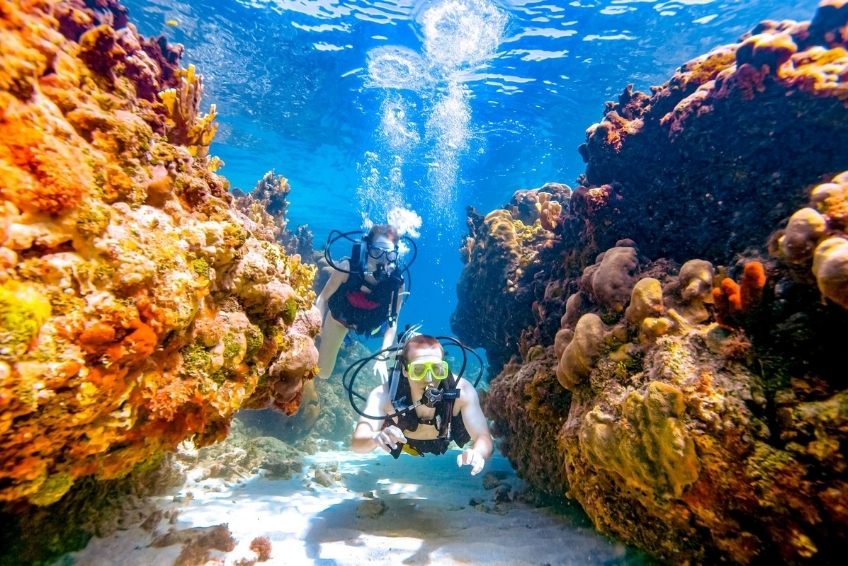
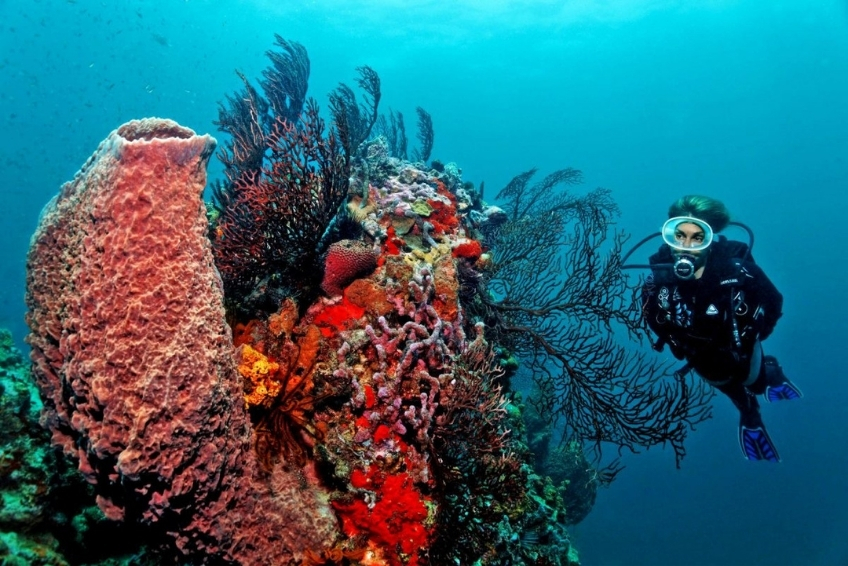
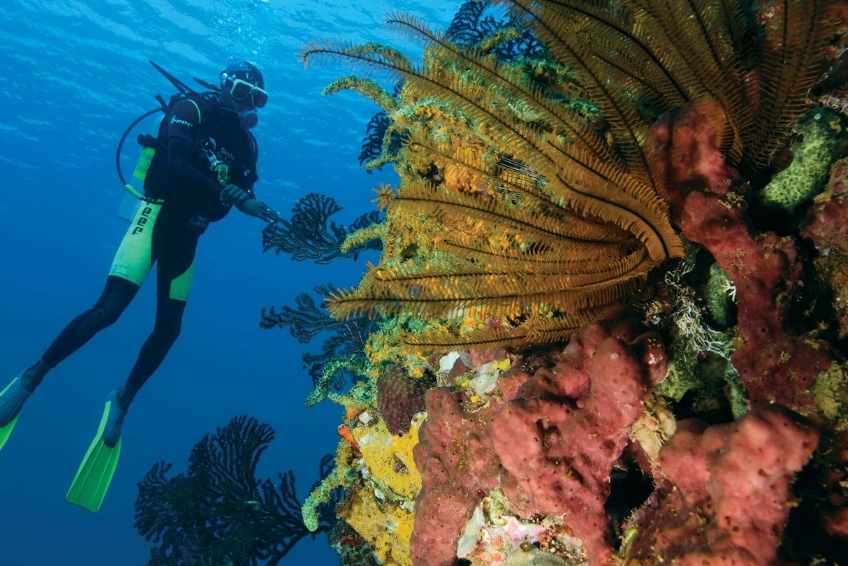
St. Lucia’s scuba diving showcases dramatic underwater volcanic landscapes where steep walls plunge into deep Caribbean waters, coral-encrusted pinnacles rise from the abyss, and diverse marine ecosystems thrive in the protection of marine sanctuaries. The island’s volcanic origins create unique underwater topography, including wall dives, wreck sites, and colorful reef systems that rank among the Caribbean’s most spectacular diving destinations. Our choice for underwater adventure combines accessibility for beginners with challenging sites that satisfy experienced divers seeking world-class Caribbean diving.
Details at a Glance:
- Depth ranges: Shallow reefs (15-30 feet) to advanced wall dives (100+ feet)
- Current pricing: Two-tank dives from $80-120 USD, certification courses from $350-500 USD
- Dive sites: Around 25 established sites along the western coast, including wreck and wall dives
- Water temperature: 79-85°F year-round, light wetsuit recommended for extended diving
- Visibility: Often exceeds 100 feet and can reach over 200 feet during optimal conditions
- Certification levels: Beginner-friendly sites to advanced technical diving opportunities
- Marine life: Hawksbill turtles, nurse sharks, eagle rays, angelfish, parrotfish, barrel sponges
- Best diving season: December-May (dry season) for optimal visibility and calmer conditions
Signature Dive Sites
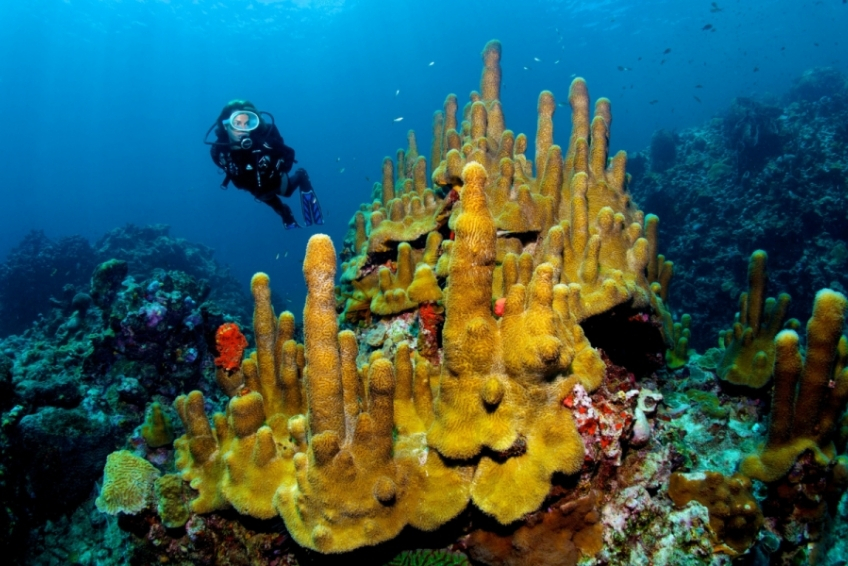
Superman’s Flight represents St. Lucia’s most famous dive site, where scenes from Superman II were filmed along the dramatic wall at the base of Petit Piton. This wall dive descends more than 1,000 feet with strong currents that create ideal conditions for drift diving among fluorescent sponges, gorgonian fans, and bright soft corals. The site challenges intermediate and advanced divers with spectacular deep-water encounters and schooling pelagic fish.
Fairyland near Anse Chastanet earned its name from a local diving instructor who recognized the magical quality of this lush underwater garden beneath the dramatic cliff faces of West Point. The kaleidoscopic colors throughout the rocky landscape create an enchanting environment where divers descend through layers of coral formations and sponge gardens.
Wreck Diving Adventures
The Daini Koyomaru wreck, scuttled in 1996, lies at around 108 feet (33 meters) and offers advanced wreck diving for experienced divers who can safely penetrate the structure at depth to discover diverse marine species living inside. Common sightings include pufferfish, angelfish, barracuda, moray eels, and sea turtles that have made the wreck their artificial reef home.
The proximity to Anse Cochon allows experienced divers to explore multiple wreck sites during single diving sessions, while the nearby Lesleen M wreck provides more accessible options for beginning wreck divers. These artificial reefs demonstrate how human structures can enhance marine ecosystems when properly prepared and positioned.
Marine Life Encounters
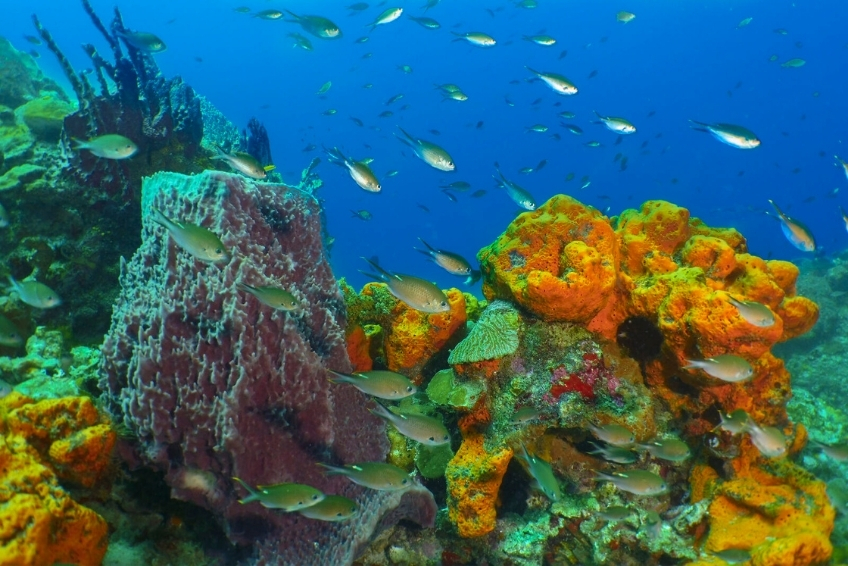
St. Lucia’s coral reefs support healthy populations of large marine life, including hawksbill sea turtles, spotted eagle rays, and occasional Caribbean reef sharks that patrol deeper waters. The volcanic substrate supports unique sponge communities with massive barrel sponges and colorful soft corals that create spectacular underwater photography opportunities.
Underwater walls and pinnacles attract schooling fish such as horse-eye jacks, Creole wrasse, and various grunt species that form impressive aggregations during feeding periods. Night diving reveals different marine communities like lobsters, crabs, and nocturnal fish species that remain hidden during daylight hours.
Professional Dive Operations
St. Lucia’s dive industry includes operations with decades of experience, professional instruction credentials, and intimate knowledge of local dive sites that maximize underwater encounters while ensuring safety. Experienced dive masters like Charlie and Alvin receive consistent praise for their ability to locate marine life, provide underwater guidance, and create memorable experiences for divers of all skill levels.
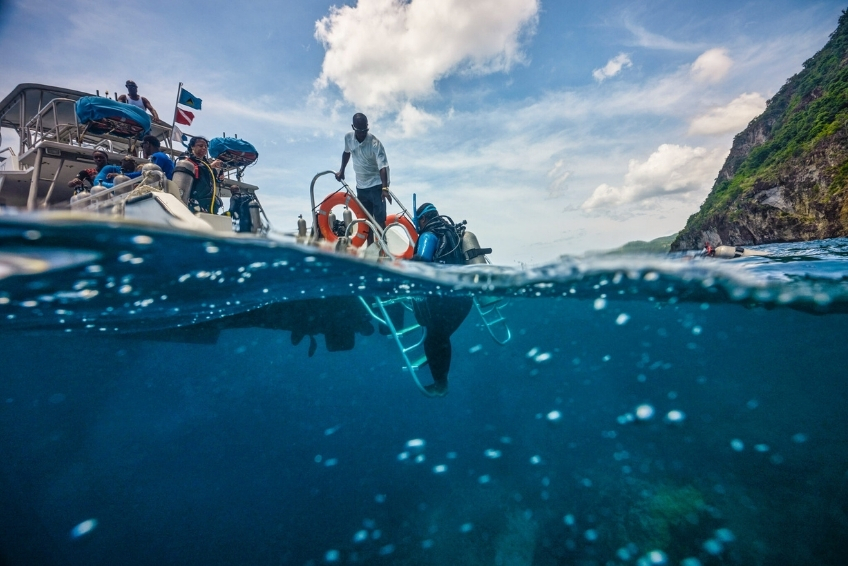
Modern dive boats feature current safety equipment, comfortable passenger areas, and fresh water rinse stations, while crews monitor weather and current conditions to select optimal dive sites for existing conditions. Professional operations maintain gear to international standards and provide comprehensive safety briefings before each diving session.
Beginner-Friendly Opportunities
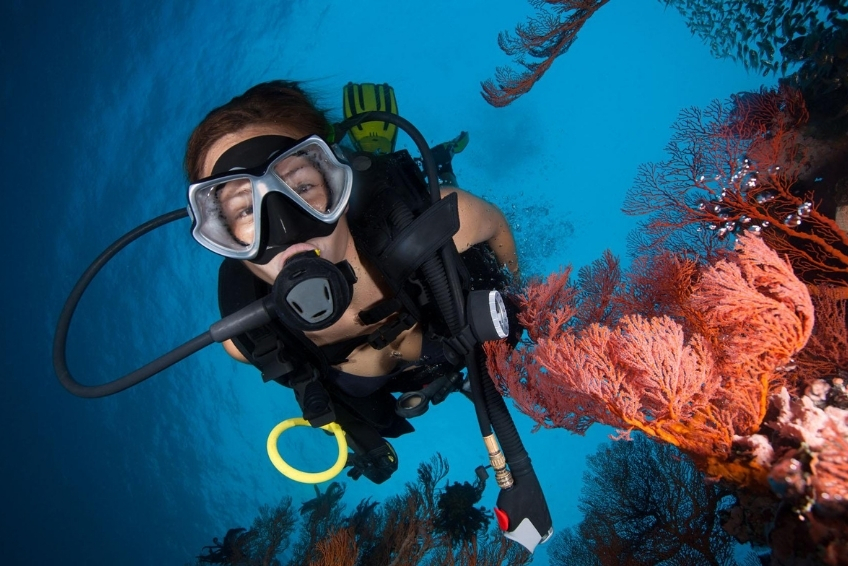
Discover Scuba programs allow non-certified individuals to experience underwater breathing in shallow, controlled environments before progressing to open water experiences. Professional instructors like Marcus provide patient, thorough instruction that ensures nervous beginners feel comfortable and safe during their initial underwater experiences.
Certification courses combine classroom education, confined water training, and open water dives that prepare students for independent diving while showcasing St. Lucia’s spectacular underwater environments. Many operations offer accelerated certification programs that allow visitors to complete training during typical vacation periods.
Advanced and Technical Diving
Experienced divers appreciate St. Lucia’s challenging wall dives, current-swept pinnacles, and deeper wreck sites that provide technical diving opportunities rarely available in Caribbean destinations. Advanced sites like Superman’s Flight and Devil’s Hole near Soufriere challenge experienced divers with strong currents, significant depths, and navigation requirements that test skills while rewarding expertise with exceptional marine encounters.
Nitrox diving extends bottom times for experienced divers exploring deeper sites, while technical diving courses introduce advanced techniques for accessing the most challenging underwater locations around the island.
Underwater Photography
St. Lucia’s underwater volcanic landscapes and colorful marine life create exceptional photography opportunities, with dramatic topography providing natural frames for marine life images. The clear waters and abundant natural light support both wide-angle reef photography and macro imaging of smaller marine species.
Professional underwater photography instruction helps divers improve their imaging skills while learning techniques that minimize environmental impact on sensitive coral ecosystems. Underwater camera rentals provide access to professional equipment without the investment required for purchasing specialized gear.
Conservation and Marine Protection
The Soufriere Marine Management Area protects critical dive sites from fishing pressure and anchoring damage, ensuring healthy coral ecosystems and abundant marine life for future generations. Dive operators emphasize responsible diving practices, including proper buoyancy control, no-touch policies, and respect for marine life habitats.
Educational components of diving experiences explain coral reef ecology, marine conservation challenges, and individual actions that support healthy ocean ecosystems. Many operations participate in coral restoration projects and marine research that benefits local conservation efforts.
Diving Conditions and Seasonality
December through May provides optimal diving conditions with calmer seas, better visibility, and increased marine life activity during the Caribbean’s dry season. However, St. Lucia’s protected leeward coast allows diving throughout the year when weather conditions permit safe boat operations.
Water temperatures remain comfortable year-round, though light wetsuits provide thermal protection during extended diving sessions or for divers sensitive to cooler temperatures. Current patterns and visibility can vary seasonally, making local knowledge crucial for selecting optimal dive sites.
Island Life Tips: We recommend choosing dive operations with established reputations, current safety certifications, and experienced local dive masters who know St. Lucia’s underwater terrain intimately. Book morning dives for calmer conditions and better visibility before afternoon trade winds develop. Nitrox certification extends bottom times for deeper wall dives and wreck exploration. Most importantly, practice responsible diving by maintaining proper buoyancy, avoiding contact with coral formations, and respecting marine life encounters that make St. Lucia’s underwater world so special.
click to see more images
7. Stand-Up Paddleboarding and Water Sports: Active Adventures in Protected Bays
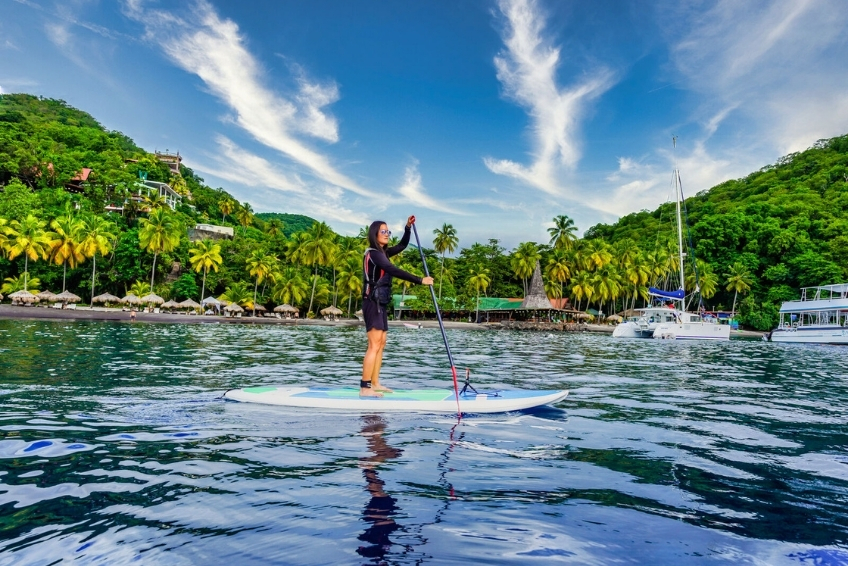
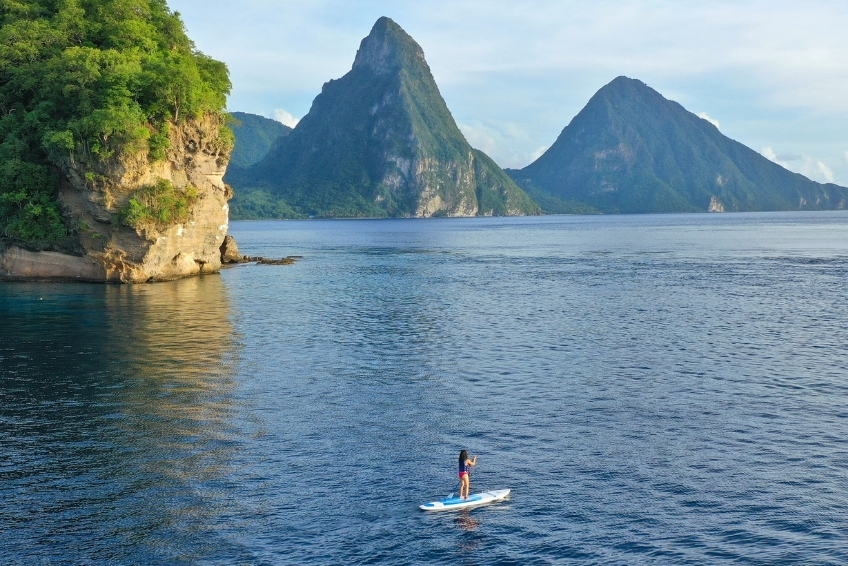
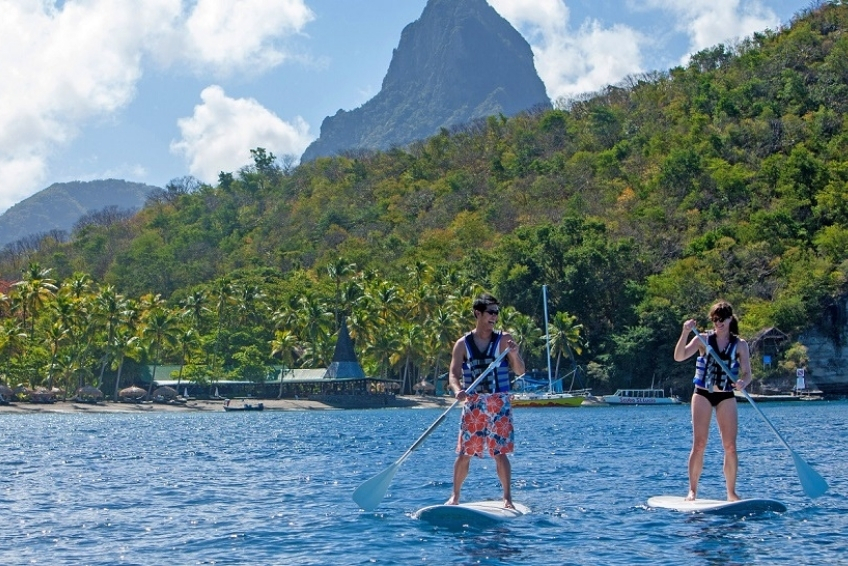
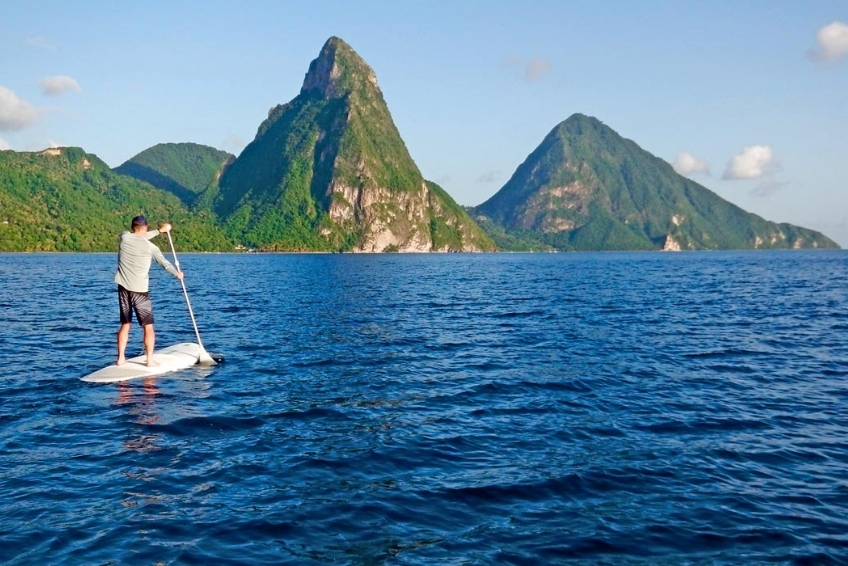
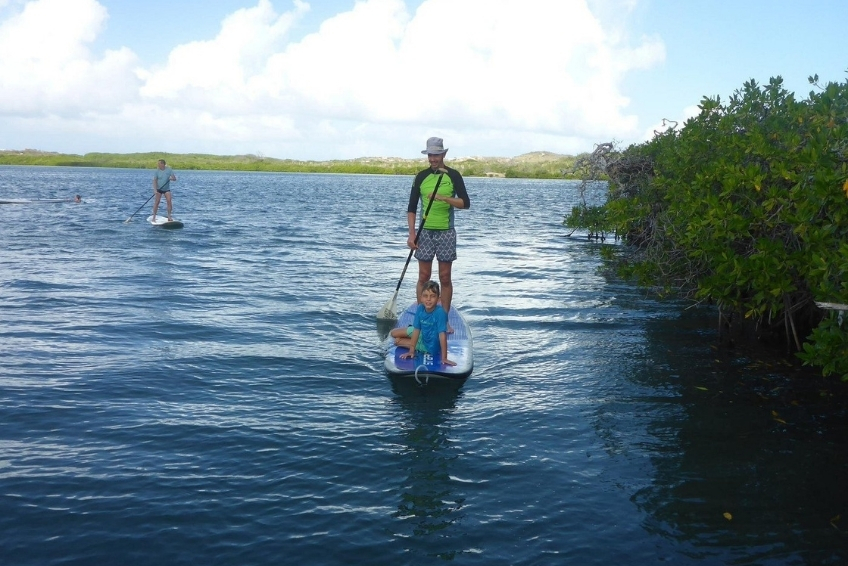
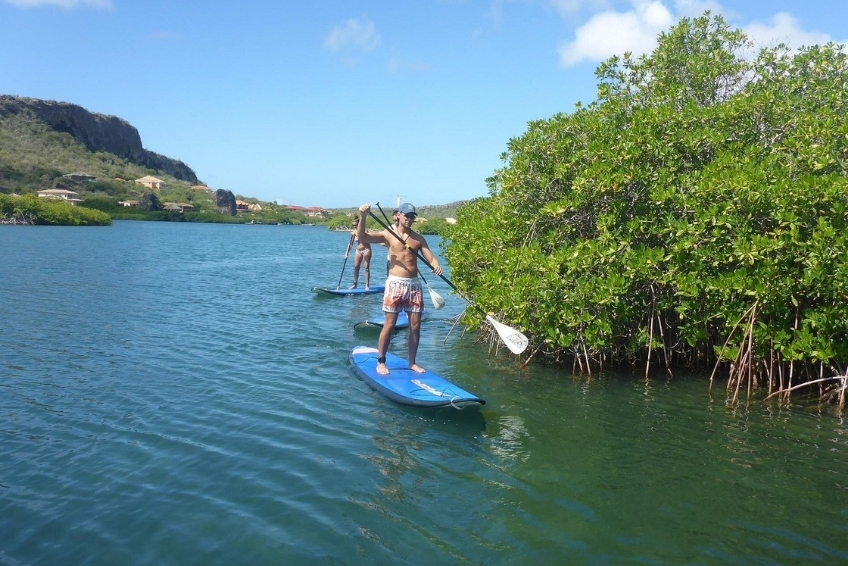
Stand-up paddleboarding (SUP) and other paddle-powered water sports provide peaceful yet active ways to explore St. Lucia’s scenic coastline, where protected bays and calm lagoons create ideal conditions for beginners while offering scenic beauty that satisfies experienced paddlers. The combination of year-round warm waters, stunning volcanic scenery, and diverse marine ecosystems makes SUP our choice for visitors seeking independent water exploration at their own pace. This accessible activity requires minimal experience while providing excellent exercise and unique perspectives on St. Lucia’s coastal beauty.
Details at a Glance:
- Rental pricing: Varies by operator and location; check with local providers for current rates
- Best locations: Marigot Bay, Rodney Bay Lagoon, Castries Harbor, resort house reefs
- Equipment included: Paddle board, adjustable paddle, leash, basic instruction
- Age suitability: 8+ years with swimming ability, family-friendly activity
- Physical requirements: Basic balance and swimming skills, no previous experience necessary
- Duration: 1-3 hours for typical rental periods, guided tours 2-4 hours
- Best conditions: Early morning (7:00-9:00 AM) for calm waters and cooler temperatures
- Combination options: SUP tours with snorkeling, yoga classes, sunset paddling
Ideal Paddling Locations
Marigot Bay represents St. Lucia’s premier SUP destination, where the protected harbor provides calm conditions perfect for beginners while offering spectacular scenery that includes luxury yachts, lush hillsides, and traditional Caribbean architecture. The bay’s designation as a hurricane hole ensures naturally calm conditions that make paddling comfortable even for nervous beginners.
Rodney Bay Lagoon offers another excellent SUP location with extensive calm water areas, multiple launch points, and the added attraction of Pigeon Island’s historic sites visible from the water. The lagoon’s size allows for extended paddling sessions without venturing into open ocean conditions, while resort areas provide convenient equipment rental and storage facilities.
Resort-Based Water Sports
Major resorts including Windjammer Landing and Sugar Beach provide complimentary access to SUP equipment for guests, along with other non-motorized water sports such as kayaks, Hobie Cats, and windsurfing equipment. All-inclusive properties often include water sports instruction and unlimited equipment access, making these activities particularly attractive for resort guests seeking variety in their water experiences.
Professional instruction ensures safe enjoyment of all water sports equipment, while equipment quality and maintenance meet resort standards for guest safety and satisfaction. Seasoned professionals provide tailored lessons for both children and adults, ensuring exceptional experiences whether guests are novices or experienced enthusiasts.
SUP Touring and Exploration
Guided SUP tours combine paddling instruction with coastal exploration, cultural education, and wildlife viewing opportunities that maximize the value of paddleboarding experiences. Tours often include visits to secluded beaches, snorkeling stops, and cultural sites that showcase different aspects of St. Lucian coastal life.
The elevated perspective from standing on paddle boards provides unique viewing angles for photography and wildlife observation, while the quiet nature of paddle-powered water sports minimizes disturbance to marine life and coastal bird populations. Experienced guides share local knowledge about coastal ecology, traditional fishing practices, and historical sites visible from the water.
SUP Yoga and Fitness Classes
SUP yoga combines paddleboarding with yoga practice, creating challenging workouts that engage core muscles while providing peaceful water-based meditation experiences. The flat water conditions and beautiful scenery in locations like Marigot Bay create ideal environments for SUP yoga classes that attract fitness enthusiasts and yoga practitioners seeking unique experiences.
Professional SUP yoga instructors modify traditional poses for water-based practice while ensuring safety through proper equipment and anchoring techniques. The instability of the water surface intensifies traditional yoga workouts while creating opportunities for increased mindfulness and connection with the marine environment.
Motorized Water Sports Options
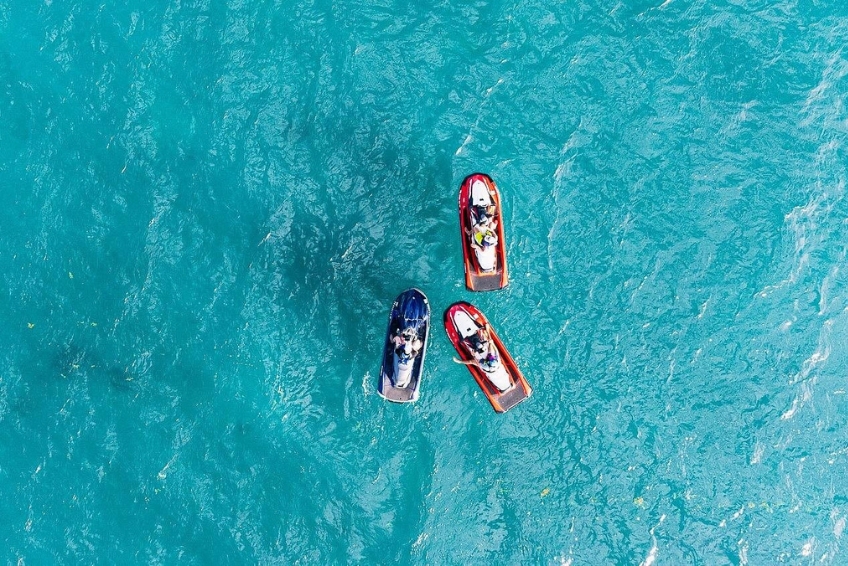
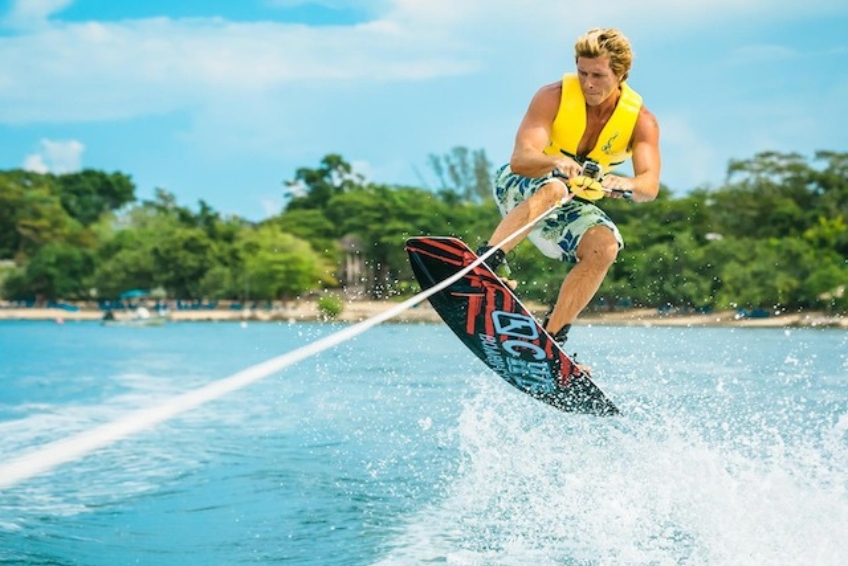
Motorized water sports like jet skiing, water skiing, wakeboarding, and kneeboarding provide higher-energy alternatives for visitors seeking adrenaline-pumping water activities. Professional jet ski tour operators like Velocity Powersports offer guided excursions that combine speed with sightseeing, showcasing locations like Pigeon Island and the majestic Piton mountains from unique water-level perspectives.
Modern jet ski equipment and professional instruction ensure safe experiences for both beginners and experienced riders, while guided tours prevent navigation challenges in unfamiliar waters. The combination of speed and scenery creates exciting experiences that complement the more peaceful pace of paddle-powered water sports.
Equipment Quality and Safety
Professional water sports operators maintain fleets of quality equipment, including various SUP board designs suitable for different skill levels and body types. Inflatable SUP boards provide stability and safety for beginners, while rigid boards offer better performance for experienced paddlers seeking speed and maneuverability.
Safety equipment like properly fitted life jackets, leashes, and emergency communication devices ensures safe water sports experiences. Professional operators provide comprehensive safety briefings and maintain contact with participants throughout rental periods or guided tours.
Fitness Benefits and Accessibility
Stand-up paddleboarding provides excellent full-body workouts that engage core muscles, improve balance, and provide cardiovascular exercise in beautiful natural settings. The low-impact nature makes SUP accessible to various fitness levels, while the ability to sit or kneel on boards accommodates participants with different comfort levels or physical limitations.
The ease of learning SUP attracts water enthusiasts of all types, with most beginners achieving basic competency within 15-30 minutes of instruction. The combination of physical activity, natural beauty, and mental relaxation creates comprehensive wellness experiences that appeal to health-conscious travelers.
Weather and Timing Considerations
Early morning paddling sessions offer optimal conditions with calm waters, cooler temperatures, and spectacular lighting for photography. Trade winds typically develop during mid-morning hours, creating choppier conditions that challenge beginners and make extended paddling more strenuous.
Sunset SUP sessions provide romantic alternatives with dramatic lighting conditions and the possibility of encountering marine life during their evening feeding periods. However, afternoon winds may create more challenging conditions that require better balance and paddling skills.
Environmental Education and Conservation
SUP tours often include environmental education components that explain coastal ecology, marine conservation challenges, and sustainable tourism practices. The quiet nature of paddle-powered activities allows for wildlife observation and photography without the noise and disturbance associated with motorized water sports.
Responsible SUP practices include respecting marine life habitats, avoiding contact with coral reefs, and using reef-safe sunscreen to protect coastal ecosystems. Many operators emphasize leave-no-trace principles and participate in coastal cleanup efforts that protect the marine environments that make water sports so enjoyable.
Island Life Tips: We recommend starting with shorter rental periods (1-2 hours) to assess comfort levels and physical demands before committing to extended paddling sessions. Early morning launches provide the calmest conditions and best wildlife viewing opportunities before afternoon winds develop. Waterproof phone cases protect devices while allowing photography and emergency communication. Choose operators that emphasize safety instruction and provide quality equipment rather than focusing solely on the lowest prices. Most importantly, respect marine environments by avoiding contact with coral reefs and wildlife while enjoying these peaceful water activities that showcase St. Lucia’s natural beauty.
Essential Planning Guide for St. Lucia's Water Activities
Current Pricing and Budget Planning
St. Lucia’s water activity costs vary significantly based on duration, group size, and included amenities. Current verified pricing includes: catamaran sunset cruises from $75 USD per person; full-day catamaran tours $145 USD per person; kayaking tours $65-95 USD per person; and whale-watching cruises $65-110 USD per person. Half-day fishing charters typically cost around $120 USD per person, while full-day experiences reach $200 USD per person.
Transportation costs can add substantially to activity expenses, particularly for guests staying in southern locations like Vieux Fort or Soufriere. Group discounts typically begin at 4-6 participants and can provide 10-15% savings on private charters and specialized tours.
Consider purchasing resort packages or all-inclusive plans that include water sports equipment and instruction, as these often provide better value than individual activity pricing. However, compare inclusions carefully, as resort-based activities may limit access to premium dive sites and specialized tours available through independent operators.
Weather Patterns and Optimal Timing
December through May represents the optimal period for most water activities, with calmer seas, better visibility for underwater activities, and consistent trade winds that moderate tropical temperatures. This dry season coincides with peak tourist demand, requiring advance bookings and premium pricing for most activities.
Morning departures typically offer superior conditions with calmer waters, better marine life activity, and cooler temperatures before afternoon trade winds develop. Most professional operators schedule departures between 8:00 and 9:00 AM to maximize optimal weather windows and avoid cruise ship crowds that peak between 10:00 AM and 2:00 PM.
Hurricane season from June through November creates potential weather disruptions but also offers significant cost savings and fewer crowds. Only one hurricane has directly affected St. Lucia in the past 37 years (Hurricane Tomas in 2010). While subsequent storms like Hurricane Maria (2017) passed north with minimal impact, occasional storms such as Hurricane Matthew (2016) can bring heavy rain and minor flooding. Many activities operate normally unless severe weather threatens, providing opportunities for budget-conscious travelers willing to accept some weather risk.
Safety Considerations and Preparation
Professional water sports operators maintain current safety certifications, emergency communication equipment, and experienced crews trained in marine rescue techniques. However, standard travel insurance often excludes water sports activities, making specialized coverage essential for adventure-focused trips.
Swimming ability requirements vary by activity, with most operators requiring basic competency and comfort in water. Life jackets and flotation devices are provided for all water activities, but personal comfort levels significantly impact the enjoyment of various experiences.
Medical facilities in St. Lucia handle routine injuries adequately, but serious trauma cases often require evacuation to Martinique or Puerto Rico. This reality emphasizes the importance of choosing reputable operators with proper safety protocols and avoiding unnecessary risks for social media or personal challenge purposes.
Equipment and Gear Recommendations
Quality snorkeling masks significantly impact underwater experiences, with many experienced snorkelers recommending personal mask purchases for proper fit and hygiene. Prescription masks are available for guests requiring vision correction, while fins and snorkels can typically be rented satisfactorily from local operators.
Reef-safe sunscreen protects both participants and coral ecosystems from harmful chemicals that damage marine environments. Waterproof phone cases and cameras capture memories while protecting expensive electronics from saltwater damage.
Quick-dry clothing and rashguards provide sun protection while remaining comfortable when wet. Storage capacity on boats and kayaks is limited, so pack only essential items in waterproof containers. Insect repellent becomes necessary for mangrove kayaking and coastal activities where biting insects may be present.
Marine Life and Conservation Awareness
St. Lucia’s marine sanctuaries and protected areas ensure healthy ecosystems that support diverse marine life populations, making responsible tourism practices essential for long-term sustainability. Touching coral reefs, feeding marine life, and disturbing nesting areas can cause permanent damage to fragile ecosystems.
Marine mammal protection laws require specific distances from whales and dolphins, while proper wildlife viewing practices ensure animal welfare and sustainable tourism opportunities. Choose operators who emphasize education and conservation rather than simply promising close animal encounters.
Sustainable tourism supports local communities while protecting the natural resources that make St. Lucia’s water activities so spectacular. Look for operators who employ local guides, support conservation efforts, and follow established environmental guidelines.
Transportation and Logistics
Some water activities require specific departure points that add logistical complexity to planning. Most tour operators provide transportation from major resort areas, though pickup zones and additional fees should be confirmed when booking.
Rental cars provide maximum flexibility for reaching various departure points, but parking availability varies significantly by location. Traffic congestion in tourist areas can affect arrival times, particularly during cruise ship days when temporary crowds strain transportation infrastructure. Allow extra time for transfers and confirm pickup details with operators before departure dates.
Health and Physical Preparation
Water activities require varying levels of physical fitness, from light paddling for 30 minutes to sustained swimming and strenuous fishing for extended periods. Honest assessment of personal fitness levels prevents overcommitment to activities that may exceed comfortable exertion levels.
Seasickness affects some people during boat-based activities even in protected Caribbean waters. Motion sickness remedies and preventive measures should be considered regardless of personal history, as fighting large fish or extended time on smaller vessels can trigger symptoms in unexpected situations.
Hydration and sun protection become critically important during extended water activities where reflection intensifies UV exposure and tropical heat can lead to rapid dehydration. Bring significantly more water than initially estimated, as salt air and physical activity increase fluid requirements.
Cultural Sensitivity and Local Interaction
Water activities often include interactions with local communities, fishing families, and traditional Caribbean culture that enhance experiences beyond simple recreation. Respectful engagement with local guides and communities supports sustainable tourism while providing authentic cultural exchanges.
Tipping practices vary by activity and operator, but generous gratuities for excellent service support local families who depend on tourism income. Cash tips are preferred, as credit card processing may not benefit guides directly.
Photography etiquette becomes important when visiting fishing communities or cultural sites, with permission required for images of people or private property. Respectful behavior and genuine interest in local culture create positive interactions that benefit both visitors and communities.
Making the Most of Your Water Adventures
St. Lucia’s water activities offer genuine opportunities to explore one of the Caribbean’s most diverse marine environments while supporting local communities and conservation efforts. The island’s unique geography creates protected waters, dramatic underwater landscapes, and abundant marine life within relatively compact areas accessible to visitors with varying experience levels.
Success requires matching activities to personal interests, fitness levels, and comfort zones while maintaining realistic expectations about weather, wildlife, and physical demands. The most memorable experiences often result from flexibility, patience, and willingness to embrace unexpected opportunities that arise during water adventures.
Whether you’re seeking adrenaline-pumping deep-sea fishing, peaceful mangrove kayaking, or spectacular sunset sailing, each activity offers unique insights into St. Lucia’s marine heritage and natural beauty. By choosing reputable operators, preparing adequately, and respecting the marine environments that make these experiences possible, you’ll create lasting memories while supporting the conservation efforts that ensure these adventures remain available for future generations.
More
CARIBBEAN
Islands, Beaches, Cuisine and More

St. Lucia Visitors Guide
Nestled in the Lower Antilles is the beautiful green Caribbean island of St. Lucia. Famous for its towering Pitons, St. Lucia is home to jungles, pristine beaches, endless activities and more. Here is our guide to the best of St. Lucia.

St. Lucia Hotel Guide
St. Lucia is a picture perfect island in the northern Caribbean. With towering green Pitons, white sand beaches and turquoise water, there's something for everyone. Here are some of the best hotels on St. Lucia.
St. Lucia Restaurant Guide
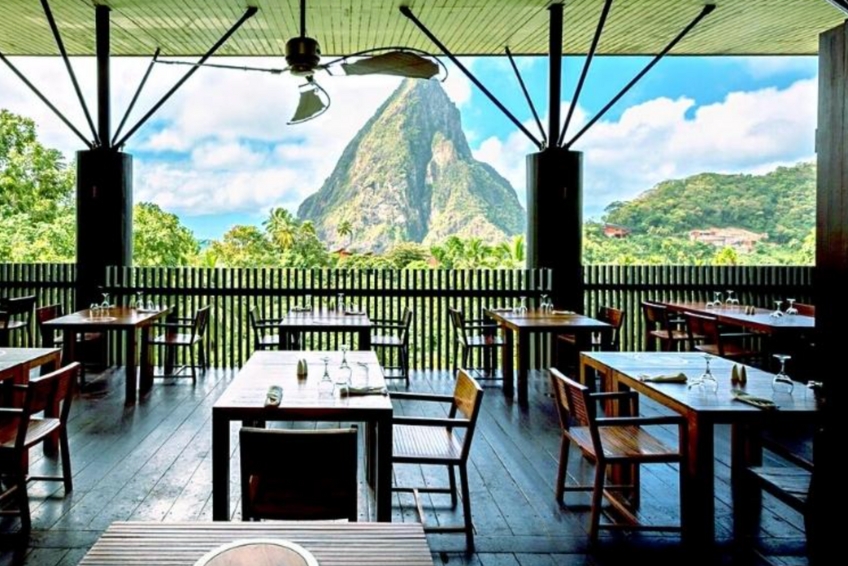
St. Lucia has a wide variety of restaurant and cuisine options available. From Castries to Soufriere, visitors can sample international cuisine as well as local dishes and fresh seafood aplenty. Here is our guide to the best restaurants in St. Lucia.

Caribbean Vacation Packing List
Packing for beach vacations shouldn’t be hard, so we’ve put together a unique beach vacation packing list to help and included some of our favorite items. From clothes to electronics and everything in between, we've got all the tips to make packing a breeze.

The Best Antigua All Inclusive Resorts
Whether you’re searching for family relaxation or some romance, each of these all-inclusive resorts in Antigua will deliver, with a dash of Caribbean luxury, and the perfect setting for your dream tropical vacation.

Aruba All Inclusive Resorts Guide
Aruba has a wide selection of excellent all inclusive resorts including 5-star luxury, family friendly, adults only and budget friendly options. Here is our guide to the best Aruba all inclusive resorts!

The Best Bahamas All Inclusive Resorts
The Bahamas has everything you could desire for a perfect tropical getaway; a warm climate, sparkling blue waters and friendly locals. Here are the best all-inclusive resorts in the Bahamas that you should definitely look into.

The Best Cayman Islands All Inclusive Resorts
Welcome to the ultimate guide to Cayman Islands all inclusive resorts! Whether you’re looking for a family-friendly resort or a romantic adults-only retreat, we’ve got you covered with this list of the best all inclusive resorts in the Cayman Islands.

The Best Dominican Republic All Inclusive Resorts
The Dominican Republic is known for its picturesque beaches, lush jungles, rich cultural heritage and friendly locals. Here is our list of the best Dominican Republic all inclusive resorts to make your visit to the Dominican Republic incredible.

The Best Jamaica All Inclusive Resorts
Welcome to the ultimate guide to Jamaica all inclusive resorts! Whether you’re looking for a family-friendly resort or a romantic adults-only retreat, we’ve got you covered with this list of the best all inclusive resorts in Jamaica!

The Best Puerto Rico All Inclusive Resorts
Are you ready for that Puerto Rico getaway? This guide to the best all inclusive resorts in Puerto Rico will help you to choose the perfect resort for your relaxation escape.

The Best St. Barts All Inclusive Resorts
St. Bart’s offers a refined and intimate atmosphere for a bevy of high-class travelers, including many celebrities. We’ve compiled the top six resorts in St. Bart’s for various budget types that you should check out.